
TOP TIP
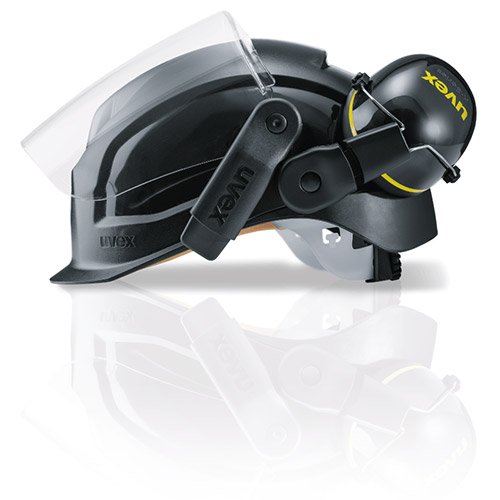
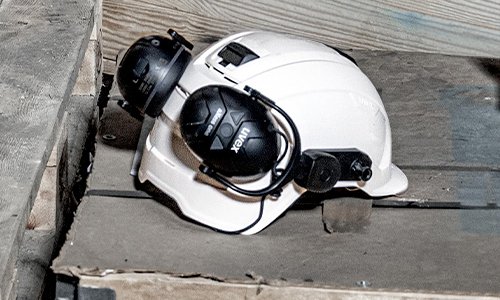
People often forget about proper storage. Be sure to not leave your helmet out in the sun or on a parcel shelf of a vehicle in the sun. Place your helmet somewhere cool and dry out of sunlight.
How do I know if my helmet is still safe?
Helmets can degrade without showing obvious signs. Therefore, before each use, it is important to check for:
Cracks or dents in the shell
Faded or discoloured areas (UV damage)
Brittle or chalky texture
Loose or damaged suspension system
Missing or unreadable markings
If any of these signs are present, replace the helmet immediately. Continuing to use a compromised helmet can significantly increase the risk of injury in the event of an accident. A helmet that no longer meets safety standards may fail to absorb impact effectively, putting the wearer at serious risk.
TOP TIP
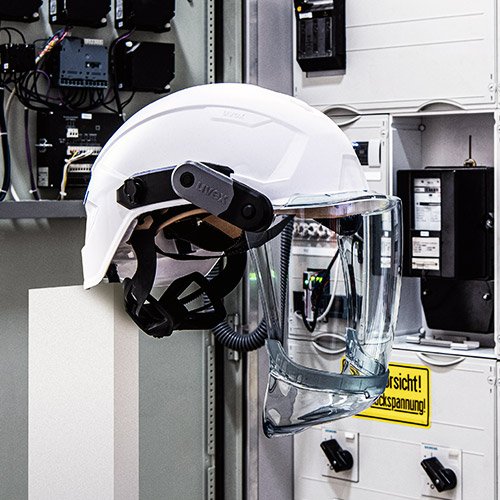
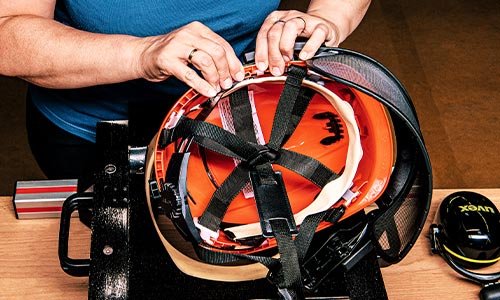
A more thorough inspection should be done monthly to ensure that there is no hidden damage, that could reduce the protection a helmet should provide.
Do safety helmets expire?
Yes, safety helmets do expire. Manufacturers typically include a manufacture date and a recommended replacement timeframe. These markings help users determine when a helmet should be retired from service. Even helmets that remain unused over time are still subject to degradation. This is due to the natural ageing of materials, which can lead to reduced flexibility, brittleness, and diminished impact resistance. Exposure to ambient conditions such as temperature fluctuations and humidity can also accelerate this process, making it essential to monitor helmet age regardless of usage.
For example, uvex helmets are recommended as 4 years in use and 8 years in storage from the date of manufacture, or sooner if signs of damage, wear, or impact are present. If a helmet experiences any form of impact, even if no visible damage is apparent, it should be replaced immediately to ensure continued protection.
How to check the expiry date of a safety helmet
Knowing how to check the expiry date of a safety helmet is essential. To know if a helmet is safe to use follow these steps:
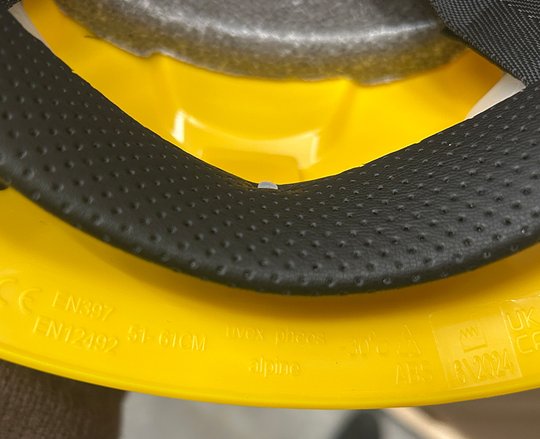
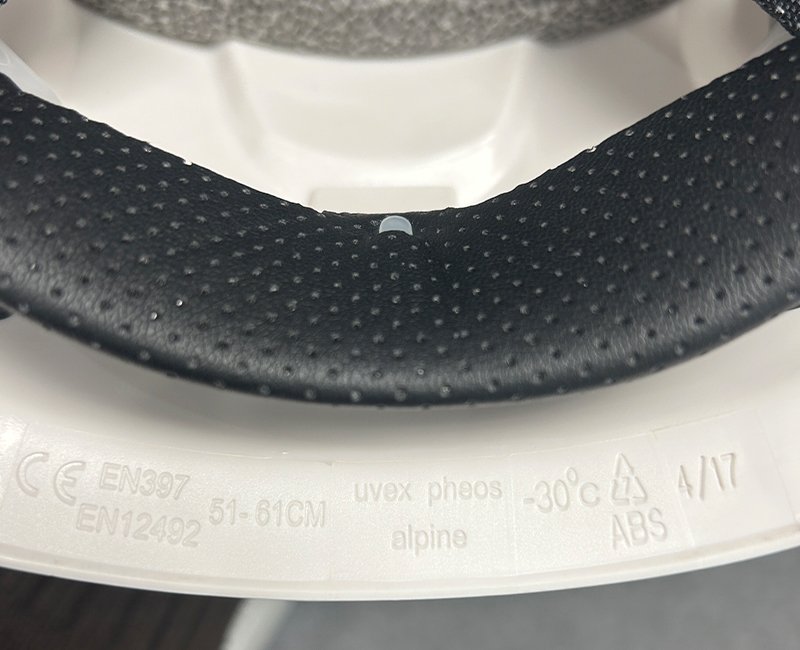
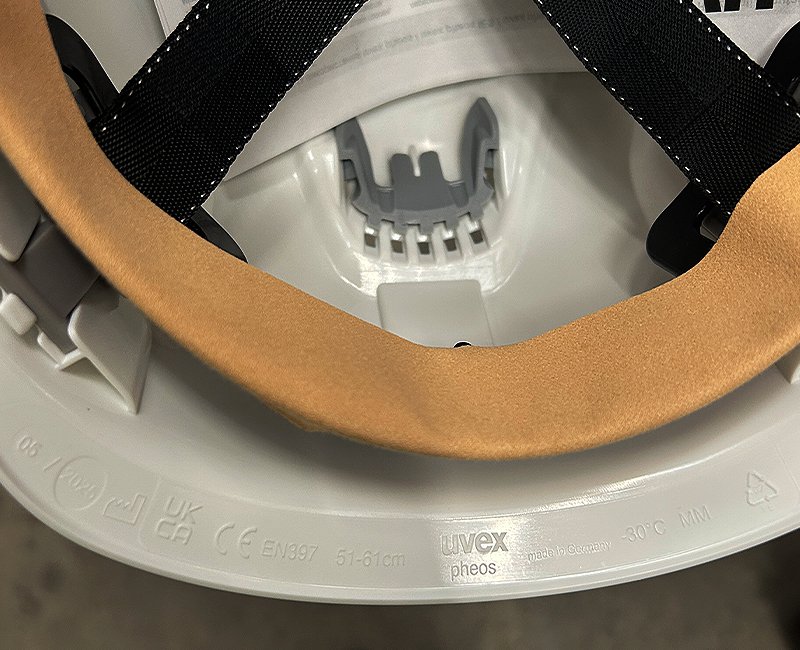
- Locate the manufacture date – Most helmets feature a raised circular marking moulded into the shell. The year is displayed inside the circle, and an arrow points to the month of manufacture. Other helmets may feature the manufacturer date in a MM/YYYY or M/YY format
- Verify certification markings – Check for standards such as EN 397 to confirm compliance.
If markings are missing or illegible, replace the helmet immediately. A helmet without clear traceability may not meet current safety standards, putting the wearer at risk.
When do you require a safety helmet?
Selecting the correct helmet depends on your work environment and the hazards you face. Here’s a quick reference guide to help you choose the right helmet:
| Task/environment | Recommended features | uvex helmets |
| Construction | Impact protection, chin strap | uvex pheos B-S-WR with chin strap |
| Electrical work | Non-conductive shell | uvex pheos E-S-WR |
| Industrial manufacturing | Ventilation, adjustable fit, sweatband | uvex pheos B-WR |
| Working at height | Secure fit, chin strap | uvex pheos pronamic alpine |
| Outdoor environments | UV-resistant shell, extended peak | uvex pheos B |
Comfort, fit, and compatibility with other PPE (e.g. visors, ear defenders) are also important considerations. At uvex, we offer a range of accessories specifically designed to integrate seamlessly with our helmets, ensuring optimal comfort and usability without compromising safety.
Where to buy safety helmets
You can explore uvex’s full range of certified safety helmets on our website. Alternatively, contact your regional uvex sales manager for tailored advice.
We offer solutions for construction, manufacturing, electrical work, and more, all designed with comfort, durability, and protection in mind.

Browse our range of safety helmets

Contact our team for expert advice
Conclusion
Understanding safety helmet expiry dates is essential for maintaining workplace safety and compliance. Here’s a quick recap:
- Helmets degrade over time, even without visible damage
- Check expiry dates and inspect regularly
- Replace helmets every 3–5 years, or sooner if damaged
- Choose the right helmet for your task and environment
FAQ's
To extend the life of your safety helmet, store it in a cool, dry place away from direct sunlight and chemicals. Clean it regularly with mild soap and water, avoiding harsh solvents.
No. Even minor impacts can compromise the integrity of the helmet. It should be replaced immediately, regardless of visible damage.
Yes. Accessories like visors or ear defenders should also be inspected regularly. Damaged or incompatible accessories can reduce overall protection.
It’s not recommended. Extreme temperatures and humidity can accelerate material degradation. Store helmets in a cool, dry place away from direct sunlight.
The manufacture date tells you when the helmet was made. The expiry date is based on this and indicates when the helmet should be replaced.
Customisation can affect the integrity of the shell and may void certification. Always check with the manufacturer.