

Fit
Proper fit
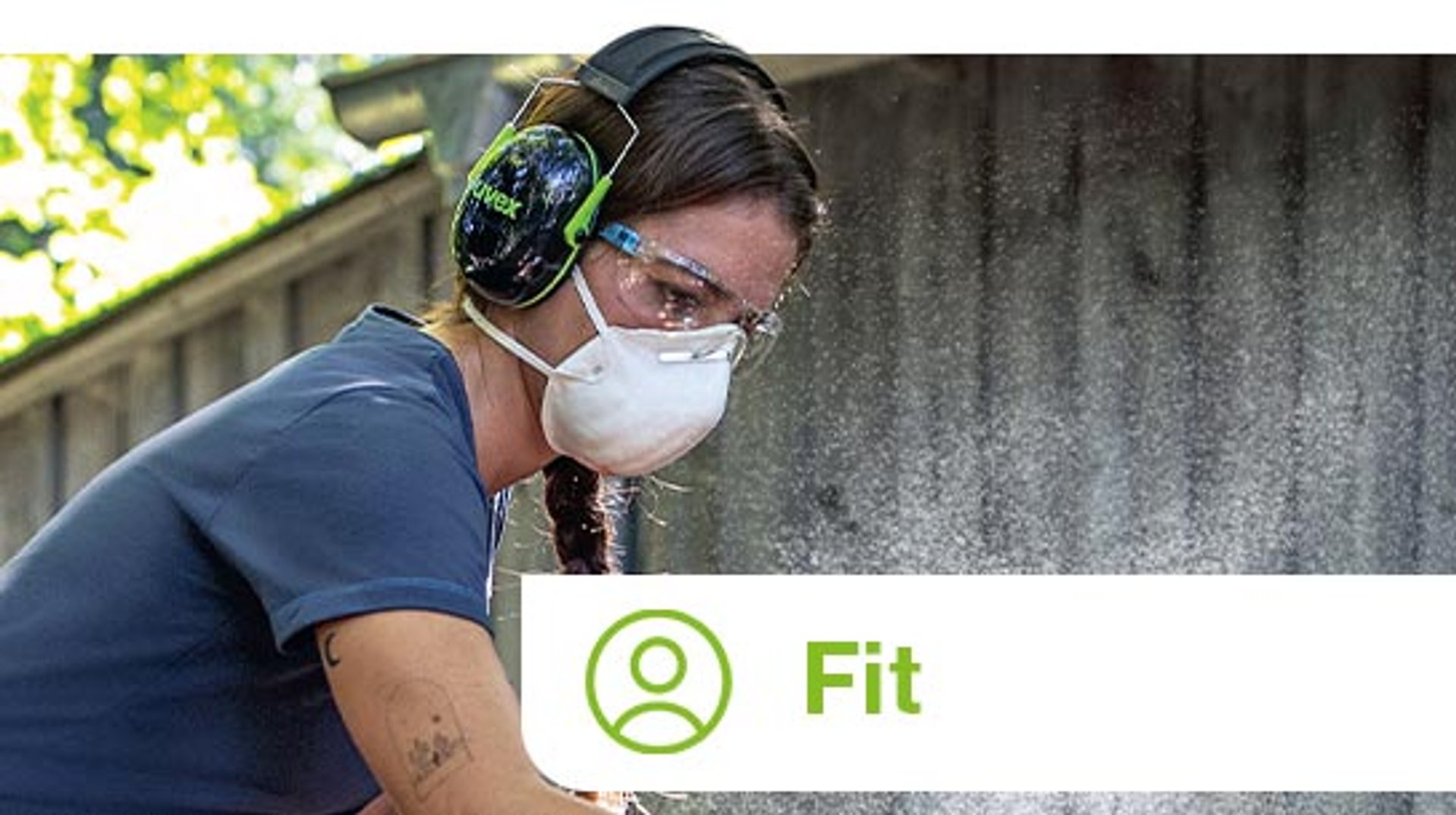
One size does not fit all. RPE is available in different sizes to ensure that the sealing surface of the respirator matches different facial features. Compatibility with other PPE also determines if a mask remains worn, helping to avoid accidents, reduce discomfort, and give wearers confidence.

Comfort
High comfort
One of the most important aspects of comfort when wearing a particle-filtering mask is breathing resistance, or the resistance that the wearer feels when breathing in and out. The higher the resistance, the harder the lungs have to work. It’s only when PPE fits well and is comfortable that it remains worn.

Performance
Product performance
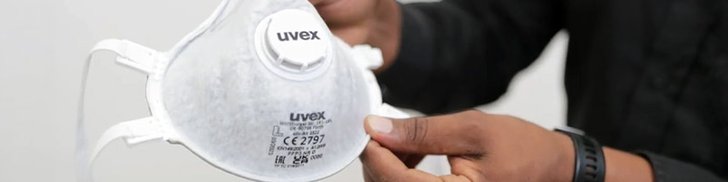
Particle-filtering face masks offer effective protection against dust, mist, fumes and microorganisms from the air flowing through them. uvex face masks can reliably filter particles and droplets from the air and comply with the European standard DIN EN 149.

Style
Modern style
Lightweight and nice-looking PPE that feels good is more likely to be worn. It is possible to have high-performing, comfortable, properly fitted PPE in a style and design that appeals to the wearer. As a result, the mask is more likely to be worn and employees will remain compliant and safe.

Properly fitting respiratory protection
In addition to fulfilling the required safety standards, premium details and tightly-nested accessories that work as a system can enhance comfort, versatility and compatibility with other PPE - helping to maximise compliance. Even the best mask can only offer limited protection if the instructions for the right fit and use are not observed. Our decades of experience in developing and producing personal protective equipment, across multiple product groups, allows uvex to combine expertise and deliver integrated design concepts that ensure the WEARABILITY and compatibility of our PPE. This is certainly true when it comes to combining eyewear and respiratory protection. The mask designs have been influenced by uvex safety eyewear to ensure they fit and work together to provide uncompromised protection levels and enhanced performance. Gender, ethnicity, build and many other factors mean that one size of facepiece will not fit everyone.
Perfect combination with eyewear
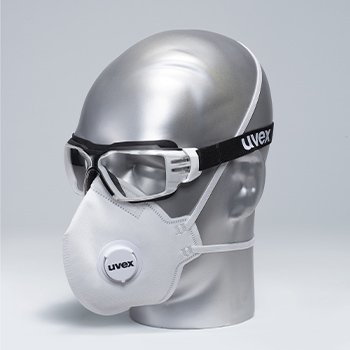
Our uvex silv-Air c mask designs have been influenced by our uvex safety eyewear to ensure they fit and work together to provide uncompromised protection levels and enhanced performance. Our development has also allowed us to design our RPE to achieve the best possible fit which in turn provides extremely high results when it comes to face fit testing.

Ergonomic design
uvex face masks can be flexibly adjusted and have been designed in combination with uvex 3D mask technology to ensure optimum ergonomics and a perfect sealed fit. The soft elastic headband can also be adjusted to meet the individual needs of the wearer.

Recommended RPE Fit Test Provider
Recent research suggests up to 50% of all RPE used does not offer the wearer the assumed level of protection, mainly from not fitting properly. Contact our trusted face fit testing partners across the UK for the provision of BSIF Accredited Fit2Fit Face Fit Testing and Respiratory Training.

Innovative features for comfortable protection
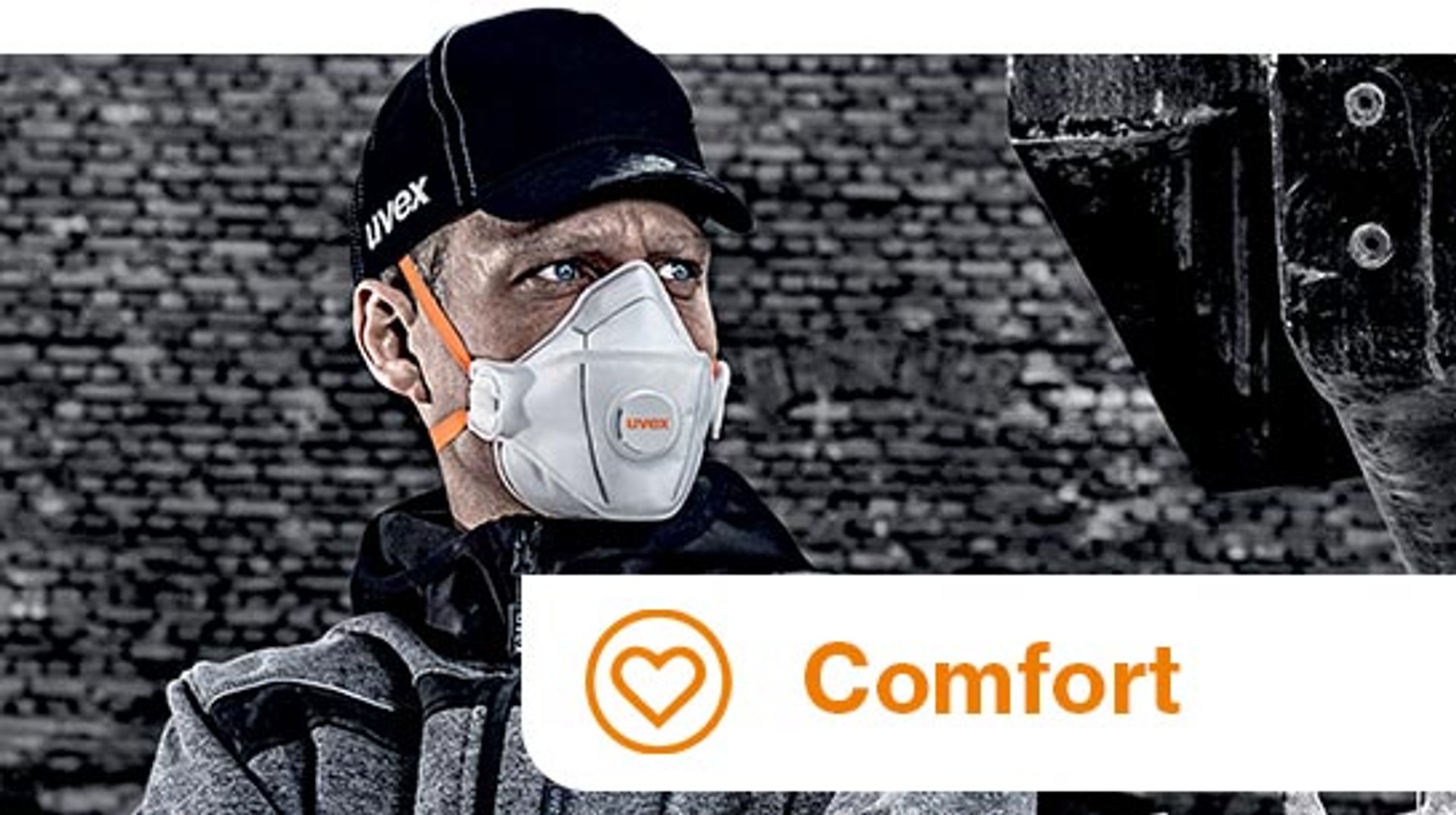
The many design features of the uvex silv-Air c range have been developed with the wearers comfort in mind. These include; field of vision, design and materials, size, weight and balance, compatibility with other PPE, pressure points, ease of adjustment and secure fitting, heat and moisture build up, and, breathing resistance. Depending on the model, the soft foam or PE sealing lip allows the wearer to achieve a customised seal without risk of leakage. Ensuring a mask has a low breathing resistance makes the experience more acceptable. Masks should have no sharp edges, staples, or seams that over time can dig in. Head straps should grip, be secure and without too much pressure when trying to ensure a good seal. It’s only when PPE fits well and is comfortable that it remains worn throughout the day.
Low breathing resistance
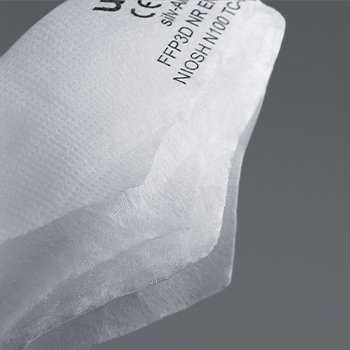
The carefully chosen combination of highly functional filter materials and the uvex fine-dust filter technology ensures that the individual layers ‘clog up’ at a slower rate offering maximum protection and making breathing easier.
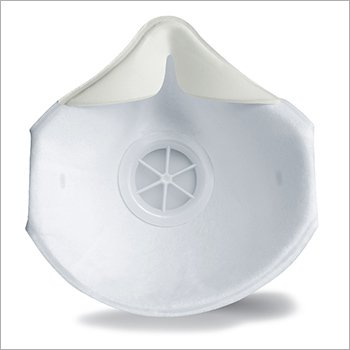
No pressure points
The soft sealing lip gives the mask a secure, comfortable and pressure-free fit. Different materials and designs are used depending on the model. The soft material edges prevent uncomfortable pressure points.
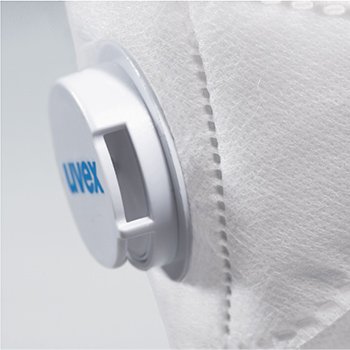
Exhalation valve
The exhalation valve with an ultra thin membrane is ideally situated for maximum efficiency and increased speed of opening and closing. This supports the easy transfer of humidity and reduced breathing resistance helping to improve the internal mask climate.
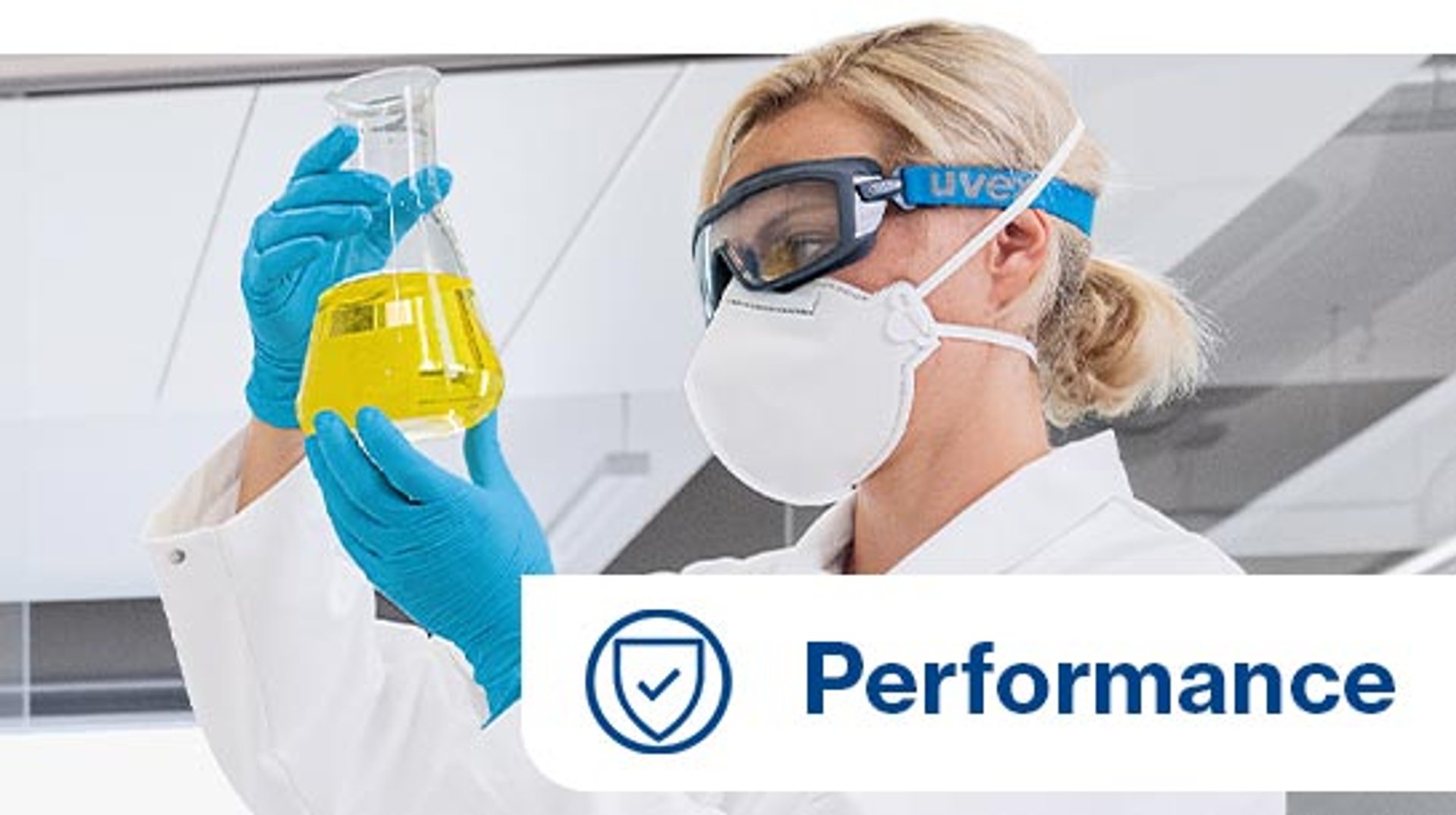

High-performing products
uvex face masks can reliably filter particles and droplets from the air and comply with the European standard DIN EN 149. Masks are divided into three basic protection classes based on their differences in filtering capacity; FFP1 masks filters out at least 80% of particles from the ambient air, FFP2 masks can filter out 94% of particles, and FFP3 masks have a filtering potential of 99%. The higher the filtering capacity required, the more filter layers that are used in the production of the mask, or the higher the grammage that is used in the filter layers. The different filter layers determine the shape retention, tear resistance, natural filtration and look and feel of the mask. As protective masks create increased breathing resistance over time, uvex has developed special high-performance masks. These masks keep breathing resistance as low as possible and improve the climate under the mask.
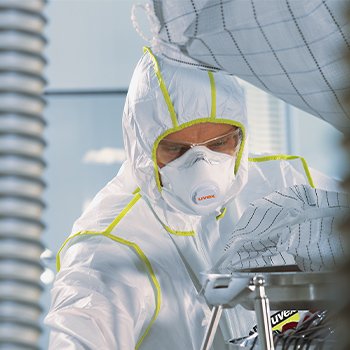
Quality made in uvex
To keep the breathing resistance low, the filter material used in uvex silv-Air c masks is electrostatically charged. This ensures that small particles that would normally be small enough to pass through the filter material stick to it instead.
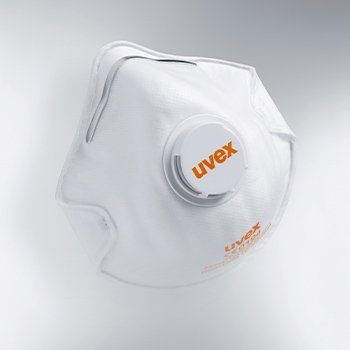
EN149:2001+A1:2009
All uvex respirators have been tested and approved in accordance with EN149:2001+A1:2009. This standard sets out a wide range of requirements for particle-filtering respirators, with the aim of providing the user with the highest level of protection and comfort.
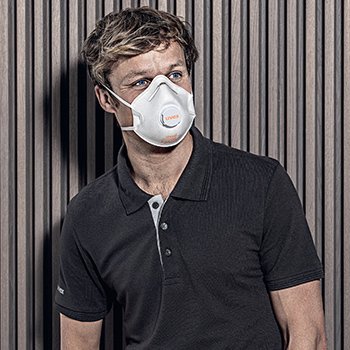
High-performance masks
uvex silv-Air c masks feature minimum breathing resistance and maximum wearer comfort. The particularly large filter areas to allow the wearer to breathe as naturally as possible.
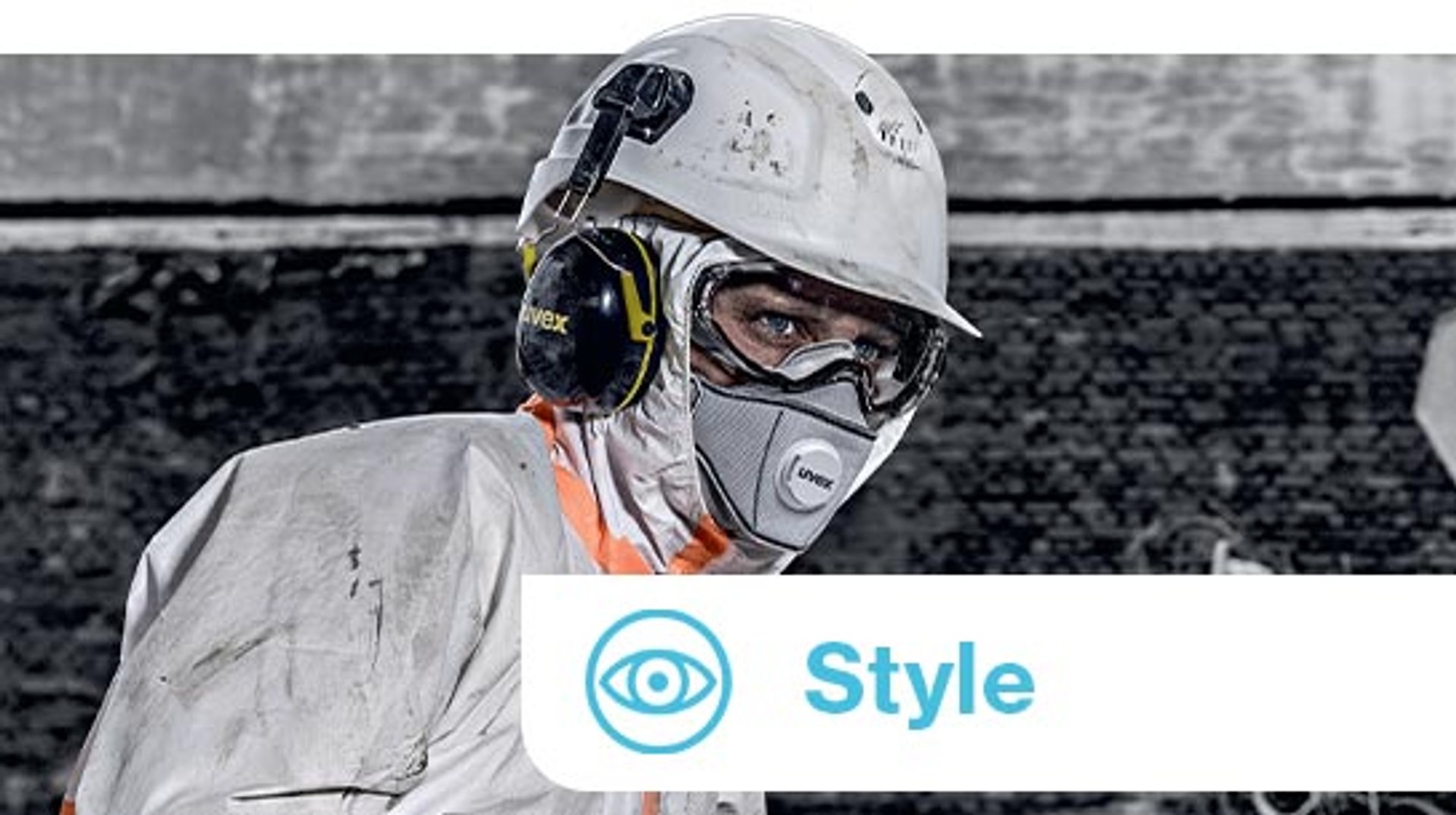

Style meets comfort and safety meets design
uvex protective masks also vary in shape: The preformed or cup-style masks are particularly sturdy and can also be worn for long periods of time. Flat-fold masks , on the other hand, are easy to store and are suitable for travel. Both types of respirator are available from uvex with or without an exhalation valve.



Looking for further guidance?
Choosing the right PPE can make all the difference when it comes to safety, comfort, and compliance. If you’d like tailored advice or want to trial uvex products in your environment, get in touch via our quick contact form or email marketing@uvex.co.uk.
FAQ's
Why does respiratory protection need to fit correctly?
Tight-fitting RPE relies on an effective seal between the facepiece and wearer. Differences in facial shape and size mean a respirator should be selected and fitted for the individual.
What is a face fit test?
Face fit testing is used to assess whether a particular tight-fitting facepiece provides an adequate fit for an individual wearer. Browse our face fit testing partners.
What do FFP1, FFP2 and FFP3 mean?
They are classifications for filtering facepiece respirators under EN 149, determining differing filtration performance. Learn more in our knowledge hub article.
Why is breathing resistance important when choosing a respirator?
Breathing resistance affects the experience of breathing through a particle-filtering mask. uvex uses filter technology and large filter areas in its silv-Air c masks to support low breathing resistance and wearer comfort.
Can respiratory protection be worn with safety glasses?
Yes, but compatibility needs to be considered. uvex develops eye and respiratory protection with combined use in mind so that the products can work together without unnecessarily compromising fit or comfort. Learn more
How do I choose suitable respiratory protection?
Selection should start with the hazard and risk assessment, followed by the required protection, facepiece type, individual fit, comfort and compatibility with other PPE.
WEARABILITY across all product groups

WEARABILITY in safety eyewear
Fit, comfort, lens technology and compatibility with other PPE can all influence whether safety eyewear remains comfortable throughout the task.

WEARABILITY in safety gloves
The right hand protection needs to balance protection against the identified hazard with fit, grip, dexterity and comfort.
WEARABILITY in hearing protection
Correct selection and fit are essential to effective hearing protection, while comfort and functionality can help support consistent use.
WEARABILITY in respiratory protection
Suitable RPE needs to match the hazard and fit the individual wearer correctly while remaining compatible with other PPE.

WEARABILITY in head protection
Safety helmets should combine appropriate protection with secure fit, comfort and compatibility with any additional PPE required.

WEARABILITY in prescription
Individually prescribed lenses, appropriate occupational protection and a comfortable frame fit work together to provide a practical solution for employees requiring vision correction.

WEARABILITY for female workers
Correctly fitting PPE helps improve comfort, confidence and compliance, reducing the risk of injury while supporting equality and inclusion in the workplace.
WEARABILITY in safety footwear
The best safety footwear should be supple, allowing freedom of movement without discomfort when walking or kneeling and comfortable enough to wear all day.