
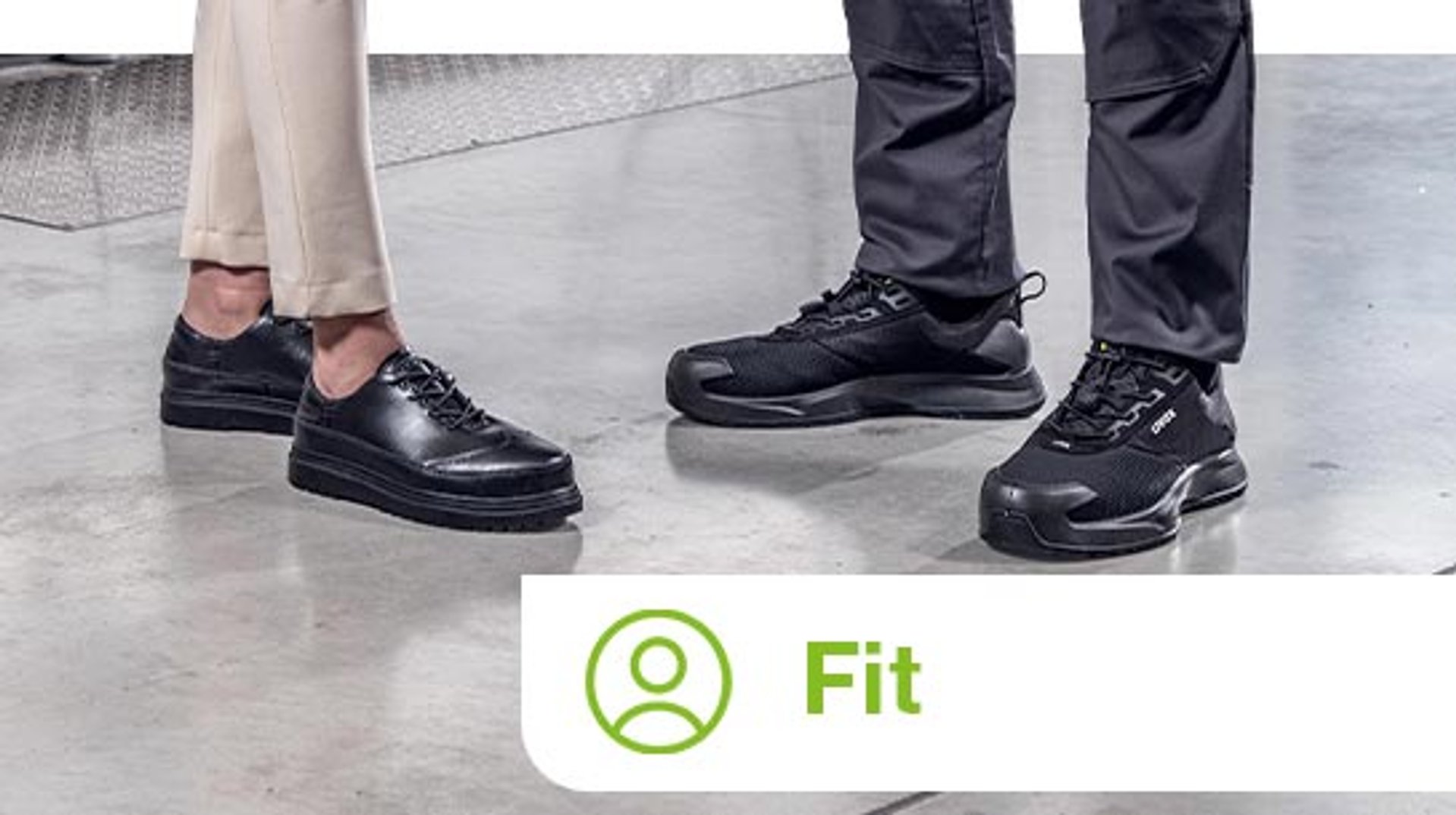
Fit
Proper fit
Safety footwear should provide a secure, comfortable fit without restricting natural movement. Foot shape and width can vary considerably between wearers, so choosing the right size, width and style is an important part of finding suitable footwear.

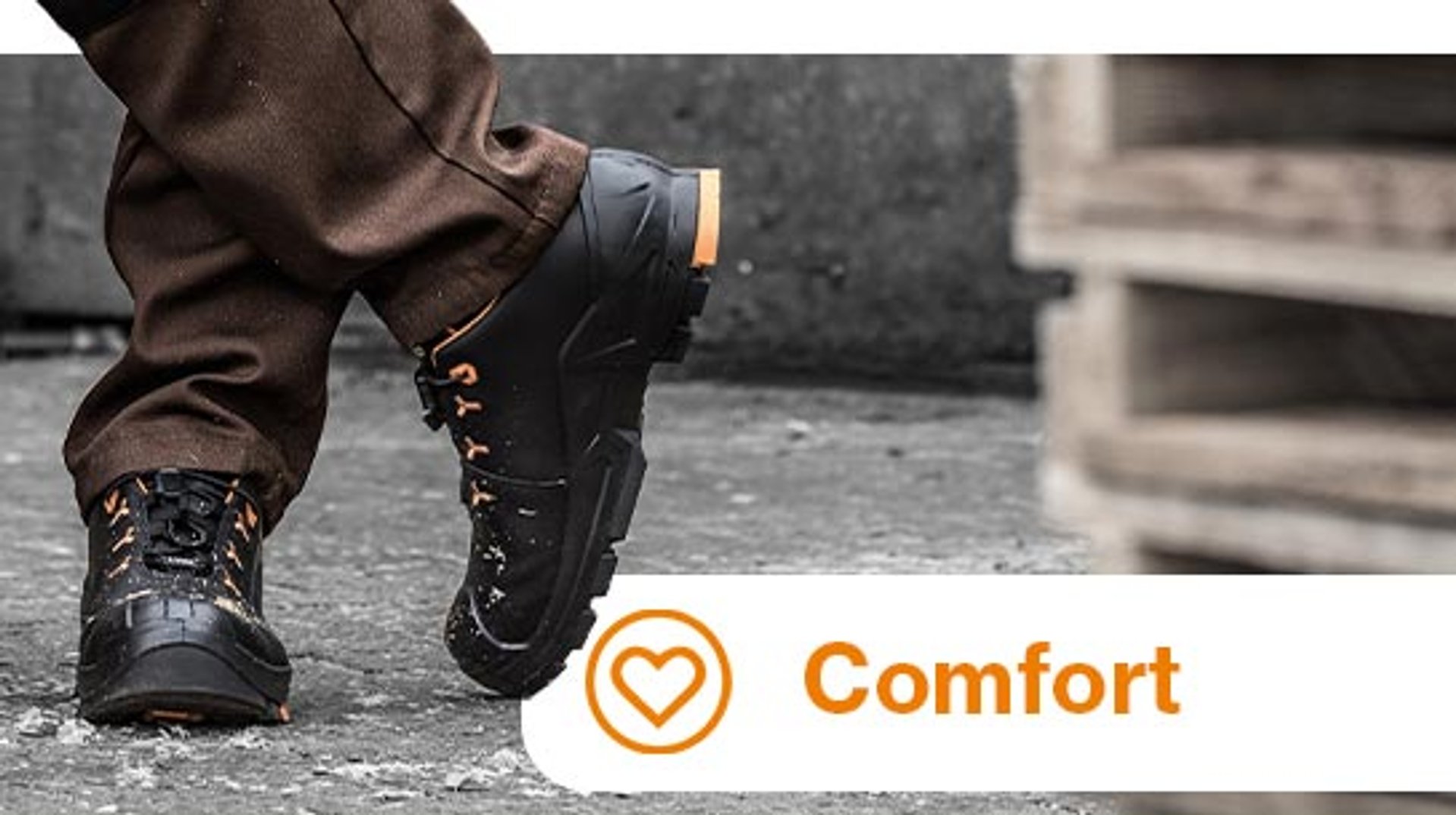
Comfort
All day comfort
Ergonomic design, cushioning, weight, flexibility, breathability and moisture management can all influence how footwear feels throughout the working day.

Performance
Product performance
The appropriate safety footwear depends on the hazards and working environment. Slip resistance, toe protection, penetration resistance, water resistance and other protective properties should be considered alongside comfort and fit.

Style
Modern style
Safety footwear doesn't need to feel cumbersome. Modern materials, athletic styling and lightweight construction can combine workplace protection with the comfort and appearance wearers expect from everyday footwear.

Start with the right fit
Correctly fitting safety footwear can make a significant difference to comfort throughout the working day.
Shoe size alone doesn't tell the whole story. People wearing the same shoe size can have different foot shapes and widths, so it's important to consider how footwear fits the individual. uvex offers safety footwear in different widths and uses fitting concepts designed to accommodate different feet.
Providing different widths, sizes and footwear designs helps businesses move away from a one-size-fits-all approach and towards safety footwear selected around the people actually wearing it.

Customised width fitting
uvex multiple fit system insoles change the dimensions inside your safety footwear. Width 10 is a thicker insole, reducing space inside the footwear for a narrower fit, while width 12 is a thinner insole increasing space inside the shoe for a wider fit.

Designed for the female foot
Many of our safety footwear styles have been produced using a ladies’ last to mimic the contours of a female foot. Women have a lighter bone weight, with softer and more flexible joints requiring safety footwear that has been manufactured specifically for the shape of the female foot.

Ergonomic design
Compact anatomical designs with good side and ankle support, along with tread patterns that are designed to mimic and support the natural flow of movement from heel to tee – provide stability and eliminate conflict between the wearer's natural movement and the design of the footwear.

Comfort from the ground up
Comfort is extremely important for wellbeing. If the climate of a shoe is optimised so that the strain felt by the wearer is as low as possible or even totally removed, this reduces the mental pressure of being uncomfortable and therefore, reduces fatigue.
Ergonomically designed footwear that supports the foot's bone structure and natural rolling motion, together with lightweight materials, temperature regulation, sweat management, shock absorption and cushioning. all play an important role in ensuring footwear remains comfortable throughout the working day.
The lighter the footwear and the greater the shock absorption, the less hard the muscles in the foot, leg and back must work, reducing strain and allowing performance to be maintained for longer.
Designed to move with you
Our feet move constantly throughout the working day. Walking, standing, kneeling, crouching and climbing can all place different demands on safety footwear. That's why flexibility and ergonomic design are important considerations alongside protection. Footwear that supports natural movement can help provide greater freedom of movement during everyday tasks.

Energy return
uvex i-PUREnrj technology offers increased stability, very high levels of shock absorption as well as energy-return. The recovered landing energy over the entire sole unit is returned to the wearer providing a boost of energy, greater comfort and significantly lower fatigue in the legs and feet.

Climate management
The climate inside footwear can have a significant influence on comfort. Breathable materials and effective moisture management can help create a more comfortable internal environment, particularly where safety footwear needs to be worn for extended periods.
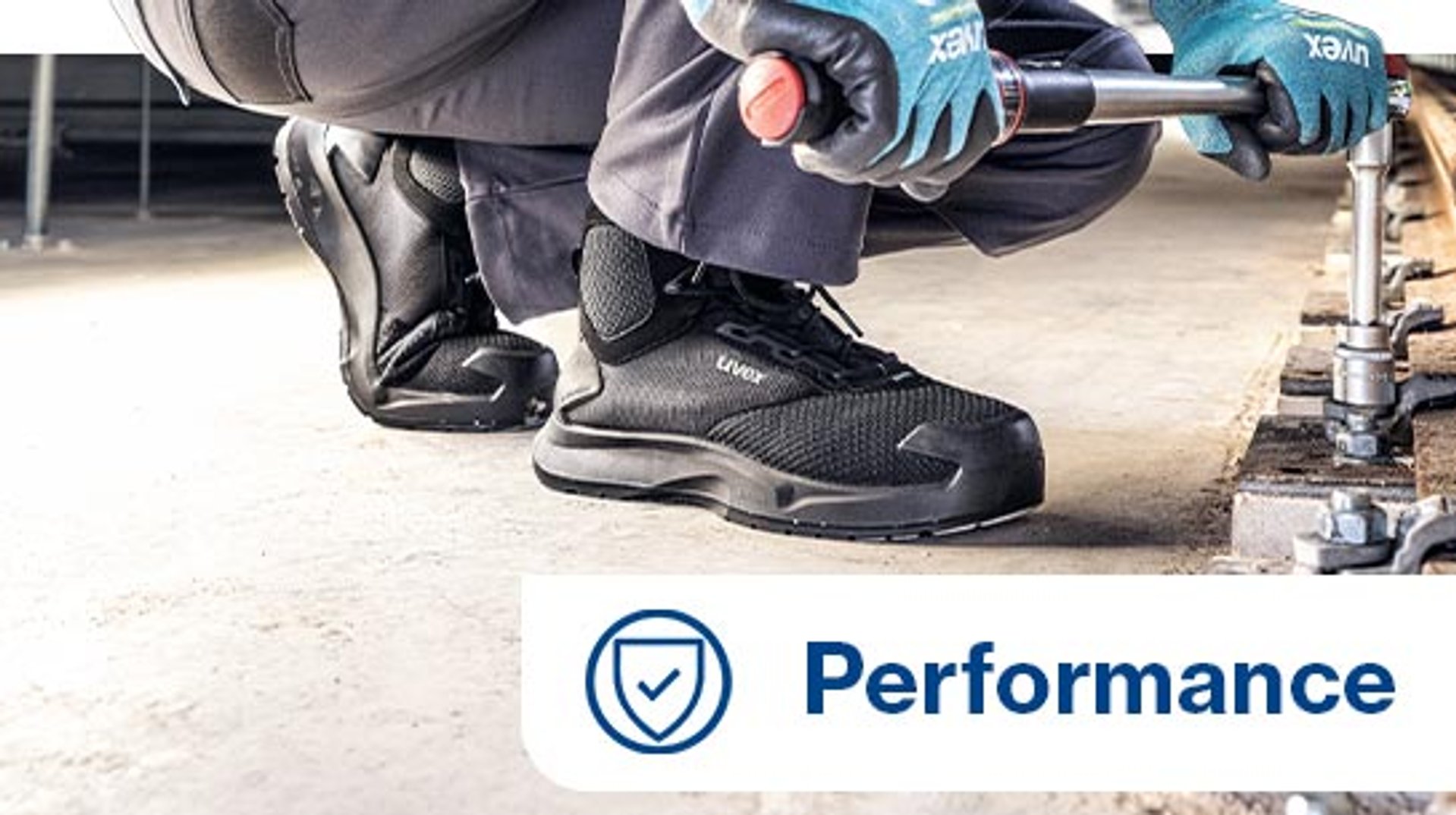

Performance for the working environment
Designed with safety in mind, protective footwear from uvex features slip-resistant soles, anti-twist protection, breathable upper and lining materials, all with comfort at the forefront of the designs. We understand that the design and quality of materials appropriate for the intended environment of use all have a bearing on the wearer experience in terms of comfort, slip resistance, protection and durability.

uvex x-dry knit
The unique uvex x-dry knit technology offers unparalleled levels of comfort and keeps feet dry. This is made possible by the intelligent combination of outstanding breathability and the water-repelling characteristics of the innovative uvex x-dry knit knitted collar. Hot, sweaty feet are a thing of the past.

uvex x-tended grip
The uvex x-tended grip technology, based on the latest-generation TPU outsole, guarantees even greater performance in terms of abrasion resistance of the sole and slip resistance on smooth or wet surfaces. The result? Greater safety and stability for the wearer when walking.

uvex waterstop technology
uvex waterstop technology is designed to keep feet dry and it’s performance lasts four times longer than that required by the standard for S3 safety footwear - that states footwear must be water-resistant to achieve this rating.
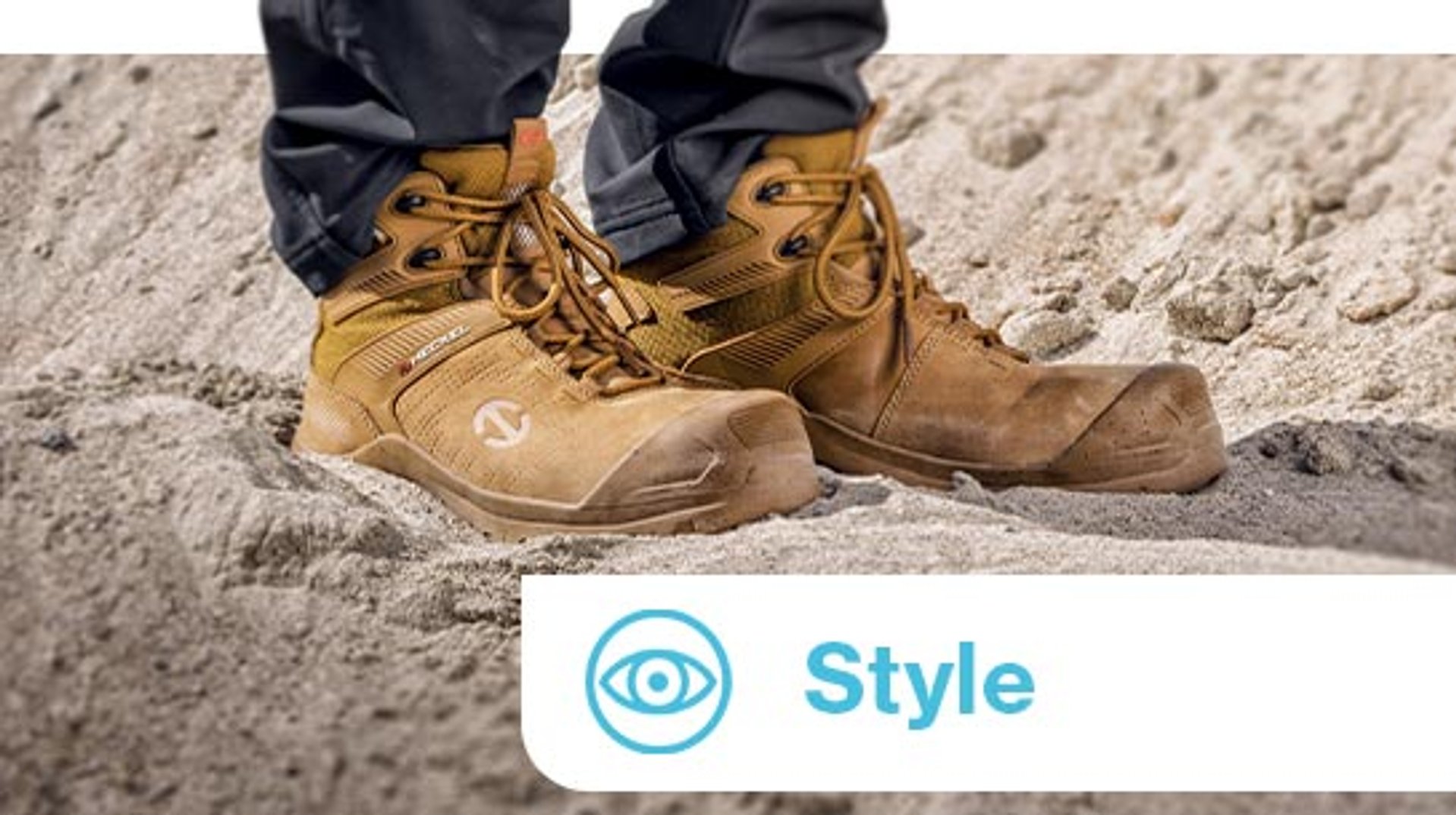

Style meets comfort and protection
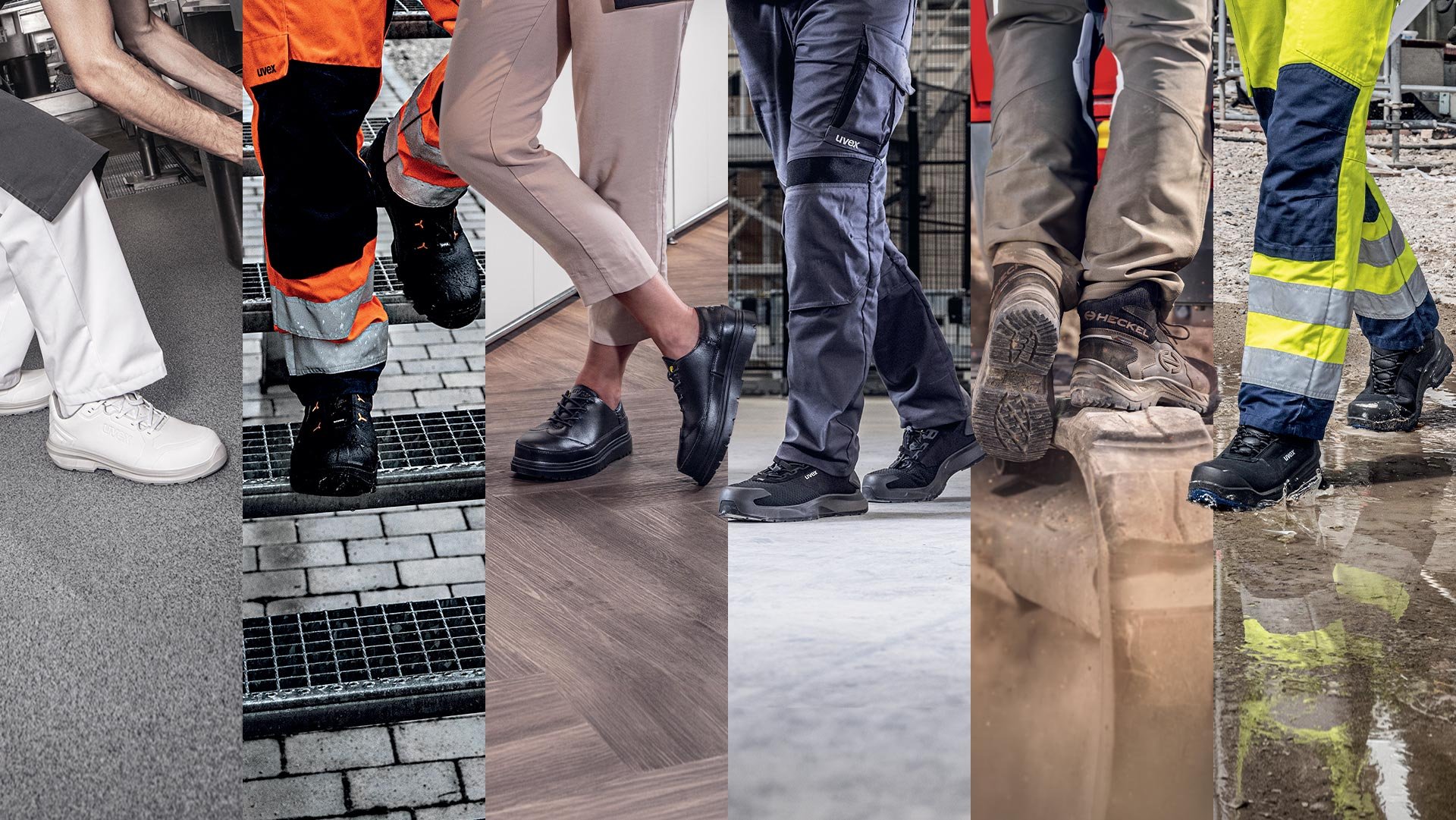
Safety footwear has changed considerably from the traditional image of heavy, cumbersome work boots. Modern materials and manufacturing techniques make it possible to combine occupational protection with lightweight, contemporary designs.
uvex safety footwear includes styles ranging from trainers and low shoes through to ankle boots, safety boots and hygiene footwear. Giving employees footwear appropriate for their role, working environment and individual fit helps put the wearer at the centre of PPE selection. Because when PPE works for the wearer, WEARABILITY can support compliance.


uvex safety footwear expertise
uvex manufactures safety footwear at its shoe production facility in Ceva, Italy, while product development also takes place through the company's technology expertise in Germany.
This manufacturing and development expertise supports a broad range of safety footwear designed for different applications, protection requirements and wearer needs.


Looking for further guidance?
Choosing the right PPE can make all the difference when it comes to safety, comfort, and compliance. If you’d like tailored advice or want to trial uvex products in your environment, get in touch via our quick contact form or email marketing@uvex.co.uk.
FAQ's
How should safety footwear fit?
Safety footwear should provide a secure and comfortable fit without excessive movement or uncomfortable pressure points. Foot shape and width should be considered alongside conventional shoe size.
Where different widths or fitting options are available, these can help provide a closer fit for the individual wearer.
Why does width matter when choosing safety shoes?
Two people who wear the same shoe size can still have differently shaped or different-width feet.
Selecting an appropriate width can therefore help provide a more suitable fit. uvex uses fitting concepts including different-width options and the multiple fit insole system to accommodate different wearers.
What safety footwear is suitable for people who kneel frequently at work?
The footwear should first provide the protection required by the workplace risk assessment, but flexibility is also worth considering where a task involves frequent kneeling, crouching or squatting. The uvex 1 x-craft range incorporates a flexible forefoot designed to support natural movement when walking, kneeling and squatting.
What does energy return mean in safety footwear?
Energy-return cushioning combines impact absorption with the return of some energy through the sole system.
uvex i-PUREnrj technology is designed around shock absorption and energy return and is used within uvex safety footwear including the uvex 1 x-craft range.
What is EN ISO 20345:2022?
EN ISO 20345:2022 specifies requirements for safety footwear. Individual footwear is classified according to the protective characteristics it provides. Current uvex safety footwear product information identifies the applicable classification for each model.
How do I choose comfortable safety footwear?
Start with the protection required for the task and then consider the individual wearer.
Factors such as size, width, cushioning, weight, breathability and flexibility can all influence comfort. It's also important to consider the movements involved in the job, such as prolonged walking, standing, kneeling, crouching or climbing.
Are lightweight safety trainers suitable for work?
Lightweight safety trainers can be suitable where the individual product provides the protection required for the workplace hazards and task.
The suitability of footwear should therefore be determined by its protective properties and applicable classification, rather than its trainer-style appearance alone.
What should I consider when choosing safety footwear for wet conditions?
Start with the hazards and protection requirements identified for the workplace. Where wet conditions are involved, consider the footwear's relevant water-resistance properties alongside factors such as grip, fit, comfort and the environment in which it will be worn.
WEARABILITY across all product groups

WEARABILITY in safety eyewear
Fit, comfort, lens technology and compatibility with other PPE can all influence whether safety eyewear remains comfortable throughout the task.

WEARABILITY in safety gloves
The right hand protection needs to balance protection against the identified hazard with fit, grip, dexterity and comfort.
WEARABILITY in hearing protection
Correct selection and fit are essential to effective hearing protection, while comfort and functionality can help support consistent use.
WEARABILITY in respiratory protection
Suitable RPE needs to match the hazard and fit the individual wearer correctly while remaining compatible with other PPE.

WEARABILITY in head protection
Safety helmets should combine appropriate protection with secure fit, comfort and compatibility with any additional PPE required.

WEARABILITY in prescription
Individually prescribed lenses, appropriate occupational protection and a comfortable frame fit work together to provide a practical solution for employees requiring vision correction.

WEARABILITY for female workers
Correctly fitting PPE helps improve comfort, confidence and compliance, reducing the risk of injury while supporting equality and inclusion in the workplace.
WEARABILITY in safety footwear
The best safety footwear should be supple, allowing freedom of movement without discomfort when walking or kneeling and comfortable enough to wear all day.