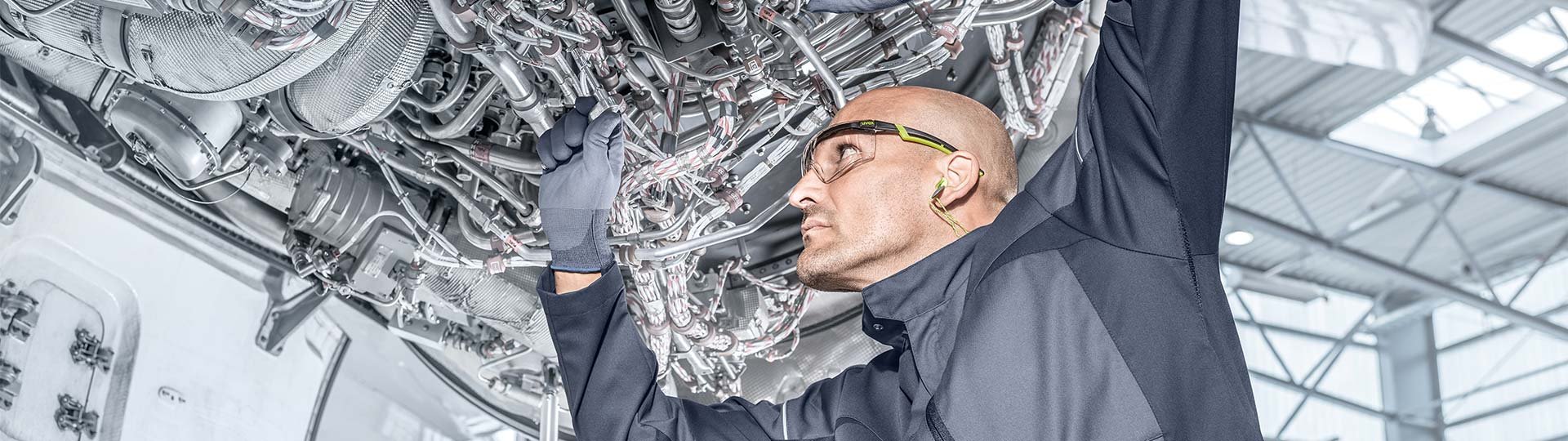
Signs and causes of eye discomfort with safety glasses
If you’re reading this article, chances are you’ve experienced some discomfort while wearing safety eyewear. Here are some signs of eye strain and eye fatigue:
- Dry, or watery eyes
- Soreness of eyes
- Trouble focusing
- Blurred vision
- Light sensitivity
- Headache “behind the eyes”
It should come as no surprise that eye fatigue and eye strain have everything to do with the quality of your eyewear. If you wear cheap, low-quality safety eyewear for hours at a time on the job, you’ll likely start to experience discomfort.
Even though your eyes won’t be permanently damaged because of eye strain, it will influence productivity. Having to stop what you’re doing and take your eyewear off to refocus your eyes or give them a break from your eyewear is considered lost time.
In extreme situations, eye strain can cause impaired vision, leading to lower visual awareness of your surroundings – affecting your overall ability to detect safety hazards, which can come with very real consequences.
Reasons safety glasses may cause eye fatigue
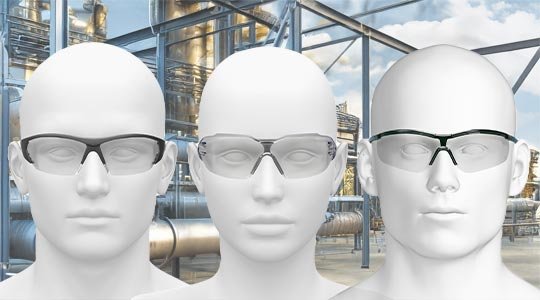
The wrong fit
A common misconception in safety departments is that they can buy one type of eyewear and expect it to work for and fit every employee. This thinking can lead to issues down the road for workers.
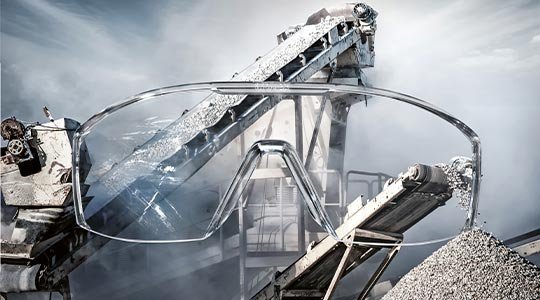
Scratched lenses
Scratched lenses can be the result of damage during work, the age of the eyewear, or improper care, cleaning, or storage (raise your hand if you’ve ever tossed your safety glasses on your dashboard!). No matter the reason lenses become scratched, it can affect the quality of vision through the polycarbonate and cause eye strain and fatigue. Make sure that if safety eyewear lenses are scratched, their promptly replaced.
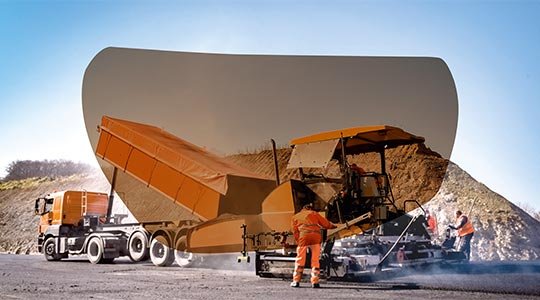
The wrong tint
If you’re working in environments where you experience glare, do high precision work, or work indoors and outdoors, different types of tints may be needed. Proper tints help your eyes adjust to the conditions of the environment, lessening the intensity at which your eyes need to focus and refocus. If you’re not using the correct tint on your safety glasses, it could result in eye strain or eye fatigue.
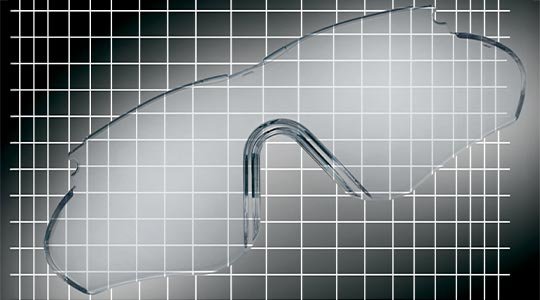
Poor optical clarity of lenses
If you’re wearing low-cost eyewear, it’s possible that the quality of the polycarbonate lenses isn’t as good as it could be. If you put on a pair of safety eyewear and the lenses seem cloudy or there seem to be tiny distortions in the lenses, beware. This is a tell-tale sign of poor optical quality. Lenses with excellent optical quality are free of aberrations and imperfections – they allow to see using as close to natural vision as possible.
How can you help avoid eye fatigue?
Know your manufacturer: Understand how they source their frame and polycarbonate materials. How often do they clean and check their lens moulds while the lenses are being created, if ever? Do they have any optics experience or an understanding of the science behind how eyes work? All these factors can either positively or negatively affect the quality of the frames and polycarbonate.
Trial safety eyewear before implementing it into your safety programme: The best way to ensure you’re wearing safety eyewear that won’t negatively affect your vision, productivity, and safety is to trial it. This allows you to test out several different pairs to find the right comfort, fit, style, performance, and optical clarity for your application.
uvex's proprietary lens technology with edge-to-edge Optical Class 1 clarity gives wearers as close to natural vision as possible for fewer headaches, eye fatigue, and strain. All lenses are manufactured in-house with 100% visual inspection throughout the production process to ensure that any deviation in optical quality can be immediately corrected.
uvex's range of safety eyewear solutions
The wide range of uvex styles and designs of safety eyewear allows you to find the product that most suits you. We offer a range of lens shades and coatings to suit a variety of workplace environments and light conditions. All uvex lens options will provide maximum UV protection. Choose the style and type of frame that suits you and the environment you are working in.
Looking for further guidance?
Choosing the right PPE can make all the difference when it comes to safety, comfort, and compliance. If you’d like tailored advice or want to trial uvex products in your environment, get in touch via our quick contact form or email marketing@uvex.co.uk.
FAQ's
No, properly manufactured and certified safety eyewear will not damage your eyesight. Issues only arise when eyewear is poorly fitted, incorrectly specified, or unsuitable for the task or environment.
Eye strain is usually caused by factors such as poor lens quality, incorrect lens type (e.g. wrong tint for the environment), or eyewear that distorts vision. Switching to high-quality, certified lenses and ensuring the correct specification can resolve this.
Yes. Using an inappropriate tint can reduce visibility, distort colour perception, or make it harder to focus—particularly in low-light or variable-light conditions. Lens selection should match the working environment.
Absolutely. A poor fit can cause discomfort, pressure points, and inconsistent visual alignment, leading to fatigue or headaches. Properly fitting eyewear ensures both comfort and optimal visual performance.
Yes. Scratches, abrasions, or worn coatings can impair clarity and increase glare, which can contribute to eye strain and reduced visual accuracy. Damaged lenses should be replaced promptly.
For wearers who need vision correction, prescription safety eyewear is essential. It ensures clear, accurate vision while maintaining protection—whereas wearing standard safety glasses over incorrect or no prescription can compromise both comfort and safety.
Headaches may occur if the eyewear is too tight, poorly balanced, or if the lenses cause distortion. Ensuring the correct fit and high optical quality helps prevent this.
Choose certified eyewear that meets relevant standards, ensure it fits correctly, select the appropriate lens type for your environment, and replace lenses when they become damaged or worn.