
What do we mean by cost in use?
Cost in use refers to the total cost of a product over its entire lifecycle, rather than just the upfront purchase price.
When assessing PPE, it helps to consider:
- Purchase price
- Replacement frequency
- Durability in real working conditions
- Maintenance and cleaning requirements
- Wearer comfort and acceptance
- Downtime caused by poor performance
- Waste and environmental impact

A low-cost product may appear to save money initially, but frequent replacement or poor usability can significantly increase overall spend.
Put simply, price does not always equal value. The goal is not to buy the cheapest PPE, nor necessarily the most expensive. It is to choose PPE that delivers the right balance of protection, durability, comfort and long-term value.
What makes uvex different from other PPE manufacturers?
Longer product life through advanced lens coatings
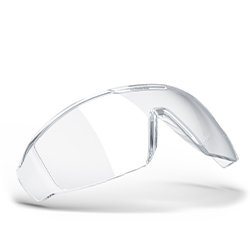
Protective eyewear is often worn in challenging environments, so coating performance plays an important role in product life, visibility and wearer acceptance. uvex’s pioneering lens coatings deliver the very best in German engineering. Developed in our own manufacturing facilities in Fürth, Germany, our lens coatings are permanent even after repeated cleaning. This offers great value for money and means you can get on with the job at hand without any distractions from your eyewear.
Durability through quality materials and manufacturing
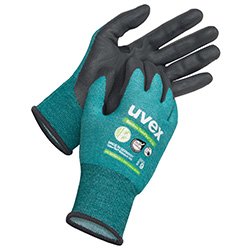
Product quality starts with the materials, components and manufacturing processes behind it. uvex develops its own tools and works closely with reliable long-term partners to help safeguard product quality and durability throughout the value chain. For buyers, this matters because better manufacturing consistency can contribute to longer-lasting products, fewer failures in use and lower replacement rates over time.
Greater longevity through WEARABILITY
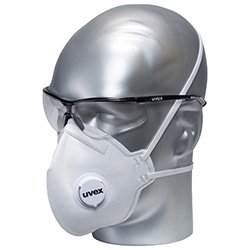
Cost in use is not only about how long a product physically lasts, it is also about whether people are willing to wear it properly throughout the day. uvex defines WEARABILITY through four key factors — comfort, fit, performance and style - which together influence wearer experience, acceptance and compliance. If PPE fits correctly, feels comfortable and performs well in the working environment, it is more likely to be worn for longer periods and less likely to be removed during tasks. That can help reduce risk while also supporting the long-term value of the product.
How to compare PPE value effectively
When reviewing PPE options, consider:
- How long will this product realistically last in our working environment?
- How often will it need replacing?
- Will employees be happy to wear it consistently?
- Can it help reduce interruptions, complaints or reordering?
- Will it support our sustainability goals by lowering waste?
Taking this approach helps you identify solutions that deliver genuine value over time.
Investing in quality PPE is an investment in your workforce
The benefits of better PPE go well beyond direct product costs.
There are several wider operational advantages of using longer-lasting, better-performing products. Fewer orders will be needed, so less stock will need to be held on site, reducing storage costs and keeping cash within the business. Using longer-lasting products also means increased production time, as employees does not waste time going back and forth to replenish their PPE. Workers are also more likely to wear their protective gear if it does not keep failing, thus minimising risk, improving safety and increasing concentration on the job. Finally, better quality products have a longer life meaning there is less waste going to landfill.

✔ Fewer orders
✔ Less stock held on site

✔ Reduced storage costs

✔ Increased production time

✔ Increased compliance

✔ Less waste going to landfill

Looking for further guidance?
Choosing the right PPE can make all the difference when it comes to safety, comfort, and compliance. If you’d like tailored advice or want to trial uvex products in your environment, get in touch via our quick contact form or email marketing@uvex.co.uk.
FAQ's
How do you calculate the cost in use of PPE?
Cost in use is calculated by looking at the total lifecycle cost of a product, rather than just its purchase price. This includes factors such as durability, replacement frequency, maintenance, wearer acceptance and any downtime caused by poor performance.
Is cheaper PPE more expensive in the long run?
In many cases, yes. Lower-cost PPE may need replacing more frequently, perform less effectively in real working environments and be less comfortable for the wearer. These factors can lead to higher overall costs over time.
Does more expensive PPE always offer better value?
Not necessarily. The goal is to find the right balance between performance, durability and cost. Higher-priced PPE often offers better longevity and comfort, but value should always be assessed based on how the product performs in your specific application.
Why is wearer comfort important when choosing PPE?
Comfort plays a key role in compliance. If PPE is uncomfortable or poorly fitting, workers are less likely to wear it correctly or consistently. Improving comfort helps ensure PPE is worn as intended, supporting both safety and cost efficiency.
How can quality PPE help reduce waste?
Durable, longer-lasting PPE reduces the need for frequent replacement, which lowers product consumption and waste. This not only reduces costs but also supports more sustainable procurement practices.