What is it like living with tinnitus?

Tinnitus refers to hearing sounds - such as ringing, hissing, buzzing or whooshing - in one or both ears or within the head, without any external source.

The experience varies widely: for some, the sound is occasional and mild, while for others it is constant and intrusive. These symptoms can significantly affect daily life, impacting concentration, sleep, and overall wellbeing, and in more severe cases may contribute to heightened stress, anxiety, or low mood.

What causes tinnitus?

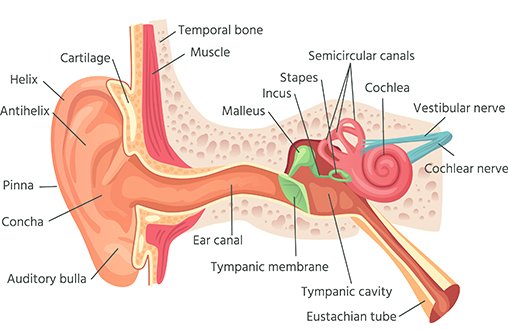
Tinnitus is thought to originate from changes within the auditory system, often triggered by damage to the delicate hair cells in the cochlea or disruptions in the auditory nerve pathways. When these cells or neural circuits fail to transmit sound signals correctly, the brain may compensate by increasing the sensitivity of auditory regions, creating the perception of internal noise.

This maladaptive neural activity - sometimes described as “auditory gain” - helps explain why tinnitus can persist even in the absence of external sound and why it may worsen with stress, fatigue, or further noise exposure. Research also shows that the limbic system, responsible for emotional processing, can influence how intrusive tinnitus feels, linking physical hearing changes with stress and emotional responses.

Structure of the ear

1 in 3 people get tinnitus at some point in their lives, while around 1 in 10 UK adults have tinnitus that doesn’t go away.

Advice for living with tinnitus

background noise

Add background noise as a distraction

Adding more noise may seem counterintuitive but being in a quiet environment means you’re likely to focus on your tinnitus sounds. Adding in some background noise like soft music or nature sounds can help to distract from the buzzing.

Relaxing

Take time for quiet relaxation

Stress is known to exacerbate tinnitus symptoms, making effective stress‑management strategies an important part of living with the condition. Creating quiet, calming moments can help reduce sensory overload. Activities that promote relaxation or gentle mental engagement, such as going for a walk, may also help ease the stress and tension associated with tinnitus.

Healthy diet

Adopt a healthy diet

Maintaining a healthy diet can play a supportive role in managing tinnitus symptoms. Research suggests that reducing the intake of caffeine and alcohol may help, as these substances can have a negative effect on tinnitus for some individuals.

Exercise

Exercise to increase blood circulation

Regular physical activity can support tinnitus management by helping to reduce stress levels and promoting healthy blood circulation. Increased circulation is considered beneficial, as some cases of tinnitus may be linked to reduced blood flow to the inner ear. Finding a balanced routine that incorporates manageable forms of exercise can help contribute to overall well‑being.

Hearing protection is essential

Frequent and prolonged exposure to loud noise significantly increases the risk of developing tinnitus.

Loud environments can make managing this condition more challenging and may contribute to increased fatigue and tiredness. These environments are also difficult to avoid in everyday life, which can add to the strain experienced by those affected. Using appropriate hearing protection - such as earplugs or noise-cancelling headphones - can help reduce exposure to harmful noise levels and support overall well-being.

The length of time you can safely be exposed to sound over 85 dB without needing hearing protection depends on the intensity of the sound. The energy the sound waves carries doubles with every increase of 3 dB, so even though a bulldozer doesn’t sound twice as loud as city traffic, it is twice as intense.

With each increase of 3 dB, the length of safe exposure time halves. For sounds above 100 dB (a nightclub for example) you’re at risk of hearing damage after just 15 minutes!

If you work somewhere where the noise levels exceed 80 dB, the law states hearing protection should be provided and staff must be trained and educated in the risks associated with noisy environments. However, in social environments there are no rules and no protection is provided so it is up to the individual to protect themselves.

When we consider the noise levels of a rock concert, which can be as much as 110 dB, not wearing hearing protection means you are putting your hearing at great risk.

It is important to remember that hearing damage cannot be reversed. Protect your hearing by reducing the time you’re exposed to loud noise or by using earplugs or ear defenders.

Hearing protection from uvex