
Where does blue light come from?
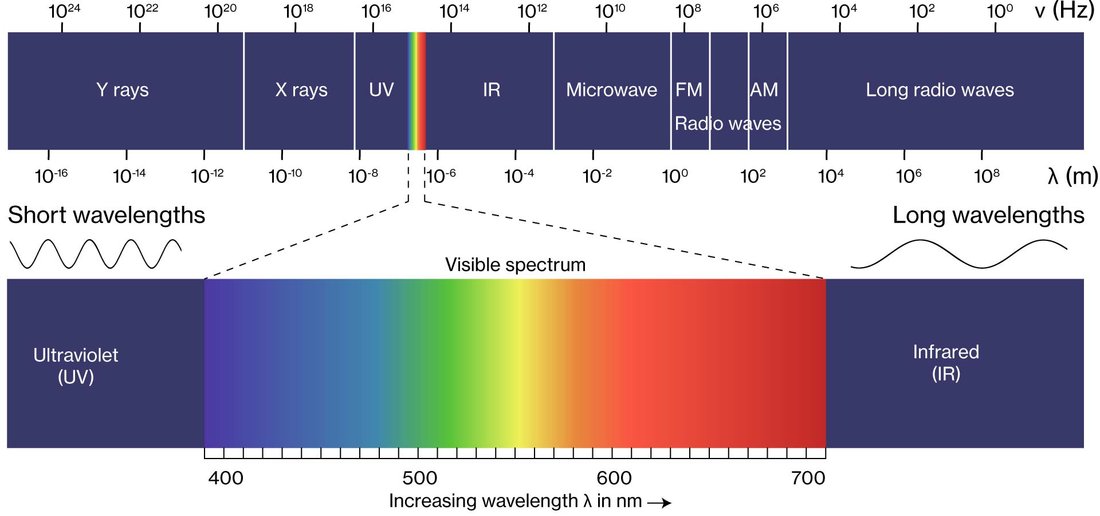
Blue light has a wavelength of between approximately 380nm and 500nm making it one of the shortest and highest-energy wavelengths. Whereas ultraviolet light (UV) is largely absorbed by the front of the eye, blue light passes through and reaches the retina. Approximately one-third of all visible light is considered high-energy visible (HEV) or blue light.
It is important to remember that blue light is everywhere, so we are all exposed to some level of blue light during the day. Our bodies use blue light in its natural form to regulate our sleeping and waking cycles, known as our circadian rhythm. It helps to increase our alertness, heighten reaction times and boost our moods. Sunlight is the main source of blue light when we're outdoors, making the sky appear blue, but there are many man-made sources that we can be exposed to.
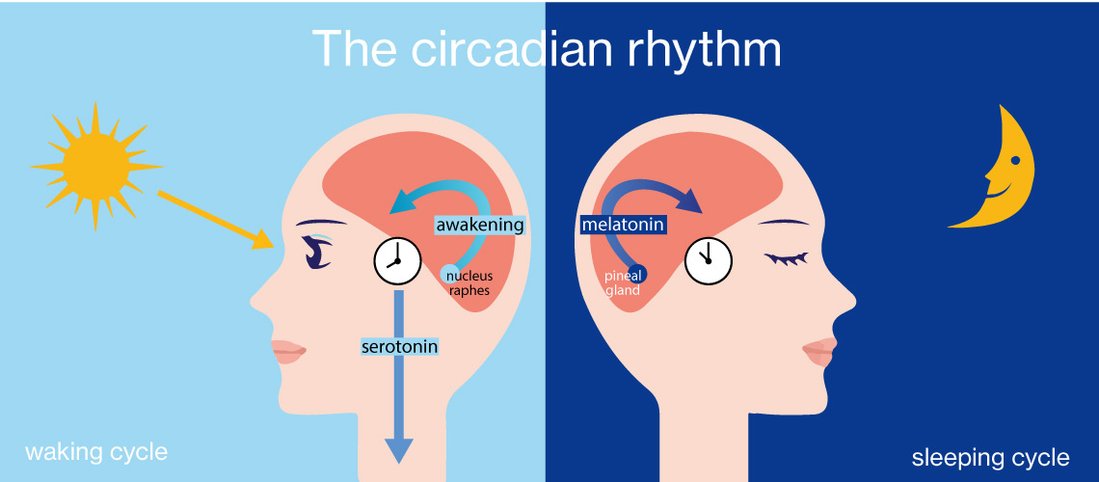
In addition to the natural blue light from the sun, artificial blue light is emitted from digital screens (TV's, computers, smart phones and tablets) as well as LED and fluorescent lighting. At work, 43% of adults use a computer, tablet or smartphone - as well as during their personal time - for prolonged periods. High exposure to blue light, especially at night time, can lower the production of melatonin (the hormone our bodies use to regulate sleep) which can disrupt our circadian rhythm.
A high level of exposure can sometimes cause us problems with eye strain, headaches and mental and physical fatigue. Prolonged exposure to blue light may cause retinal damage and contribute to age-related macular degeneration* (AMD).
Learn more about Digital Eye Strain
Studies have shown that too much exposure to blue light can damage our light-sensitive cells in the retina at the back of the eye. This causes changes that resemble those of macular degeneration, which can lead to permanent vision loss. More research is needed to determine how much blue light, whether natural or unnatural, is too much for the retina. Added blue light exposure from computer screens, smartphones and other digital devices might increase a person's risk of macular degeneration* later in life.
"Digital eye strain", or computer vision syndrome (CVS), is a term used to describe the conditions resulting from the use of electronic gadgets. Many of us spend our time looking at digital screens, whether a computer at work, our smartphone or just relaxing and watching television. Symptoms can include blurry vision, difficulty focusing, dry and irritated eyes, headaches or neck and back pain.
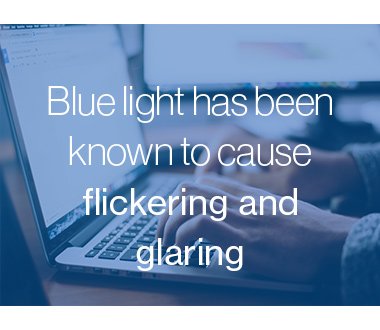
Blue light waves are not as easily focused due to their high energy levels, meaning they scatter. This can reduce contrast when looking at a computer screen and the resultant "noise" can contribute to digital eye strain.
Protective eyewear from uvex
Wearing safety spectacles that reduce harmful blue light is recommended at workplaces with screens as well as for people who work in environments with artificial light sources (LED lighting), for example in light industry or certain logistics platforms. Our specialised lenses filter out harmful blue light, reducing eye strain and protecting your vision. Whether you're in front of a computer or out in the sun, uvex lenses provide the protection you need.
Safety eyewear with our uvex CBR65 filter absorbs around 50% of blue light, providing protection against harmful blue light and are ideal for use at workplaces with screens. The uvex CBR23 filters 95% of high-energy visible light (HEV) at 450 nm, ideal for outdoor applications working in bright sunshine.

Looking for further guidance?
Choosing the right PPE can make all the difference when it comes to safety, comfort, and compliance. If you’d like tailored advice or want to trial uvex products in your environment, get in touch via our quick contact form or email marketing@uvex.co.uk.
FAQ's
Blue light is a high‑energy visible (HEV) light with wavelengths between 380–500 nm, making it one of the highest‑energy forms of visible light. While the sun is our largest natural source, many artificial sources such as LED and fluorescent lighting, as well as digital screens (smartphones, computers, tablets), also emit blue light.
High levels of blue light exposure - especially in workplaces with prolonged screen use or strong LED lighting - can contribute to eye strain, headaches, fatigue, and disrupted sleep cycles due to reduced melatonin production. Studies also suggest prolonged exposure may contribute to retinal changes similar to age‑related macular degeneration, though more research is needed.
Blue light filtering eyewear reduces the amount of HEV light reaching the eyes, which may help improve visual comfort and reduce glare. Research shows digital screens emit far lower levels of blue light than sunlight, meaning the primary benefit is comfort rather than proven long‑term damage prevention. Many people still choose blue light filtering lenses to minimise glare and visual fatigue during screen-heavy tasks.
Yes. Workplace environments often contain high levels of artificial lighting - particularly LEDs and fluorescent lights, which emit significant blue light. Safety eyewear with blue light filtering can help reduce glare, support concentration, and improve worker comfort in settings where visual clarity and eye protection are critical.
Blue light safety eyewear includes specific filters or tints designed to absorb or block a portion of HEV blue light, while still meeting safety requirements such as impact resistance and side protection. Some models also combine UV protection with blue light filtering in a single lens type, offering broader visual safety for industrial environments.
*Genetics, diet, exercise, hydration, tiredness, medication and environmental factors contribute.