What is an optical hazard?
An optical hazard is any light-related condition that negatively affects vision or poses a risk of eye discomfort, injury or long-term damage.
In the workplace, optical hazards are not limited to extreme sources such as welding arcs or lasers.
They also include everyday lighting conditions that interfere with how the eye processes visual information.
What types of optical hazards are commonly found at work?
Most workplace optical hazards fall into two main categories. Both are common across many environments and can affect visual comfort, focus and safety if not properly managed.
Optical hazard type | Direct light sources | Reflections and glare |
What it is | Light that shines straight into the eye from a source. | Light that bounces off surfaces and enters the eye indirectly. |
Common examples | Sunlight, LED or fluorescent lighting, welding arcs, furnaces, high intensity or blue rich task lighting. | Metal surfaces, stainless steel machinery, glass panels, screens, floors, liquids and packaging films |
Effect on vision | Can overload the eye and cause discomfort. | Can create glare that reduces visual contrast and clarity. |
Main risks | Eye strain, visual fatigue and possible long term damage with prolonged exposure. | Difficulty focusing on edges and detail, leading to faster eye fatigue. |
What causes optical hazards in different workplaces?
Optical hazards can vary significantly depending on the working environment, but they are most often caused by lighting conditions, reflective surfaces and visual demands that place strain on the eyes.
Workplace | Common optical hazards | Impact on workers |
Industrial & manufacturing | Bright overhead lighting and reflective metal surfaces on machinery and components. | Eye strain, reduced focus and faster visual fatigue during detailed tasks. |
Construction | Direct sunlight, reflections from glass or metal, indoor–outdoor light changes. | Poor depth perception and difficulty spotting edges or trip hazards, especially at height. |
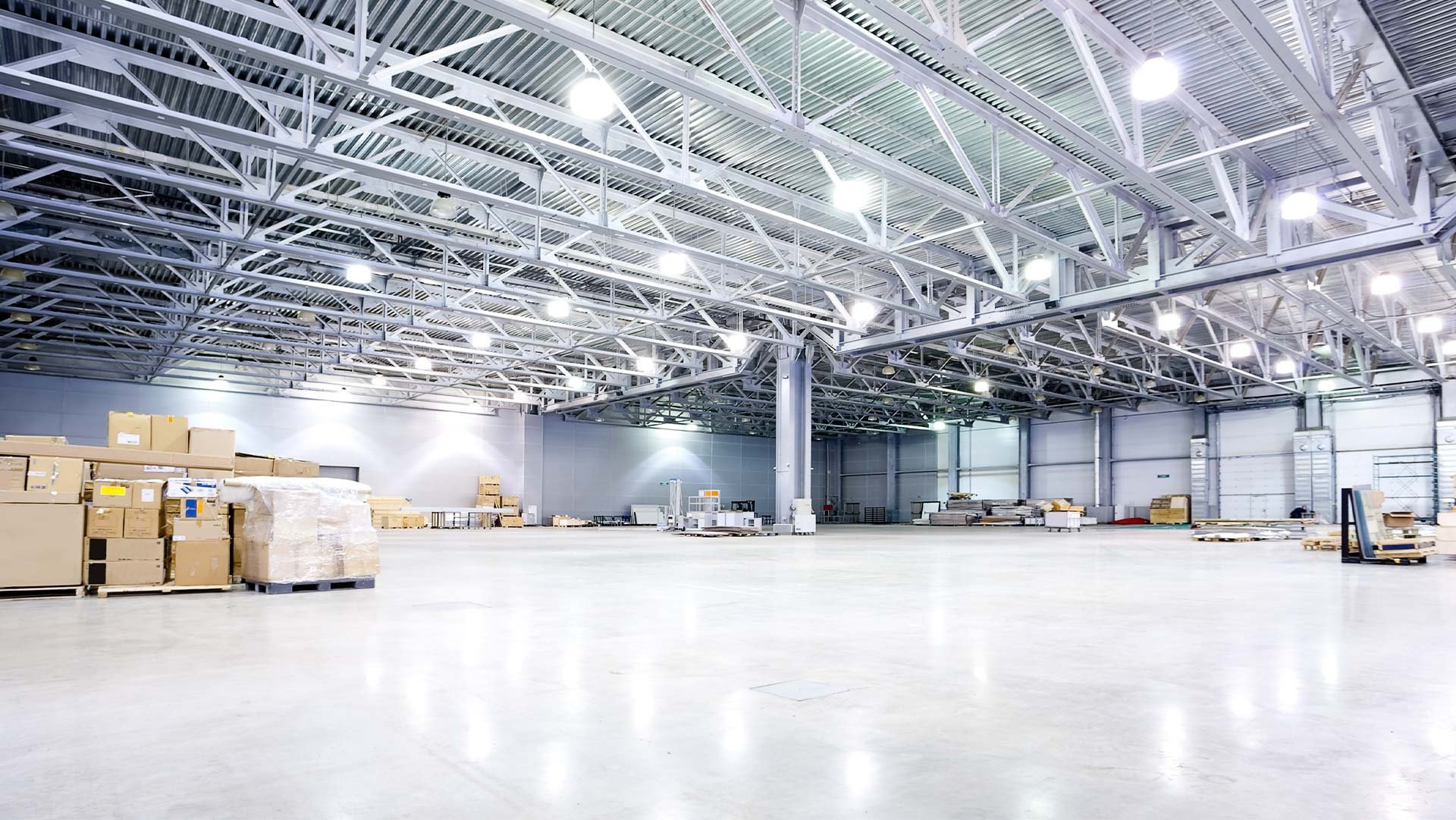
Warehousing & logistics | High bay lighting, reflective racking and long periods under artificial light. | Increased glare related fatigue and slower reaction times during long shifts. |
Laboratories & controlled environments | Intense white lighting and highly reflective, sterile surfaces. | Squinting, headaches and eye strain that can affect concentration. |
How do optical hazards affect vision?
Short- and medium-term effects of optical hazards include:
- Eye strain and visual fatigue
- Headaches
- Irritated or dry eyes
- Difficulty maintaining focus
These symptoms may seem minor, but they accumulate over time. When vision is compromised, workers are more likely to:
- Misjudge distances or edges
- Miss visual warnings or hazards
- React more slowly to moving objects
- Make handling or positioning errors
Improved visual clarity and contrast have been shown to support safer working and better decision-making, especially during precision task.

How can optical hazards be reduced?
Employers can utilise workplace controls to reduce optical hazards in the workplace such as optimising lighting and reducing unnecessary reflective surfaces.
However, many optical hazards cannot be fully eliminated through environmental controls alone. Safety eyewear plays a critical role in managing optical risks by improving visual comfort as well as providing physical protection. By reducing glare and improving clarity, the right eyewear helps lower visual effort and eye fatigue throughout the working day.
What lens tint do I need?
Clear lenses
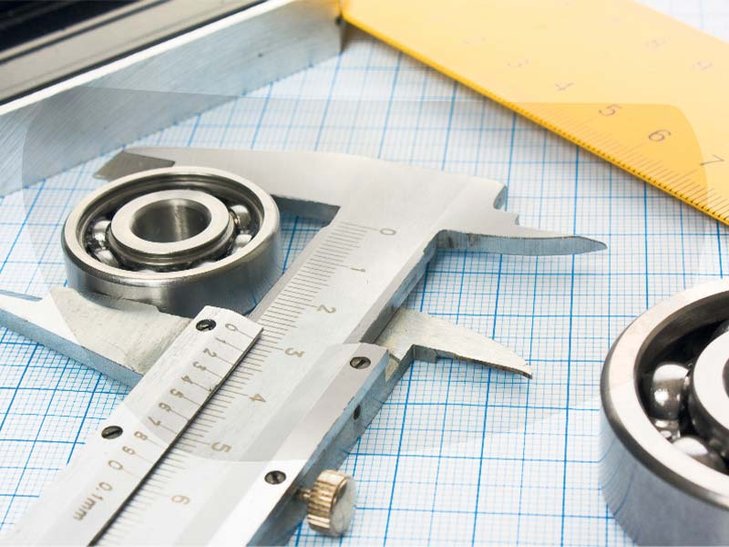
Designed for stable indoor lighting where glare and sudden light changes are minimal. Supporting natural vision in controlled environments.
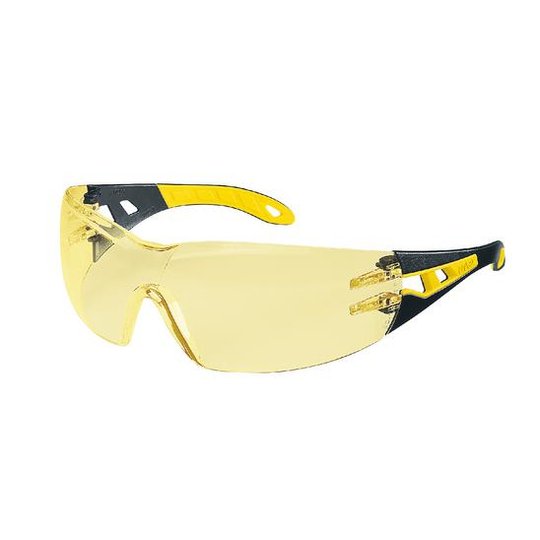
Amber lenses
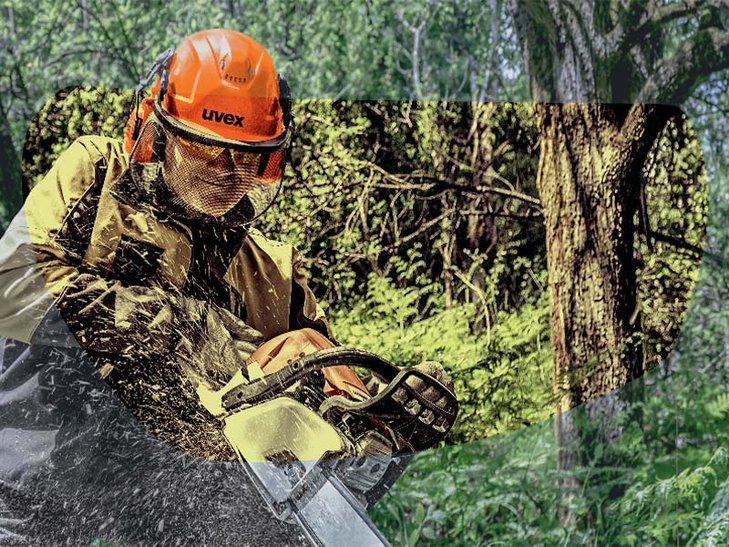
Designed for low-light and overcast conditions. By filtering blue light, they enhance contrast and keep details clear. Supporting focus in low light levels.
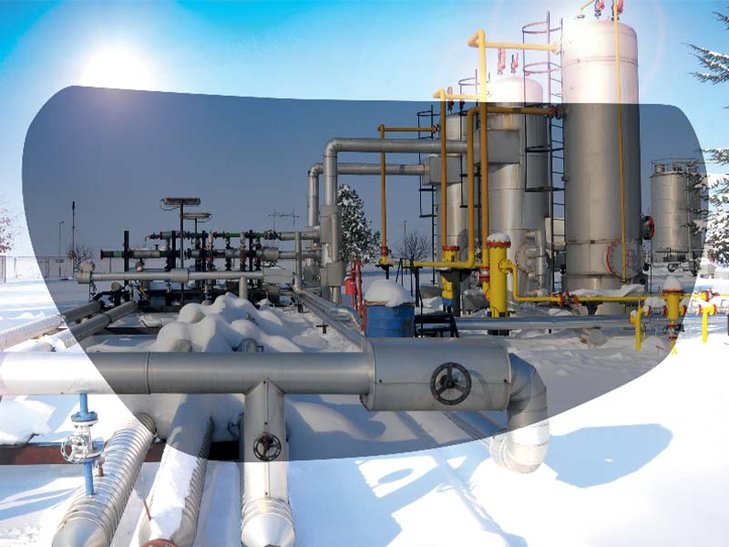
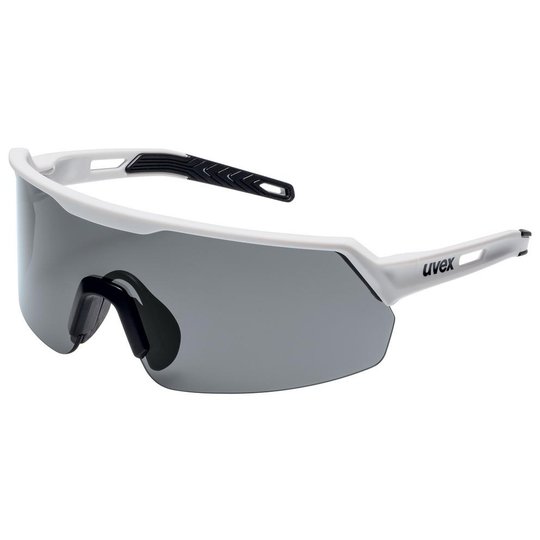
Grey lenses
Designed for consistent bright sunlight by reducing overall brightness evenly and helping to manage glare while maintaining natural colour perception.
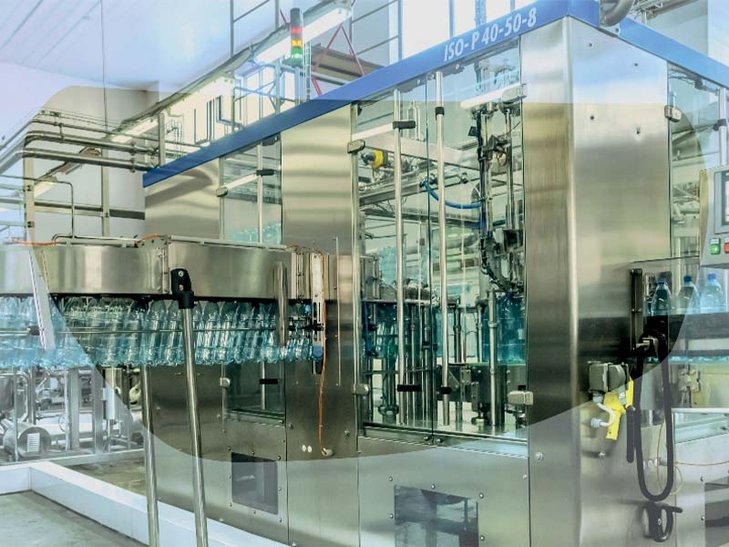
CBR65 lens tints
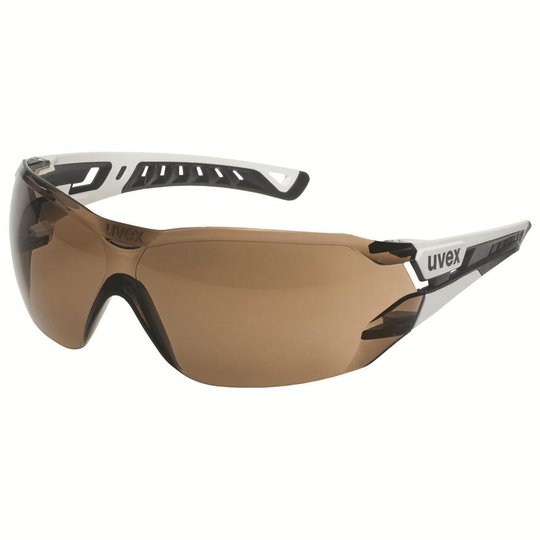
Designed for demanding light conditions, including bright artificial lighting. By filtering high-energy blue light and transmitting 65% of visible light they help wearers stay focused.
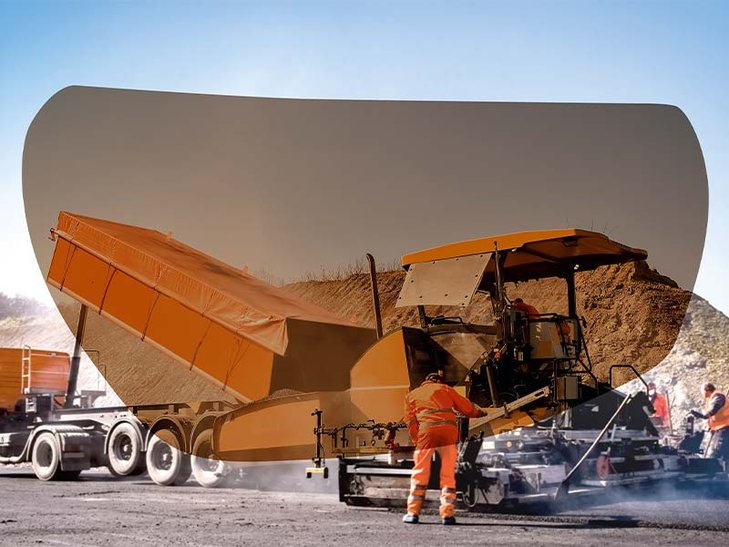
CBR23 lens tints
Designed for bright outdoor work where sunlight, glare and reflection are common. They control intense daylight by reducing blue light from the sun while maintaining clear detail and contrast.
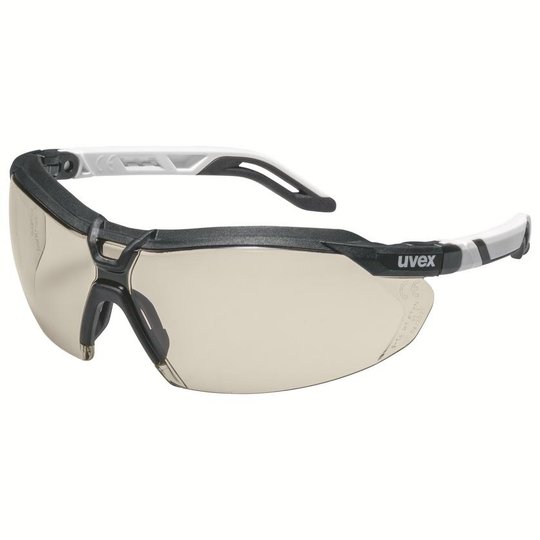
Different lens tints are suitable for different light environments. uvex offers various eyewear designs that feature tints to support your working environment ensuring workers receive the maximum value from their safety eyewear:
FAQ's
Glare from lighting, reflections from metal surfaces and exposure to intense light sources such as welding or furnaces.
Direct sunlight, reflections from glass or metal, and frequent changes between indoor and outdoor lighting.
In the UK, safety glasses protecting against glare (industrial sun glare) must conform to EN 172, while general optical hazards (impact, optical quality) are governed by EN 166. EN 170 covers ultraviolet filters, and EN 171 covers infrared filters. These standards ensure lenses provide proper filtration and mechanical strength.
Even very brief laser exposure can cause permanent eye damage, which is why certified laser eye protection is essential.