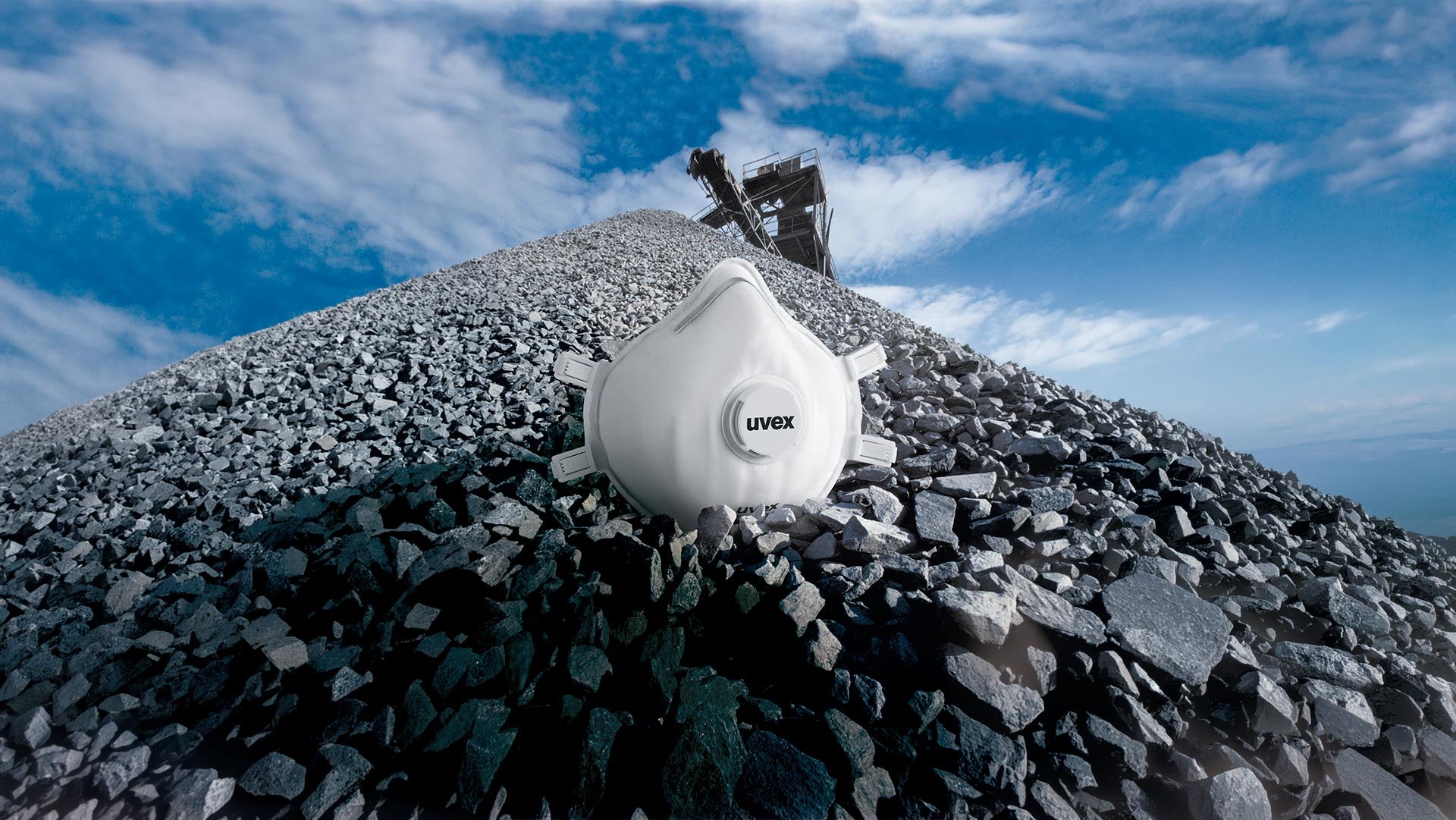
What is a filtering face mask and how is it constructed?
A filtering face mask is a form of disposable respiratory protective equipment designed to reduce the wearer’s exposure to hazardous airborne particles such as dusts, mists, fumes and aerosols. Under EN 149, filtering face masks are classified as FFP1, FFP2 or FFP3, depending on their filtration efficiency and total inward leakage.
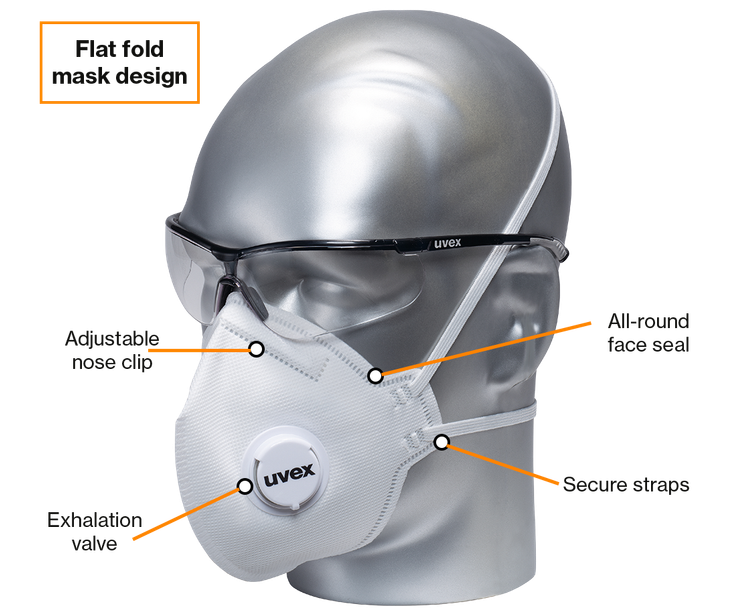
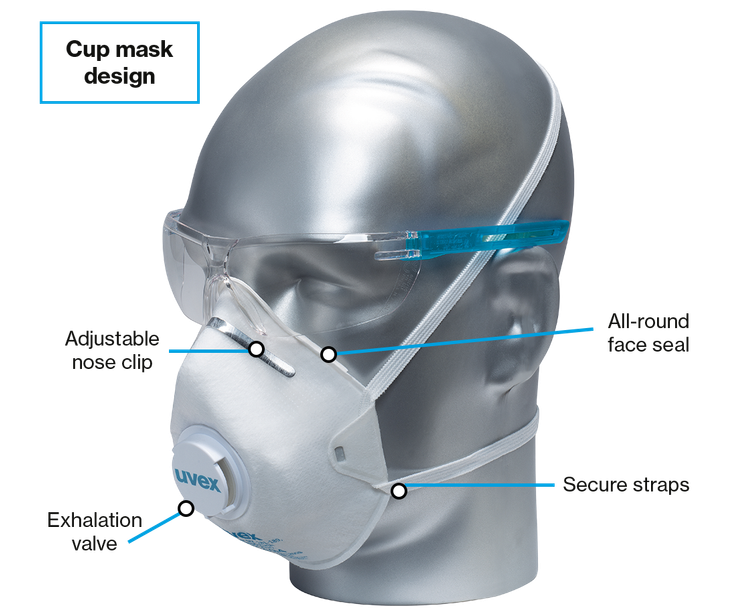
Valved and non-valved FFP1, FFP2 and FFP3 filtering face masks share the same core structure. They typically feature:
- A cup-style or flat‑fold design
Designed to sit comfortably over the nose and mouth while maintaining the shape needed for effective filtration. - Densely woven filter fabric
Several layers of filter material with an electrostatic charge capture hazardous particles as air is drawn through the mask. - A face seal
To help ensure a snug, secure fit and reduce leakage around the edges of the mask. - An adjustable nose clip
Helps the mask conform to the shape of the nose, improving fit and minimising gaps. - Secure head or ear straps
Keep the mask firmly in place during use without excessive pressure. - Exhalation valve
Present on valved models only, allowing exhaled air to escape more easily to reduce heat and moisture build‑up inside the mask, improving wearer comfort during prolonged use.
Together, these components work to ensure the mask delivers reliable filtration performance while maintaining comfort, fit and breathability for the intended working environment.
How does an exhalation valve work?
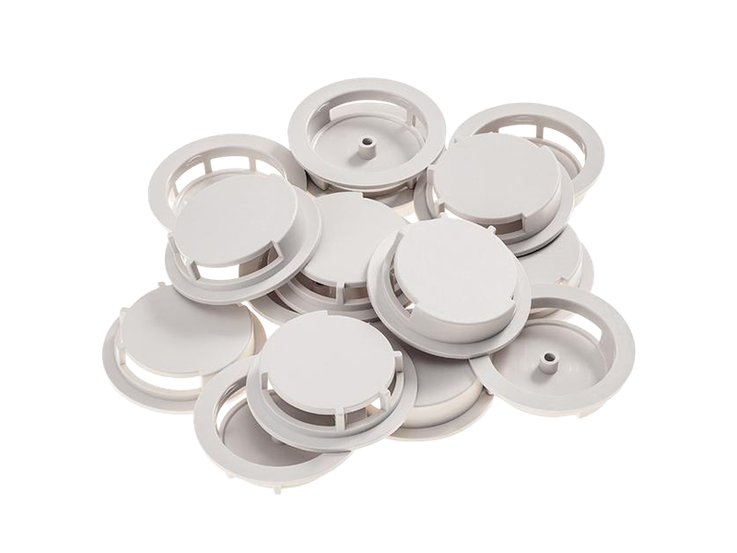
An exhalation valve is a one way component fitted to some filtering facepiece respirators. During inhalation, the valve remains closed so that air is drawn through the filter material. When the wearer exhales, the valve opens to allow air to leave the mask more easily.
In practice, this can offer several comfort related benefits:
- Reduced exhalation resistance – exhaled air exits the mask with less effort.
- Lower moisture build up – warm, humid air is released rather than passing back through the filter.
- Improved heat management – reduced heat accumulation inside the mask during work.
These characteristics can make valved masks easier to tolerate during physically demanding tasks or in warmer conditions, helping wearers keep the mask on correctly for the duration of the task.
As an example, the uvex silv Air c 3310 FFP3 folding mask incorporates an exhalation valve alongside features such as a flexible flat fold design, adjustable headband and soft sealing surfaces, supporting comfort during extended or strenuous work where a valve is considered suitable following risk assessment.
Who does a valved mask protect?
Valved masks protect the wearer by filtering inhaled air. However, because exhaled air leaves through the valve without filtration, they do not offer protection to those around the wearer. This is why valved masks are suited to environments where:
- every worker is wearing respiratory protection, and
- wearer comfort during long shifts is a priority.
Valved masks may improve comfort and tolerance over longer or more physically demanding tasks, but actual wear time should be determined by risk assessment and workplace policy. For environments where both the wearer and others must be protected such as healthcare, sterile environments or public settings non-valved masks are the appropriate choice.
Do masks with a valve offer less protection?
Valved and non‑valved filtering face masks provide the same level of protection to the wearer when they meet the same FFP classification (FFP1, FFP2 or FFP3) and are correctly fitted and worn. The filtering performance on inhalation is identical. Air breathed in by the wearer is filtered through the mask’s filter media, regardless of whether a valve is present. The valve does not bypass the inhalation filter, so it does not reduce protection against airborne hazards for the wearer.
The key difference is that:
- Non‑valved masks filter both inhaled and exhaled air
- Valved masks do not filter exhaled air

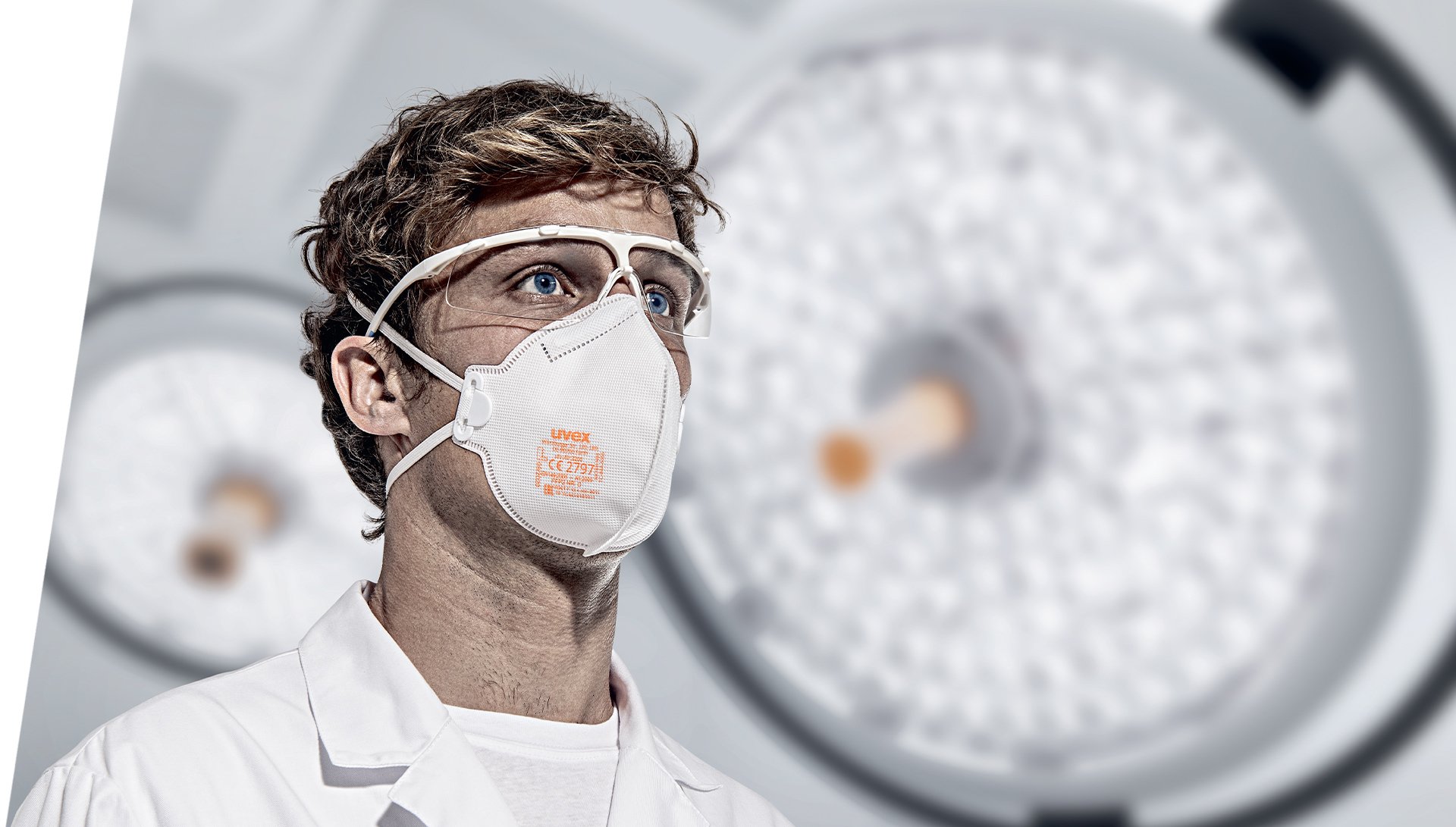
When should I choose a mask without a valve?
Non-valved masks such as those in the uvex silv Air premium series are recommended for:
- Healthcare or laboratory environments
- Public facing work
- Cleanroom or sterile environments
- Infection control settings
- Any setting where limiting exhaled particles is essential
Because all air, both inhaled and exhaled, passes through the filter material, these masks provide two way protection, safeguarding both the wearer and those nearby. The uvex silv Air premium range is designed to balance filtration performance and wearer comfort, ensuring reliable protection during prolonged use.
How to choose the right mask
When deciding between a valved and non-valved mask, the choice should be made as part of a structured RPE selection process.
Key considerations include:
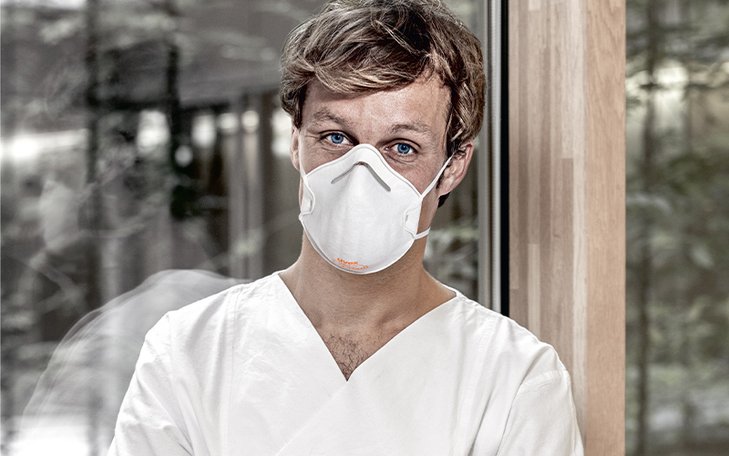
Environment
Is there a requirement to control what is exhaled into the surrounding area in order to protect others?
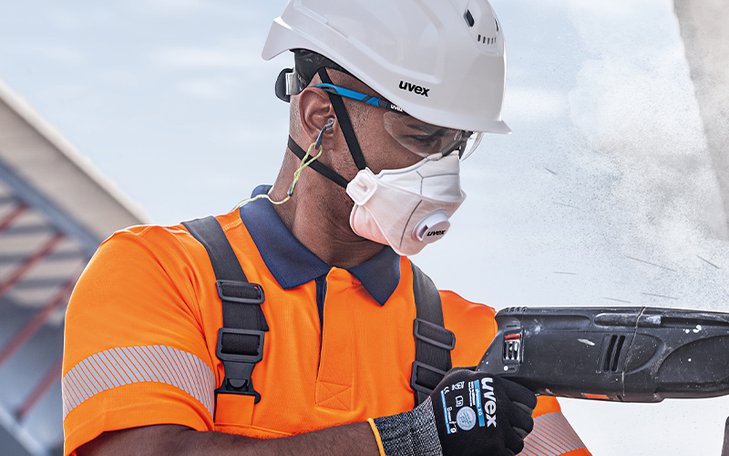
Task and work rate
Is the work physically demanding or carried out for extended periods where heat and moisture could affect tolerance?
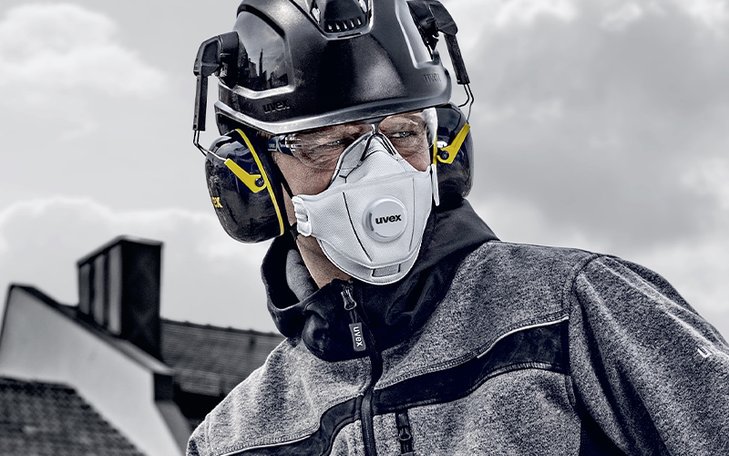
Wearer and compatibility
Does the mask fit correctly and work effectively alongside other PPE, such as safety eyewear?
If controlling exhaled air in shared or public facing environments is important, a non-valved mask may be more suitable. Where comfort during longer or more strenuous tasks is a concern and controlling exhaled air is not a requirement identified by the risk assessment, a valved mask may be considered.
Ultimately, selecting the right mask helps ensure respiratory protection is worn correctly and consistently, supporting both safety and comfort in real working conditions.

Looking for further guidance?
Choosing the right PPE can make all the difference when it comes to safety, comfort, and compliance. If you’d like tailored advice or want to trial uvex products in your environment, get in touch via our quick contact form or email marketing@uvex.co.uk.
FAQ's
No. Both valved and non-valved masks offer the same level of wearer protection when correctly fitted. The only difference is that a valved mask does not filter exhaled air. Your risk assessment should consider this information.
They can, depending on fit and design, as exhaled air must pass through the filter increasing moisture around the face. Valved masks reduce this effect.
Valved masks are not recommended for public settings because they do not filter exhaled air, meaning they only protect the wearer and not those around them. For environments where you must protect both yourself and others such as public transport, retail spaces or shared indoor areas a non-valved mask is the appropriate choice.
Yes. Both valved and non-valved filtering facepiece respirators undergo the same testing and certification processes to ensure they meet the required protection levels for the wearer. The presence of a valve does not reduce filtration efficiency for inhaled air.