| 85 dB | City traffic | 8 hours | ||||||||||||||||||||||||||||||||||||||||||||||||||||||||||||||||
| 88 dB | Bulldozer | 4 hours | ||||||||||||||||||||||||||||||||||||||||||||||||||||||||||||||||
| 91 dB | Jazz concert | 2 hours | ||||||||||||||||||||||||||||||||||||||||||||||||||||||||||||||||
| 94 dB | Lawn mower | 1 hour | ||||||||||||||||||||||||||||||||||||||||||||||||||||||||||||||||
| 97 dB | Nightclub | 30 mins | ||||||||||||||||||||||||||||||||||||||||||||||||||||||||||||||||
| 100 dB | Ambulance siren | 15 mins | ||||||||||||||||||||||||||||||||||||||||||||||||||||||||||||||||
| 103 dB | Rock concert | 7.5 mins | ||||||||||||||||||||||||||||||||||||||||||||||||||||||||||||||||
uvex hearing protection
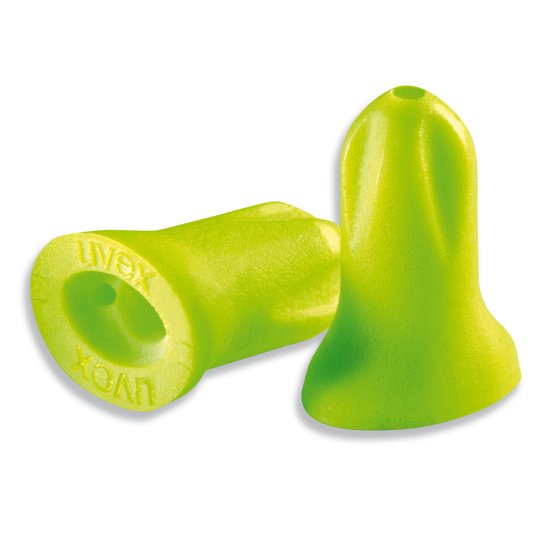
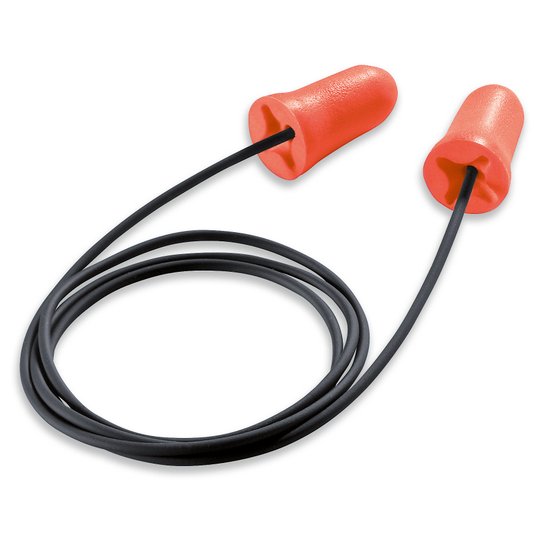
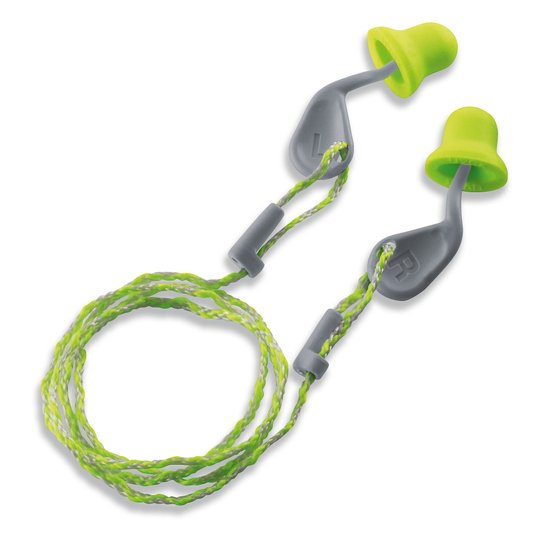
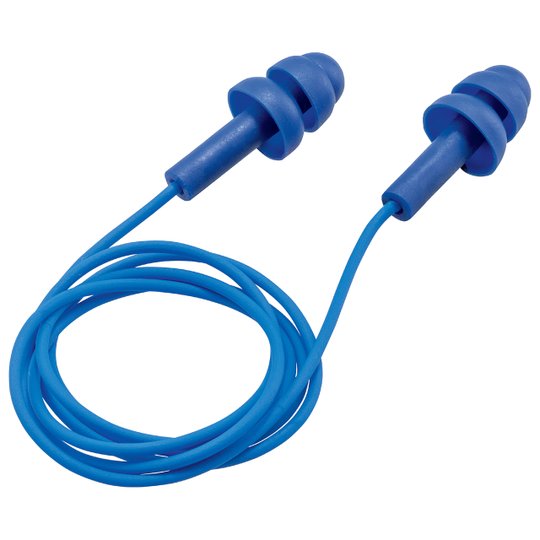
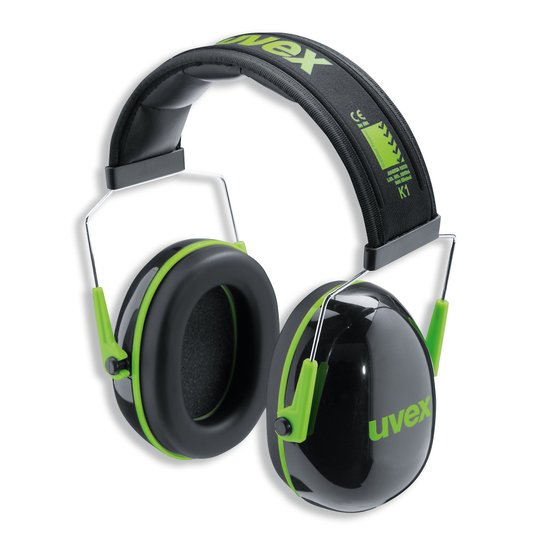
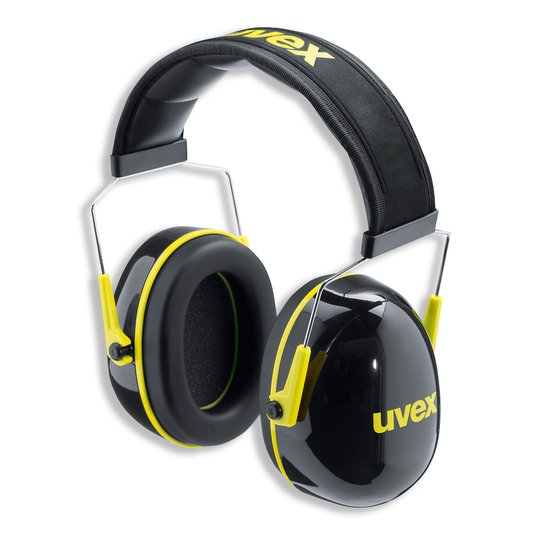
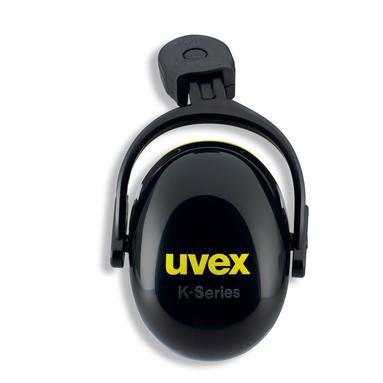
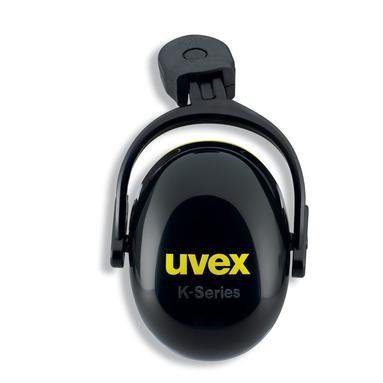
Choosing the right protection depends on the noise level, work environment, and required level of communication. uvex offer a full range of hearing protection solutions, including innovatively shaped and extremely comfortable disposable earplugs, with patented x-grip shaping for easy and safe removal; reusable earplugs conveniently attached to a handy cord, designed to be cleaned easily and hygienically stored in individual carrying cases; detectable earplugs designed to be picked up both visually and by machines, thanks to their striking blue colour and metal ball; and highly compatible ear muffs, with soft memory foam cushions for extra comfort and lightweight, balanced designs.
Next steps
It is crucial that hearing protectors are fitted correctly and worn when they need to be otherwise we almost might as well not bother. This is where the importance of proper information, education and training is vital for wearers. uvex offers effective training packages which highlight the health benefits of protecting employees from hearing loss. Following a noise assessment, our professionals are available to guide you through the process of selecting the right hearing protection based on noise exposure levels and delivering training to ensure correct fitting for maximum protection and comfort. To find the right hearing protection for your workplace noise levels contact our PPE Solutions Experts.
FAQ's
No. Once the hair cells in the inner ear are damaged, they do not grow back. While the effects cannot be reversed, further damage can be prevented with proper hearing protection.
Workers in loud environments—such as manufacturing, construction, transportation, emergency services and live events—are at the highest risk. However, recreational activities like concerts, motorsports and using headphones at high volume can also contribute.
Key prevention measures include:
- Wearing appropriate hearing protection (earplugs or earmuffs)
- Reducing exposure time in loud environments
- Using engineering controls to reduce workplace noise
- Regular hearing checks, especially for high-risk workers
No, but tinnitus (ringing or buzzing in the ears) is often an early indicator of NIHL. It can occur alongside hearing loss or as a standalone condition.
Yes. Employers have a legal duty to protect workers from harmful noise levels by assessing risks, implementing noise control measures and providing suitable hearing protection where required.