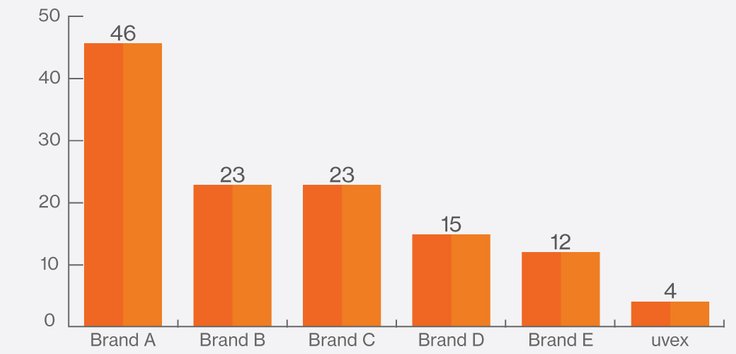
What makes uvex different from other PPE manufacturers?
Increasing product life with uvex lens coatings
Protective eyewear is often used in harsh working environments, so the lenses are usually coated to increase their efficacy and longevity. This coating is more important than you might think and is a key factor in ensuring the eyewear is worn - and protecting the wearer. For maximum effectiveness, lens coatings should offer resistance against fogging and scratching.
Coatings can be either:
- hydrophobic (moisture repelling) detergent-based coatings (which can be washed off) or
- hydrophilic (moisture absorbing).
A hydrophobic coating repels moisture which ultimately leads to a build up of perspiration on the lens, which in turn requires cleaning to remove it. Eventually, depending on the quality of the coating, the detergent properties will be washed from the lens, rendering it ineffective.
Hydrophilic coatings can be produced that are permanent and do not wash off. The coating becomes sponge-like, absorbing moisture so that the wearer does not have to take off their glasses or goggles to clear any fog.
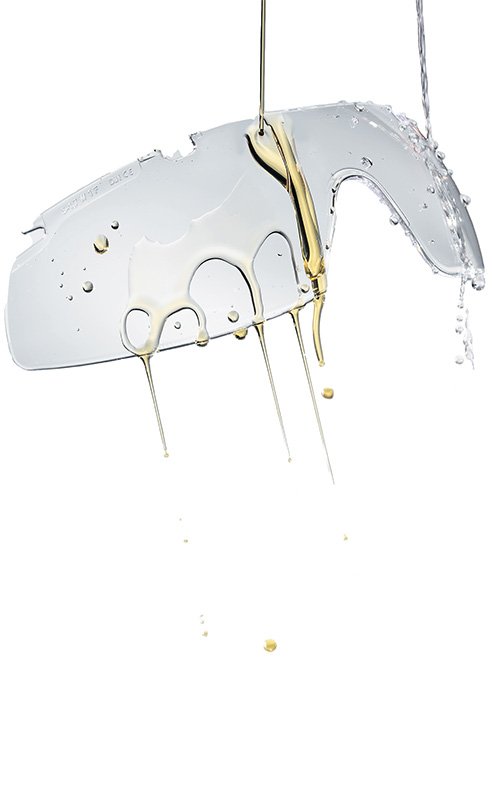
The role of standards: anti fog (N) and anti scratch (K) tests
Safety eyewear isn’t just about impact resistance. Lens performance against fogging and surface damage matters for visibility, comfort and service life.
- K marking (scratch-resistance): Lenses tested for resistance to surface damage by fine particles carry K
- N marking (antifog): Lenses that remain fog free for a defined minimum when exposed to warm, humid conditions carry N.
Both are optional markings derived from the non optical test methods in EN 168 and related standards—which means not all eyewear offers them. Choosing eyewear with K and/or N can directly improve durability and cost in use.
Standards are evolving
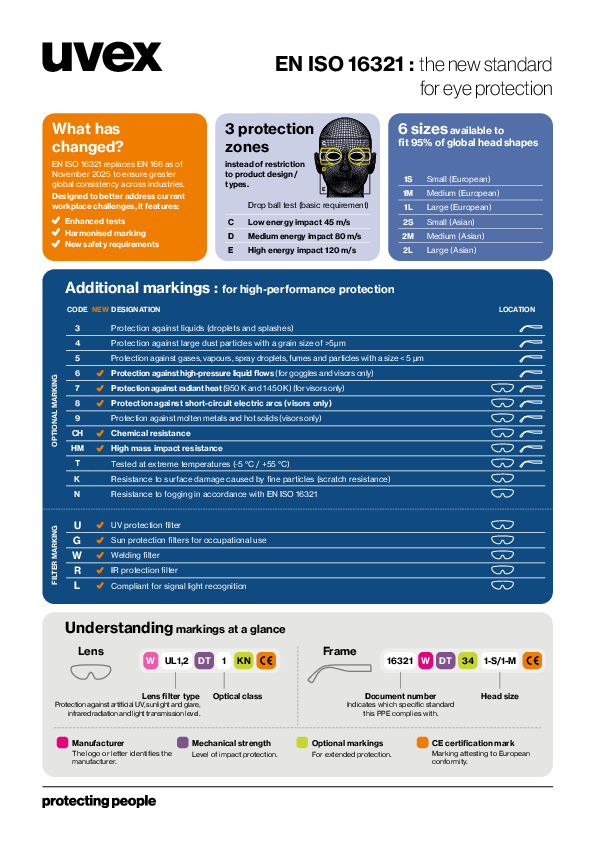
While EN 166 long defined core eyewear requirements, the EN ISO 16321 series is now the harmonised framework for occupational eye and face protection in Europe. From 11 November 2025, new products and renewed certificates transition to EN ISO 16321, which consolidates and updates requirements previously spread across EN 166/169/170/171/172. Always check the product documentation for the current conformity route.

Comfort and compliance: why WEARABILITY reduces total cost
Eyewear is only protective - and cost effective - when it’s actually worn. uvex frames and coatings are designed around WEARABILITY (comfort, fit, performance and style) to support day long use. Better wearability boosts compliance, reduces injury risk, and minimises unplanned replacements - all of which influence cost in use. If you need help choosing the right model, see our [safety eyewear range] and resources (lens tinting, anti fog coatings, prescription options) tailored to task and environment.

Environmental and operational impacts of frequent replacement
Every discarded pair adds to waste handling, purchase admin, and downtime for swapping kit mid shift. Reducing consumption through durable coatings and quality materials helps lower waste volumes and keeps teams productive—practical benefits that don’t appear on a price list but do show up in your annual budget and ESG metrics.

Risk context: why reliable eye protection matters
Workplace injuries carry human and financial costs. HSE’s official statistics detail the scale of work related ill health and injury in Great Britain, including the economic cost of workplace injuries - a reminder that preventing incidents is far less costly than dealing with consequences. Selecting eyewear that supports consistent wear and clear vision is a small change with outsized impact.
FAQ's
Price is the unit cost. Cost in use is what you actually spend over time after accounting for durability, coating performance, compliance and replacements. Products with longer lasting coatings generally require fewer replacements, reducing total spend and waste.
If your environment involves humidity, temperature swings or frequent cleaning, N helps maintain clear vision and consistent wear; K helps lenses resist surface damage from fine particles and cleaning, extending service life. Both markings come from optional test methods referenced alongside EN 168.
For occupational eye protection, the EN ISO 16321 series is now the harmonised standard suite in Europe. As of 11 November 2025, new products and renewed certificates use EN ISO 16321; legacy EN 166 appears on existing certified products. Always confirm the markings and user instructions.
Fogging, scratching and glare are common reasons wearers remove eyewear. Permanent anti-fog and scratch-resistant coatings improve visibility and comfort, supporting all day wear and reducing unplanned replacements - key contributors to lower cost in use.
Next steps
If you have any questions about purchasing safety eyewear, contact your local uvex representative who will be happy to help:
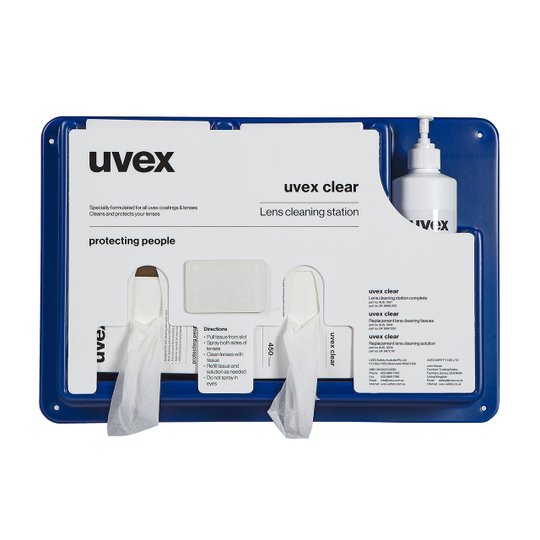
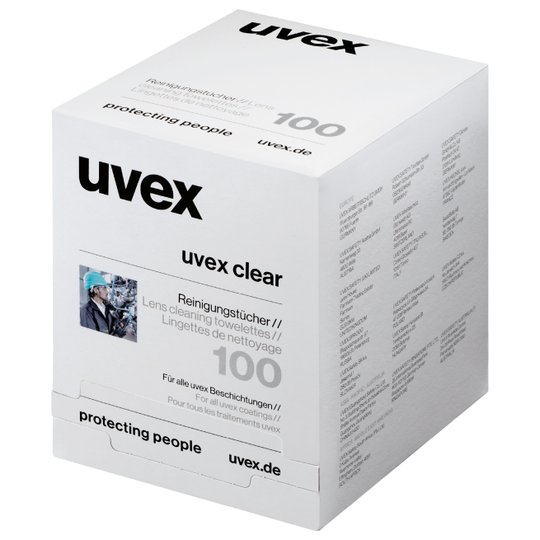
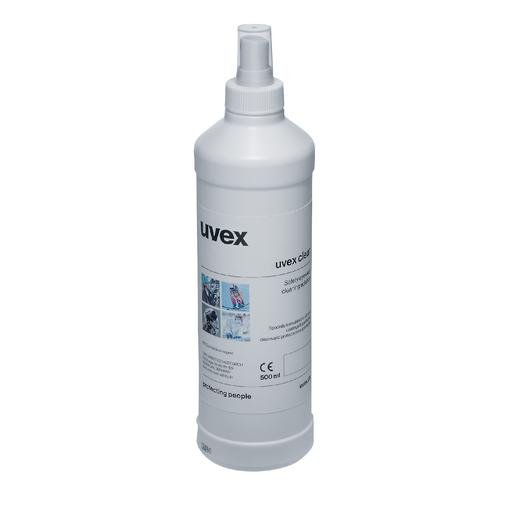
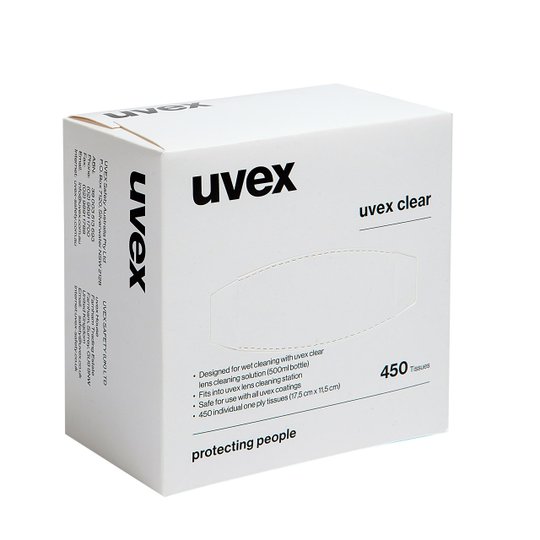
uvex eyewear cleaning accessories
To keep your safety glasses usable for longer, we have developed a range of lens cleaning products and accessories. To store your safety eyewear correctly we offer a range of cases and microfibre cases. Remember, only use uvex cleaning products to clean the lenses on uvex eyewear. This is essential to preserve the performance of the uvex supravision coatings.