What EN 397 means
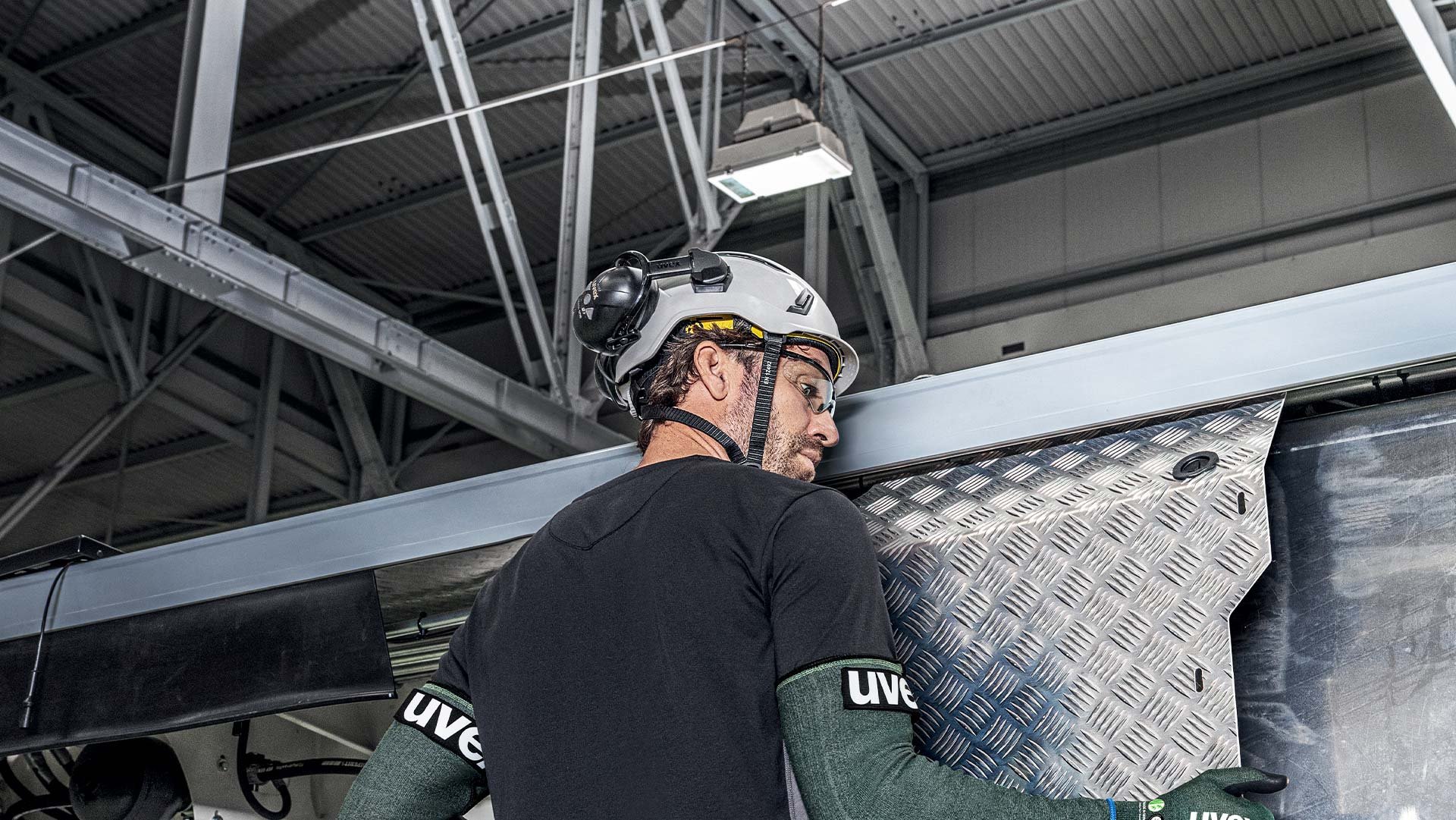
EN 397 is the long-established mandatory standard for industrial safety helmets used in construction, warehousing, production, logistics and most general work environments.
While EN 397 does not require protection against impacts to the sides, front or rear it is there to ensure protection from impacts on the top of the head. Some helmets undergo additional optional testing for example, extreme temperature resistance, molten metal splash protection, or electrical insulation (when tested separately under EN 50365).
Chinstrap requirement
A chinstrap is not compulsory under EN 397. However, if one is fitted, it must release between 150–250 N, to prevent it from snagging on machinery or other hazards.
Helmets certified to EN 397 are designed to protect you from:


What EN 12492 means
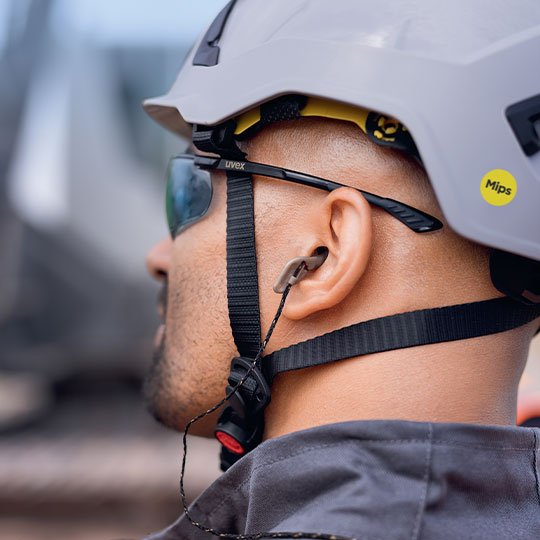
EN 12492 was originally created for mountaineering but is now widely used for professional work at height.
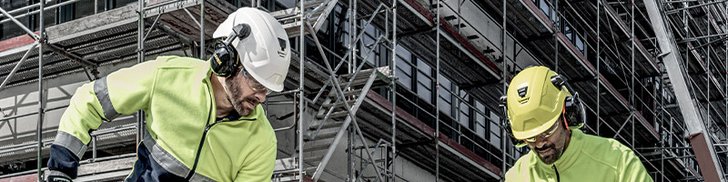
This makes EN 12492 helmets particularly suitable for telecommunications, scaffolding, arboriculture and rescue work tasks.
If your work involves any risk of slipping, swinging or exposure to impact from more than one direction, this is typically the standard you need.
Chinstrap requirement
A key feature of EN 12492 is its high strength chinstrap, which must not release under at least 500 N.
This ensures the helmet stays firmly on your head during a fall or sudden movement.
These helmets are tested for impact on the:

| Feature | EN 397 (Industrial) | EN 12492 (Work at height) |
| Impact protection | Vertical (top) impacts only | Front, side, rear and crown |
| Chinstrap performance | Optional, must release at 150–250 N | Mandatory, must NOT release under 500 N |
| Typical use | Construction, warehousing, manufacturing | Telecoms, scaffolding, climbing, rescue |
| Designed for | Protection against falling objects | Protection against slips, swings and multidirectional impacts |
In simple terms:
EN 397 is required for industrial helmets. EN 12492 is added where workers face height related or multi directional impact risks. Many workplaces now require both.
What’s new: EN 397:2025 update
The EN 397 standard has been updated to better reflect how modern workplaces operate. Today, many environments require both traditional industrial protection and more advanced performance similar to height work helmets. The revised EN 397:2025 standard introduces clearer categories with two helmet types:
Type 1 - Helmets provide protection by reducing the force of impact from vertical blows to the top of the head, for ground level work.
Type 2 - Helmets offer enhanced multi directional impact protection to both the top and sides of the head, for height related tasks.
Other key updates
- Type 2 helmets now tested for off crown and side impacts
- Updated chinstrap requirements (optional for Type 1 if implemented and must release above 150 N, mandatory for Type 2 and must release above 500 N)
- Electrical insulation now follows EN 50365:2023
- A new 650°C ignition test
- Improved ergonomic tests including bending, turning and head movement
These updates help ensure helmets provide more realistic protection whether working at ground level or at height.
A major development: accessories must now be tested with the helmet
One of the most important EN 397:2025 updates is the requirement that accessories must be tested together with the helmet, not independently. This ensures:
- No reduction in protection when accessories are attached
- No unexpected interaction between visor mounts, ear defenders, lamps or brackets
- Full certification of the helmet + accessory combination
Because uvex designs and manufactures PPE across multiple categories, we can offer fully compatible helmet–accessory systems. This includes:
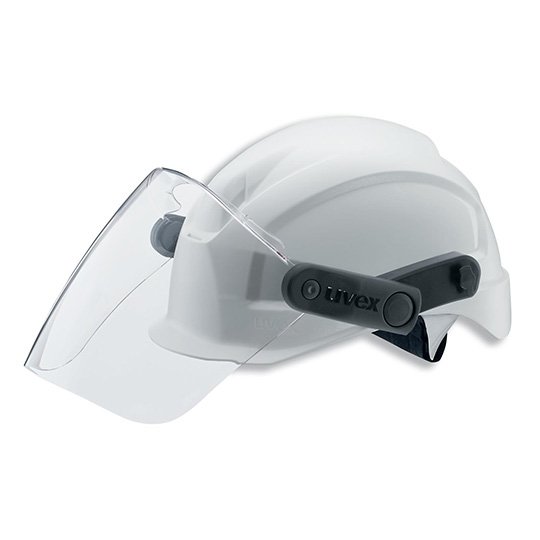
uvex pheos visor system
Mechanical protection, high visibility visors, mesh visors
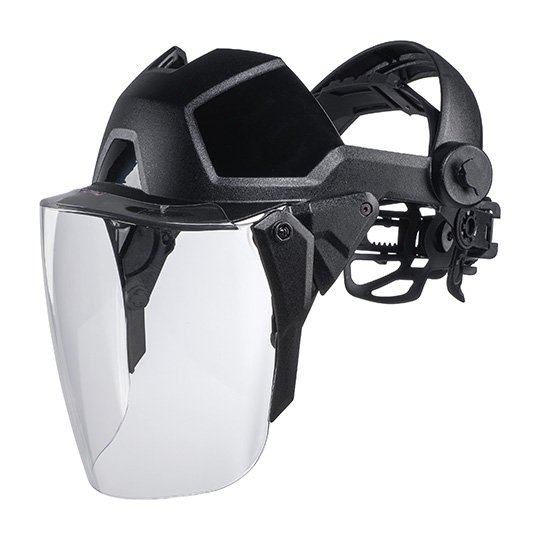
uvex pheos faceguard system
Full face impact protection for industrial or forestry environments
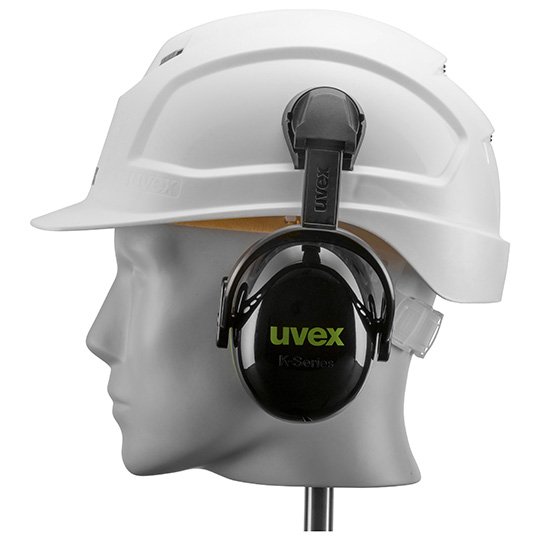
Hearing protection for helmets
Helmet mounted earmuffs specifically engineered to fit uvex helmet slots
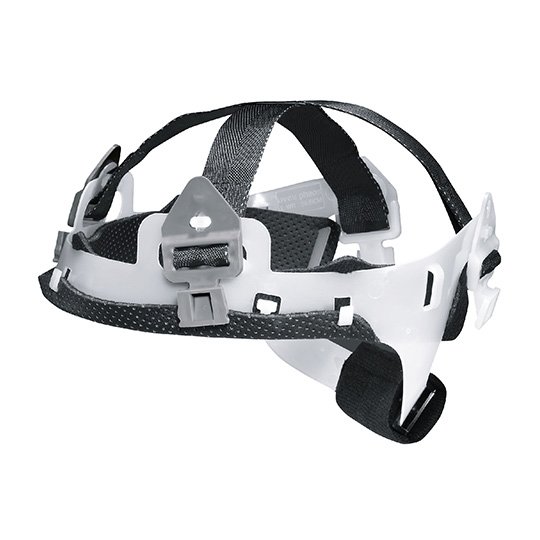
Integrated adapters, chinstraps, sweatbands
designed to maintain proper fit and compliance
As testing requirements become more stringent, having a single manufacturer supply the full system provides a clear safety and compliance advantage.
What is the uvex solution?
Modern workplaces often require helmets that can meet different safety expectations depending on the task. uvex addresses these demands by offering a full range of helmets designed for both industrial and height related hazards.
uvex pronamic alpine
Both Standards (EN 397 + EN 12492)
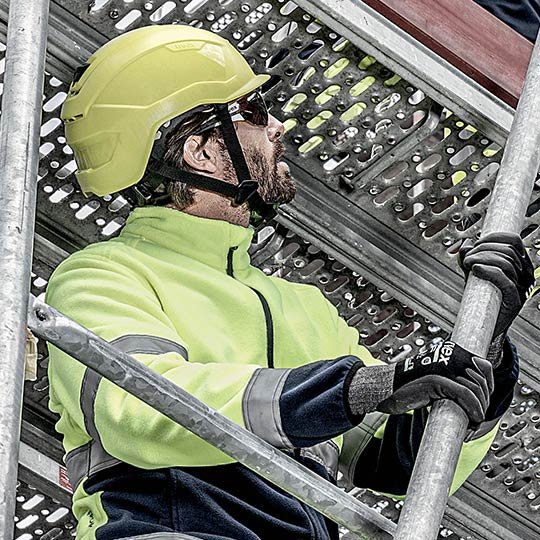
The uvex pronamic alpine combines the strengths of both standards. It provides the industrial protection required under EN 397, including reliable vertical impact performance, while also delivering the multi directional impact protection and high strength chinstrap demanded by EN 12492. With its secure four point chinstrap, comfortable wheel ratchet adjustment and full compatibility with uvex accessory systems such as visors and hearing protection, it is an excellent choice for workers who operate between ground level and height related tasks.
uvex EN 397 helmets
Industrial protection
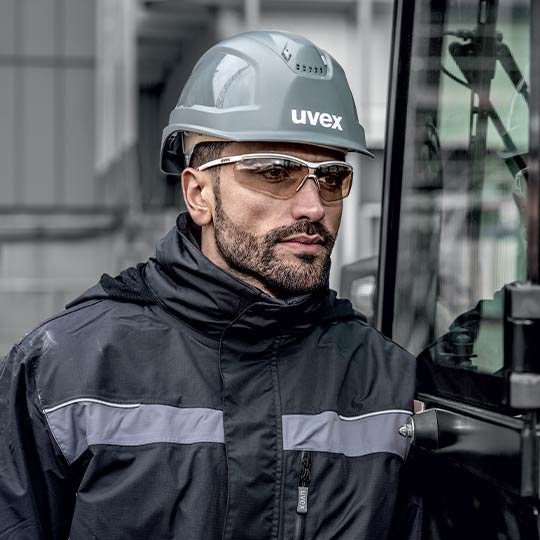
For traditional industrial environments, uvex offers EN 397 certified models such as the uvex pheos B and uvex pheos B S WR. These helmets provide dependable vertical impact protection and can include optional features like lateral deformation resistance, low temperature suitability or molten metal splash protection. These options allow safety managers to choose a helmet tailored to their specific environment while maintaining uvex’s reputation for ergonomic design, comfort and reliable protection.
Looking for further guidance?
Choosing the right PPE can make all the difference when it comes to safety, comfort, and compliance. If you’d like tailored advice or want to trial uvex products in your environment, get in touch via our quick contact form or email marketing@uvex.co.uk.
FAQ's
Yes. Helmets like the uvex pheos pronamic alpine and the uvex pheos alpine meet both standards.
Yes they remain valid until their individual certification expires.
Choose EN 12492 or EN 397:2025 Type 2 depending on your work and site requirements.
Look inside the helmet shell or check the product documentation.