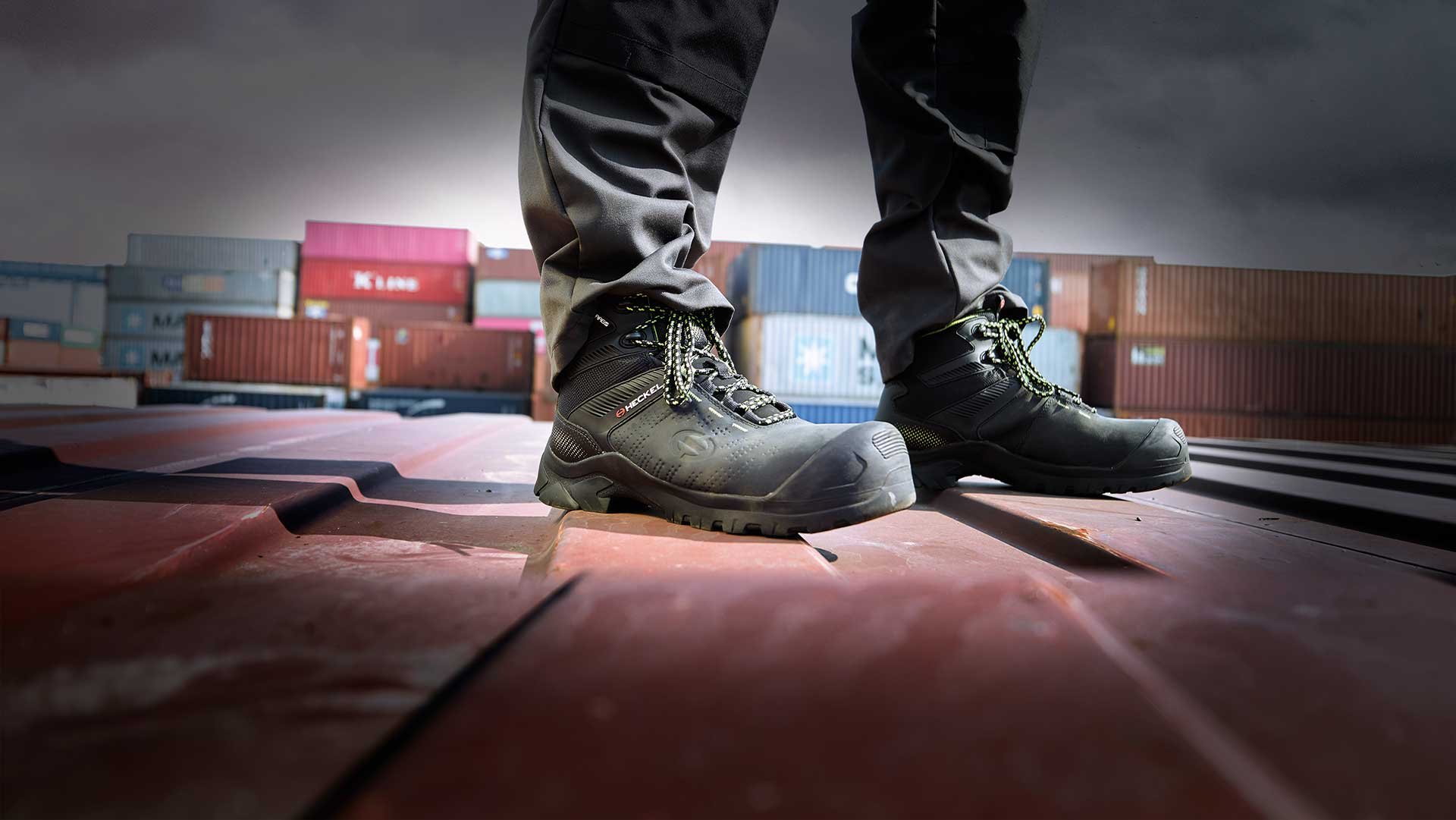
What are toe caps and midsoles in safety footwear?
Safety footwear is designed to protect against common workplace hazards, including impact, compression, and underfoot risks.
- Toe caps protect the front of the foot from falling objects and crushing injuries
- Penetration-resistant midsoles protect the sole of the foot from sharp objects such as nails or glass
Both components must meet the requirements of EN ISO 20345, ensuring a minimum level of protection regardless of material.
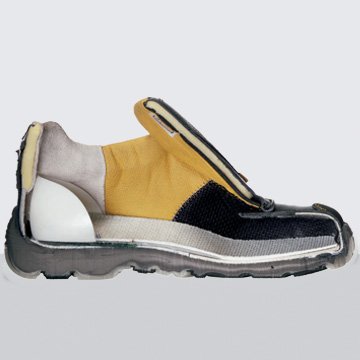
Steel toecaps and midsoles
Steel has long been the standard material in safety footwear due to its strength and durability.
Key benefits of steel:
- High level of protection against impact and compression
- Slim profile, allowing for a more compact design
- Proven performance across a wide range of environments
Considerations:
- Heavier than alternatives, which may contribute to fatigue over long shifts
- Conducts heat and cold, potentially impacting comfort in extreme temperatures
- Metallic, which can trigger security scanners in certain environments
Steel midsoles also offer strong protection against underfoot hazards, but tend to be more rigid than textile alternatives.
Composite toecaps and midsoles
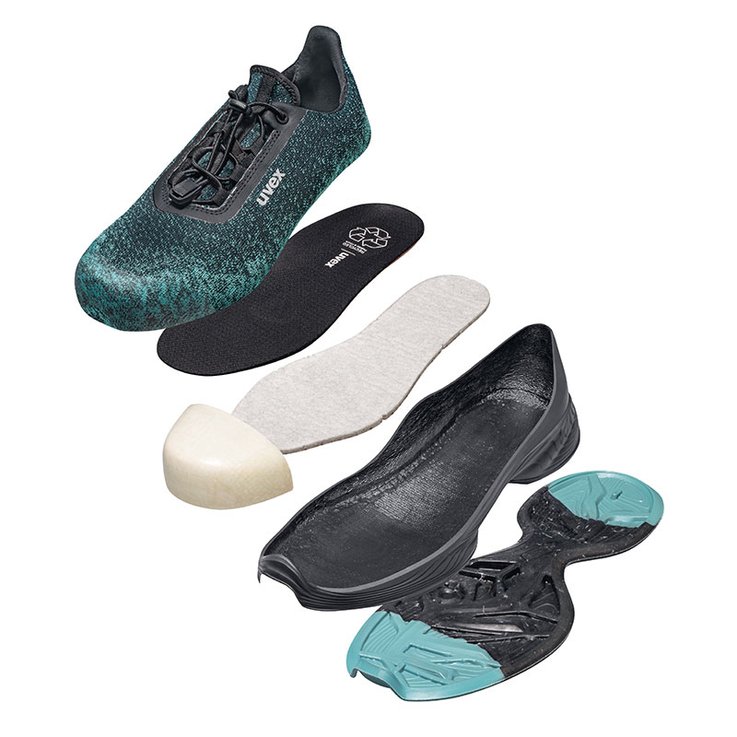
Composite materials include a range of non-metallic options such as fibreglass, carbon fibre, or advanced plastics.
Key benefits of composite:
- Lightweight construction, helping to reduce fatigue
- Non-metallic, ideal for environments with security screening or electrical risks
- Thermally insulating, improving comfort in hot or cold conditions
- Flexible midsoles, particularly when using textile penetration-resistant layers
Considerations:
- Slightly bulkier toe caps compared to steel in some designs
- May vary in thickness depending on the required protection level
Despite these differences, composite toe caps and midsoles are tested to the same safety standards as steel, ensuring equivalent protection when certified.
Steel vs composite: which should you choose?
The choice between steel and composite comes down to your specific working environment and wearer needs.
Choose steel if:
- You require a slim, compact fit
- You work in heavy-duty environments where durability is key
- Weight is less of a concern
Choose composite if:
- You prioritise lightweight comfort for long shifts
- You work in temperature-sensitive environments
- You need metal-free footwear for security or electrical applications
- You want greater flexibility underfoot
Do both materials meet safety standards?
Yes. Both steel and composite toe caps and midsoles must meet the requirements of EN ISO 20345:2022.
This includes:
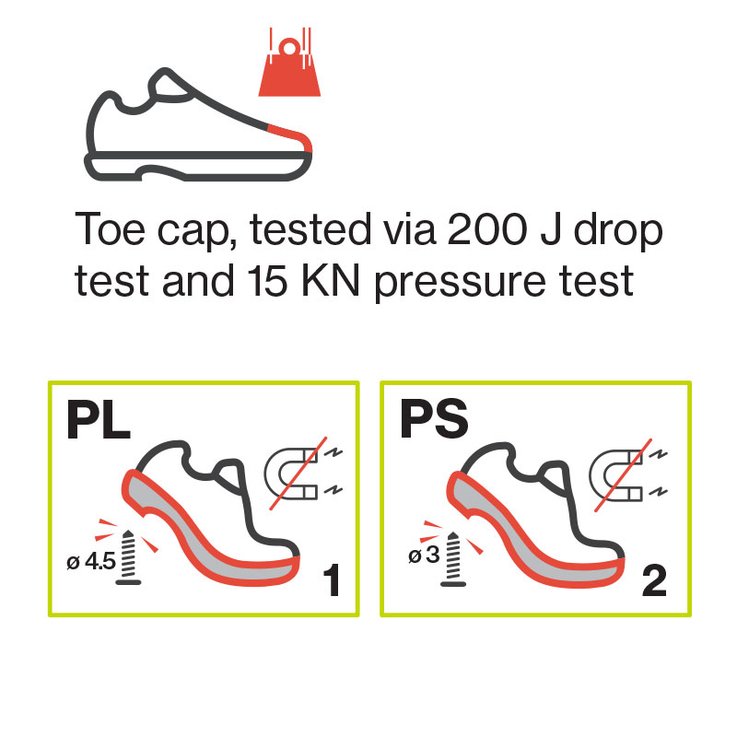
- Toe cap protection tested to withstand 200 joules of impact
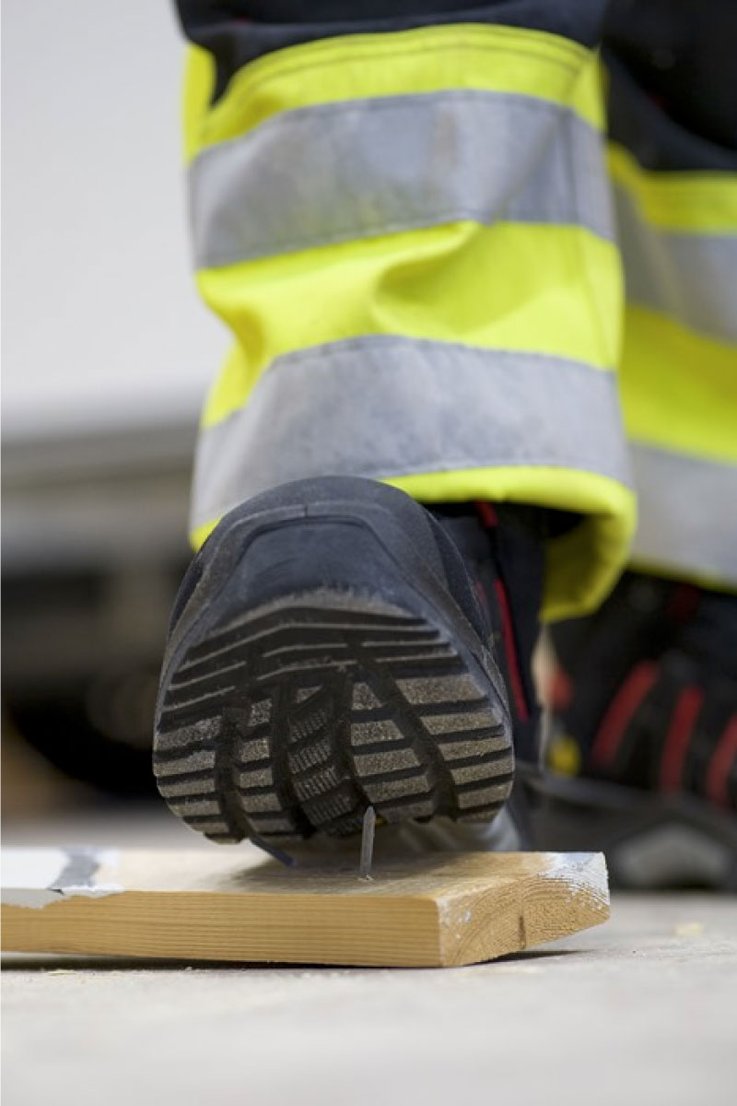
- Penetration resistance for midsoles against sharp objects
As long as the footwear is certified, the level of protection is consistent - regardless of material.
Comfort and performance considerations
Beyond safety, comfort plays a vital role in ensuring PPE is worn correctly and consistently. Composite materials are often preferred where:
- Long periods of standing or walking are required
- Workers are exposed to fluctuating temperatures
- Flexibility and reduced weight improve mobility
Steel components, however, continue to offer reliable performance in demanding industrial settings.

Looking for further guidance?
Choosing the right PPE can make all the difference when it comes to safety, comfort, and compliance. If you’d like tailored advice or want to trial uvex products in your environment, get in touch via our quick contact form or email marketing@uvex.co.uk.
FAQ's
Yes. Composite toe caps are tested to the same safety standards as steel toe caps under EN ISO 20345, meaning they provide equivalent protection against impact and compression when certified.
The main advantage is reduced weight, which can improve comfort and reduce fatigue over long periods of wear. Composite materials also offer thermal insulation and are non-metallic.
Yes. Steel toe caps are metallic and can trigger metal detectors, whereas composite toe caps are metal-free and suitable for secure environments such as airports or data centres.
Composite (textile) midsoles are often more flexible and lightweight, improving comfort and mobility. Steel midsoles, however, are typically more rigid and may be preferred in heavy-duty applications.
Composite materials are usually better suited to cold environments as they do not conduct temperature in the same way as steel, helping to keep feet warmer.
Yes. Because composite materials are non-metallic, they are often suitable for environments where electrical hazards are present, depending on the footwear’s certification.