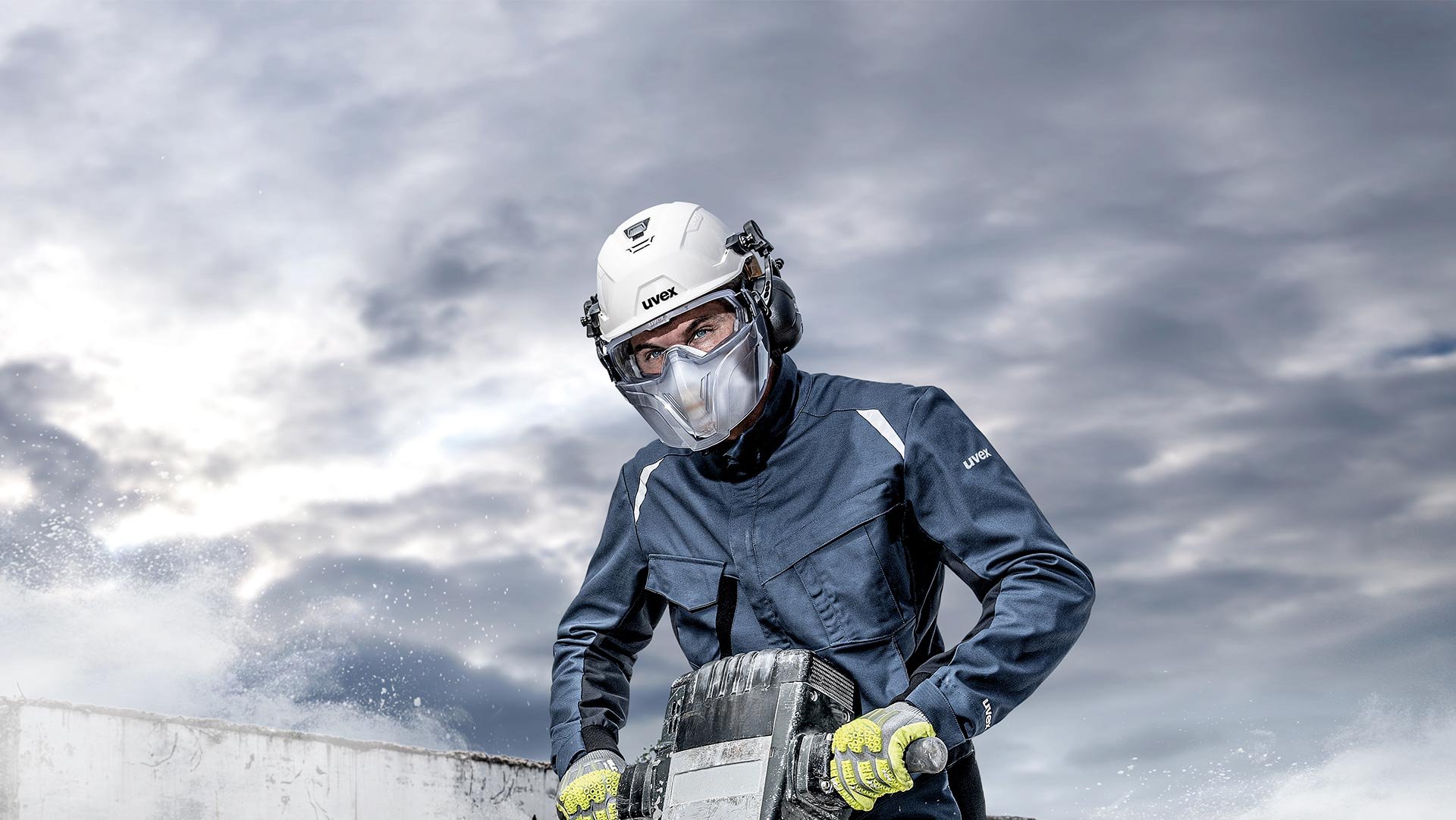
What is “closed eye protection”?
And when do you need it?
“Closed eye protection” generally refers to goggles that seal around the eyes (often with a face seal and strap), helping to reduce exposure from airborne particles and splashes that can bypass open-frame spectacles.
Selection should always be driven by your risk assessment, the hazard type, and compatibility with other PPE.
Common eye hazards include:
- Liquid and chemical splashes
Goggles create a full, airtight, or liquid-tight seal around the eyes, preventing hazardous liquids from dripping or splashing in from the sides. - Fine dust and gases
Spectacles cannot stop fine particulates, smoke, or gases. You need gas-tight or dust-resistant goggles (marked Class 4 for coarse dust or Class 5 for gas/fine dust) for these environments. - High-speed flying debris
If your work involves heavy grinding, chiselling, or machining, particles can ricochet behind spectacles. Goggles offer a secure barrier and a higher mechanical impact rating.
How does face protection reduce injury risks in industrial jobs?
Industrial tasks can expose workers to multiple, overlapping hazards - for example, flying fragments, fine dust, liquid splashes and irritant vapours.
The right face protection reduces risk in three main ways:
1. It creates a physical barrier between hazards and the eyes/face
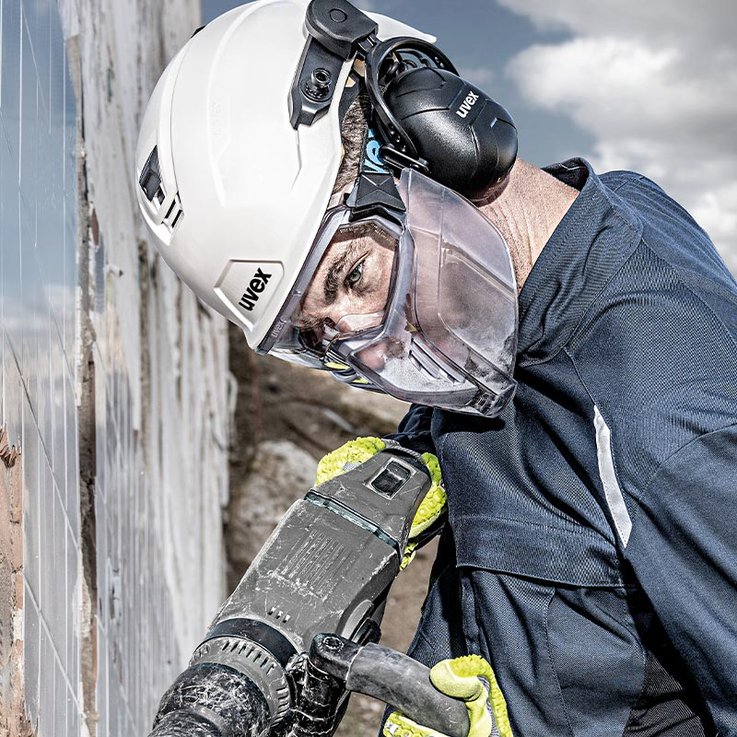
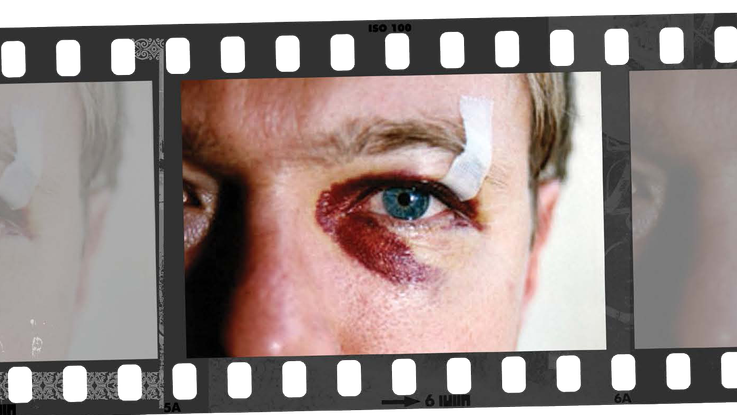
Many eye injuries occur when small particles (dust, cement chips, metal slivers, wood chips) strike or scrape the eye; other risks include penetration injuries and chemical burns. Protective eyewear (including goggles and face shields) helps reduce exposure to these hazards when used correctly.
2. It supports correct coverage — including side/peripheral exposure
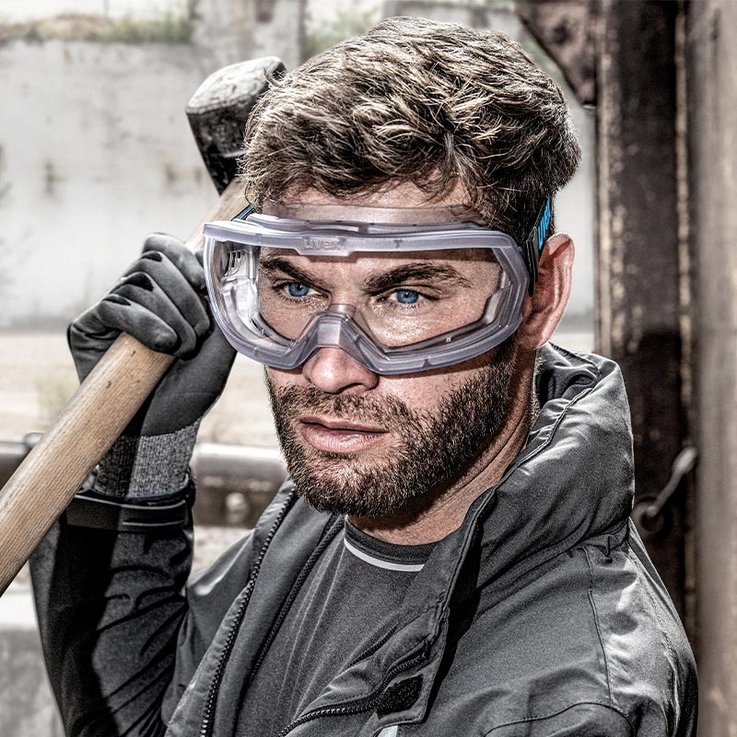
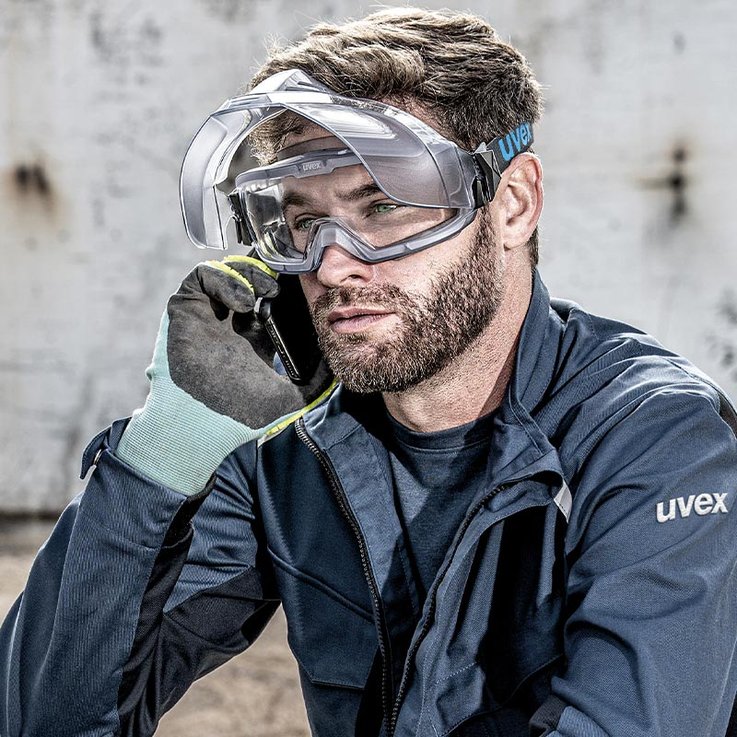
Eye protection should be fitted/adjusted to provide proper coverage, comfort and adequate peripheral vision. Poor fit can reduce protection and lower wearer compliance.
3. It enables “task-matched” protection
Different hazards often require different protection types (e.g., goggles for dust/splash control vs. face shields for facial splash/impact coverage). Choose PPE with the right combination of eye protection for hazards like impact, dust, splash or molten metal, ensuring it’s appropriate to the task.
What are the health benefits of wearing face protection at work?
Wearing appropriate eye/face PPE can help prevent outcomes such as:
- Eye injuries that cause pain, time off work, or long-term vision issues (including injuries severe enough to affect everyday tasks).
- Chemical and thermal burns to the eyes and surrounding tissue.
- Exposure-related irritation and infection risks, where relevant hazards exist (for example, when germs can contact the eye surface via droplets or splashes).
It’s important to stress: PPE works best as part of a hierarchy of controls. Employers should also consider engineering controls, workspace adjustments and barriers to reduce hazards at source.
What are the key benefits of using protective face gear at work?
Beyond basic compliance, good face protection can deliver practical benefits that improve real-world protection:
Better protection in “high contamination” tasks
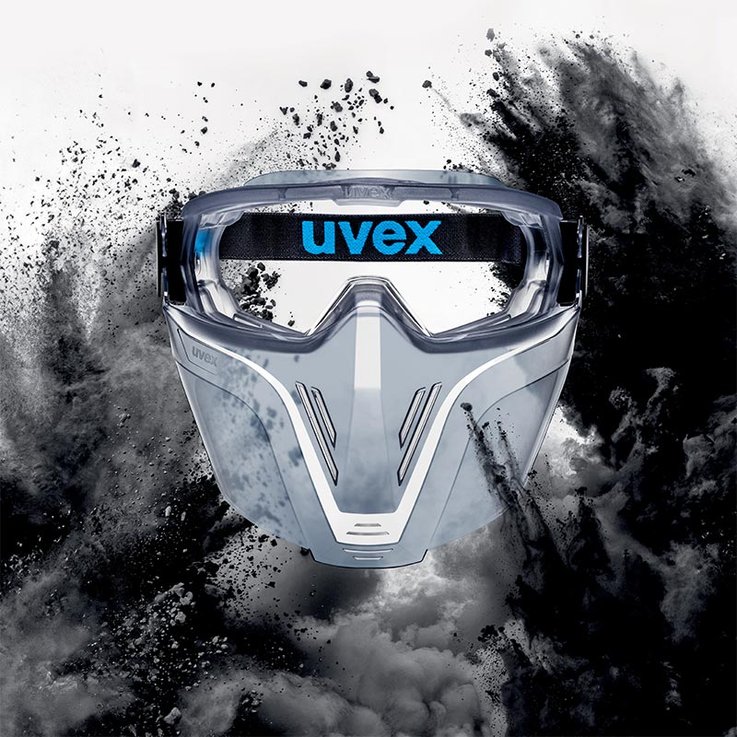
Work involving dust, dirt and airborne particles can overwhelm open-frame eyewear. A goggle-based solution with a face seal and controlled ventilation is often chosen for these environments. The uvex hypervision system is specifically positioned for environments where dust, dirt and airborne particles pose a risk, and is designed as a flexible eye and face protection system.


Improved WEARABILITY can increase compliance
If eye protection is uncomfortable or fogs easily, wearers are more likely to adjust it, lift it or remove it — and this is when exposure occurs. Comfort and fog-management features (like indirect ventilation and coatings) can support consistent wear.
Compatibility with other PPE
In many workplaces, eye/face protection must work alongside helmets, respirators and hearing protection. The uvex hypervision modular system is highly compatible with helmets, respirators and earmuffs, supporting integrated PPE set-ups.

Common workplace hazards that require facial protection
Your risk assessment should define required PPE, but these are common triggers for closed eye protection and/or added face coverage:
- Dust and airborne particles (e.g., sanding, cleaning, contaminated environments).
- Flying particles/projectiles from tools, cutting, grinding or impact processes.
- Chemical splashes (industrial chemicals, cleaning products) that can cause eye burns.
- Gas and vapour exposures where eye irritation risk exists.
- Radiation/light hazards, where task-specific eye protection is required.
What features should you look for in workplace face protection products?
When selecting closed eye protection (goggles) and face protection (faceguard/face shield), focus on hazard, standards, fog control, comfort and compatibility.
1. Certification to the correct standard
In the UK, workplace face and eye protection must comply with the Personal Protective Equipment (PPE) at Work Regulations.
⇨ Look for products certified to the primary occupational eyewear standard, EN ISO 16321-1 (which has replaced older EN 166 certifications), and verify they carry the corresponding CE or UKCA mark.
2. Coverage and seal
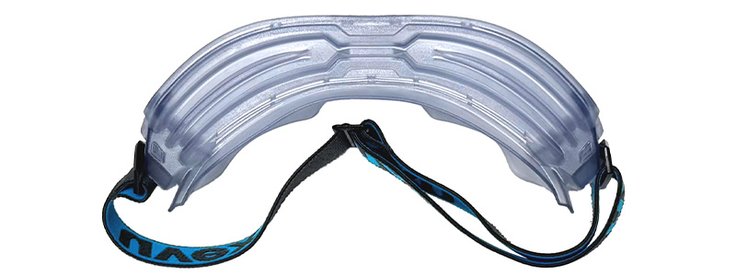
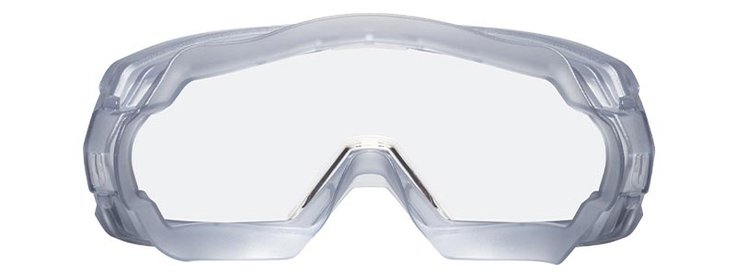
Face shields and goggles must properly seal and cover the necessary zones of the face (Orbital, Extended Orbital, or Face Protection Zones depending on impact).
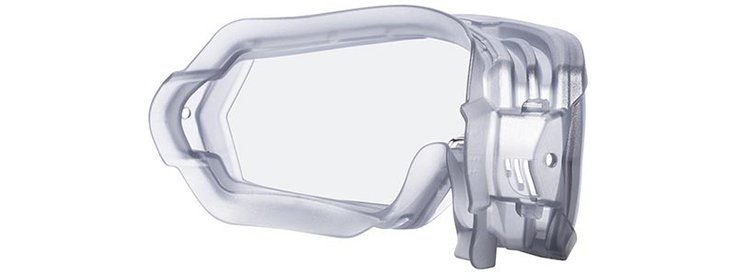
⇨ Look for a soft, adaptive face seal that fits different face shapes without pressure points, and enough internal space if over-spectacle wear is required.
3. Fog control and ventilation
Fogging is one of the biggest practical barriers to consistent PPE wear, and optical clarity is useless if the lens fogs up or gets scratched.
⇨ Look for lenses treated with N (resistance to fogging) and K (resistance to surface damage by fine particles) to maintain a clear field of view throughout the workday.
4. Field of vision and optical clarity
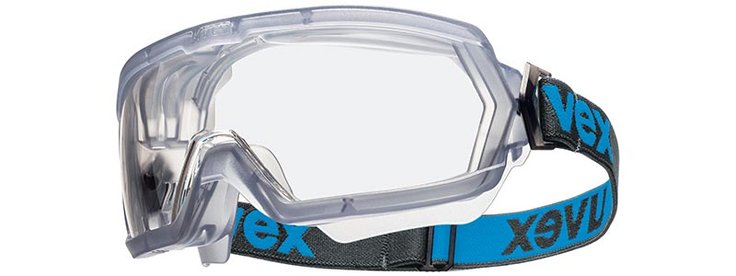
Optical Class 1 is the highest clarity rating and is mandatory for any face shield or goggles worn for long periods or entire shifts to prevent headaches and eye strain.
⇨ Look for face shields and safety goggles that are engineered to provide an unobstructed field of vision of at least 180° horizontally.
5. Modular face protection when you need it
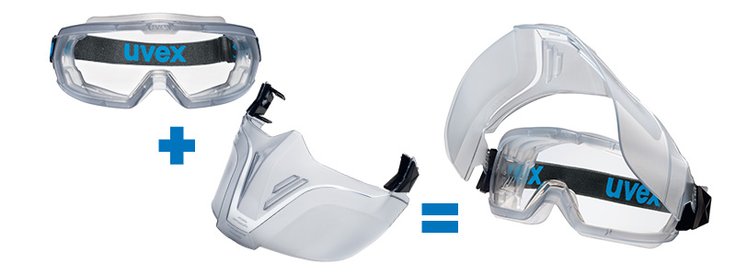
In some tasks, you may need both closed eye protection and more face coverage. The uvex hypervision system is modular, so goggles can be used alone or combined with an optional faceguard for additional facial protection.
6. Adjustability and PPE compatibility
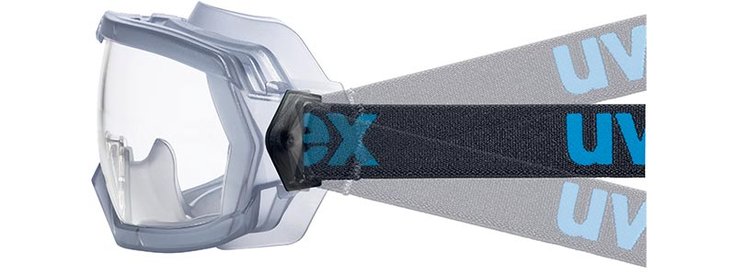
Ensure the protection does not interfere with other required PPE like respiratory masks or hearing protection.
⇨ Look for adjustable headbands, stable fit, and ergonomic designs.
Key takeaways
- Eye hazards at work can include chemical/metal splash, dust, projectiles, gas/vapour and radiation.
- Closed eye protection (goggles) helps reduce exposure by improving coverage and sealing, particularly for airborne particles and splashes.
- WEARABILITY matters: Proper fit, fog control and compatibility all support consistent use.
Face protection options from uvex

Looking for further guidance?
Choosing the right PPE can make all the difference when it comes to safety, comfort, and compliance. If you’d like tailored advice or want to trial uvex products in your environment, get in touch via our quick contact form or email marketing@uvex.co.uk.
FAQ's
Closed eye protection usually refers to safety goggles that seal around the eyes, helping protect against hazards such as dust, splashes and projectiles (depending on the specific goggle and certification). HSE lists goggles among PPE options for eye hazards including dust, projectiles and chemical splash.
You should wear goggles instead of safety spectacles whenever there is a risk of airborne dust, chemical splashes, gases, or high-energy impacts that can bypass the gaps around spectacles. While safety spectacles protect against frontal impacts, they do not seal against the face, leaving the top, bottom, and sides vulnerable.
It depends on the task and your risk assessment. Goggles protect the eye area, but some hazards also affect the wider face (for example, certain splash or impact risks). PPE options such as face shields or visors are practical solutions for eye hazards.
Good fit and product features matter. Ensure PPE is properly fitted/adjusted for coverage and comfort. The uvex hypervision system includes indirect ventilation (to increase air circulation) and uvex supravision coating technology for anti-fog performance.