Understanding the mechanics of ankle twisting
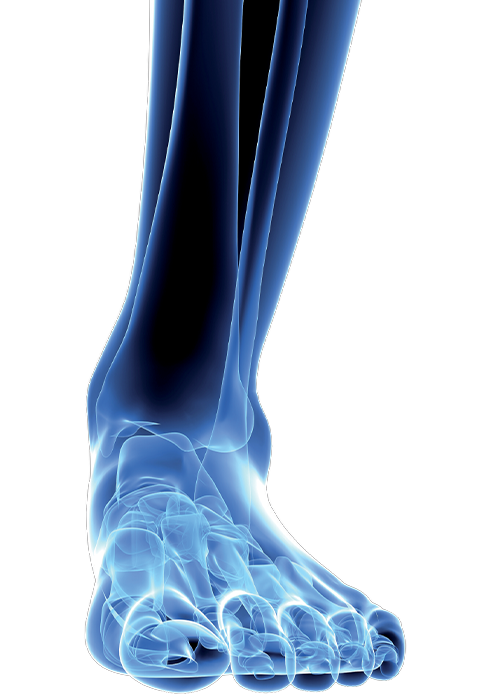
Walking may feel automatic, but it is a highly complex and inherently unstable movement.
The human gait involves coordinated motion between multiple joints - primarily the ankle, knee and hip - supported by the upper body for balance. This movement is typically divided into two phases:
- Stance phase: when the foot is in contact with the ground
- Swing phase: when the leg moves forward
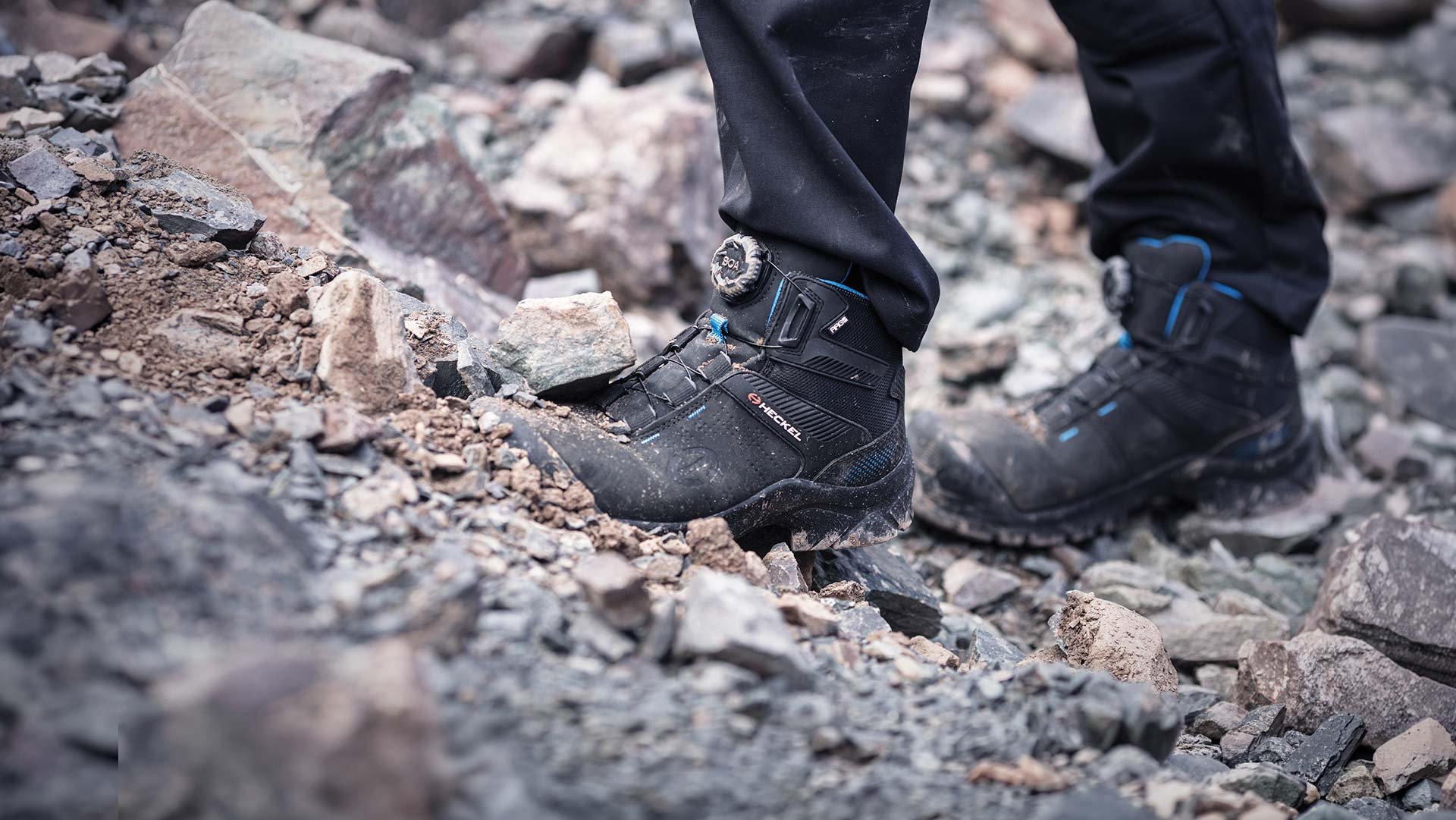
If the foot lands unevenly - for example on loose gravel, edges or uneven ground - it can tilt sideways. This sudden instability can cause the ankle to twist, often leading to ligament injuries.
Even relatively small impacts can significantly increase risk. For example, jumping down from a height of just one metre (such as from a vehicle cab) generates forces several times greater than body weight on landing. Many ankle injuries occur in exactly these scenarios.

Common causes of twisting and stumbling
Several workplace and environmental factors can increase the risk of ankle injuries:
- Uneven or poorly maintained surfaces
- Obstacles or trip hazards
- Poor workplace design or layout
- Low light or reduced visibility
- Fatigue, distraction or time pressure
- Unexpected changes in terrain
Interestingly, perception also plays a key role. In environments where hazards are expected - such as walking in woodland - people tend to adjust their movement and remain more alert. In workplace settings, however, employees often assume safe, even flooring, which can reduce reaction time when hazards occur. Because walking is largely automatic, the body does not always react quickly enough to prevent an ankle twist when disruption occurs.
Can safety footwear prevent ankle twisting?
Currently, there is no specific safety standard that guarantees protection against ankle twisting through footwear alone. However, certain design features can support stability and reduce risk.
1. Shaft height and ankle support
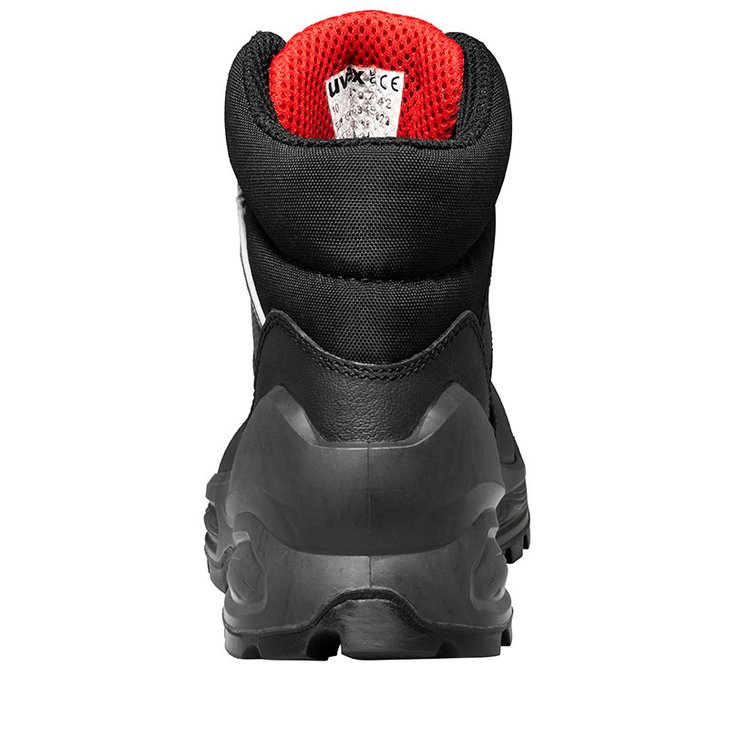
Higher-cut safety boots extend above the ankle and may provide additional support. However, this support is only effective when:
- Boots are correctly fitted
- Laces are properly secured
Poorly fastened footwear can create a false sense of security, leaving the wearer more vulnerable.
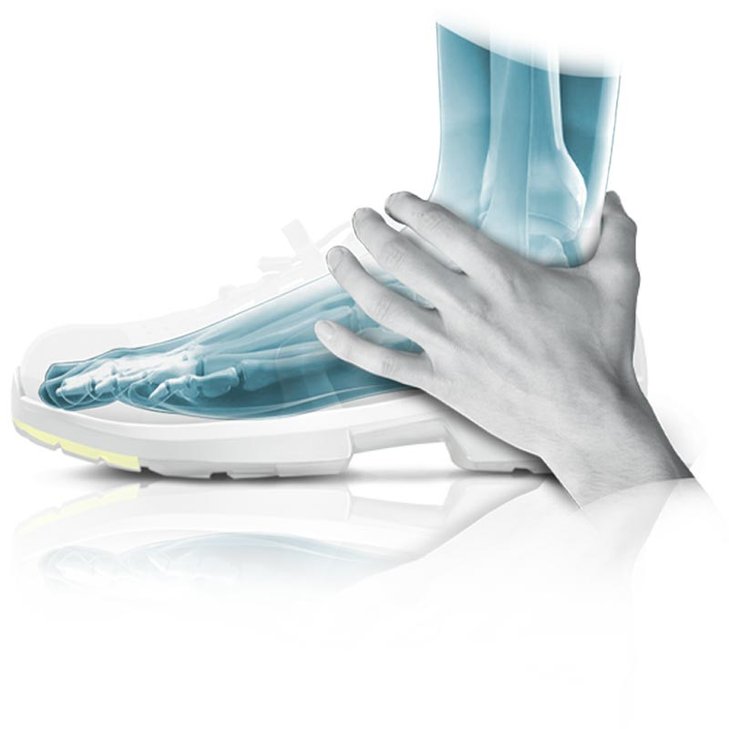
2. Fit and heel stability
A secure fit - particularly in the heel area - is critical. Excess movement inside the shoe can compromise stability and increase the likelihood of missteps. Key factors that contribute to optimal fit and heel stability include:
- A snug, supportive heel cup to minimise internal movement
- Proper sizing to prevent slipping or pressure points
- Ergonomic design that contours to the natural shape of the foot
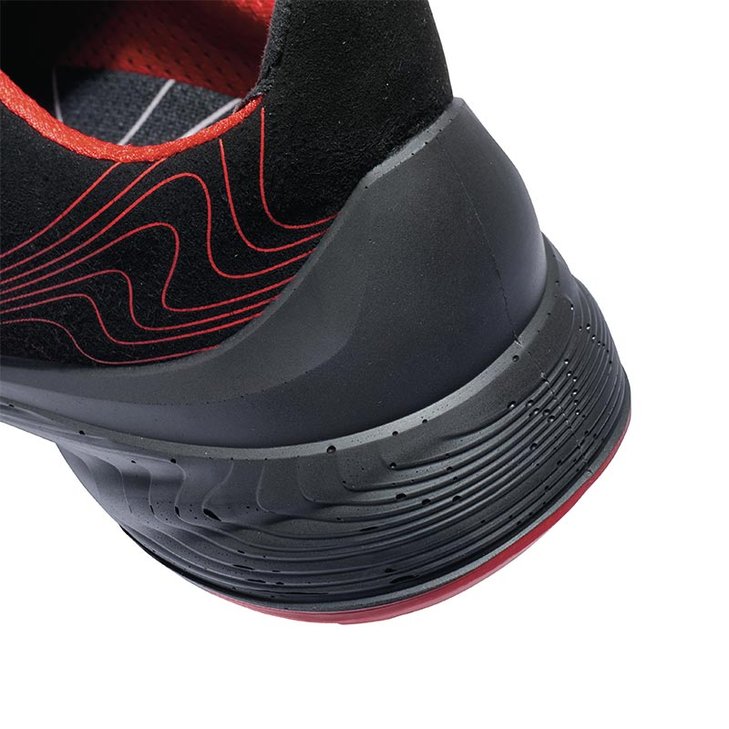
3. Shock absorption
Impact forces during walking or jumping are a key contributor to ankle injuries. Effective cushioning systems help to:
- Reduce stress on joints
- Improve overall balance
- Support safer landings
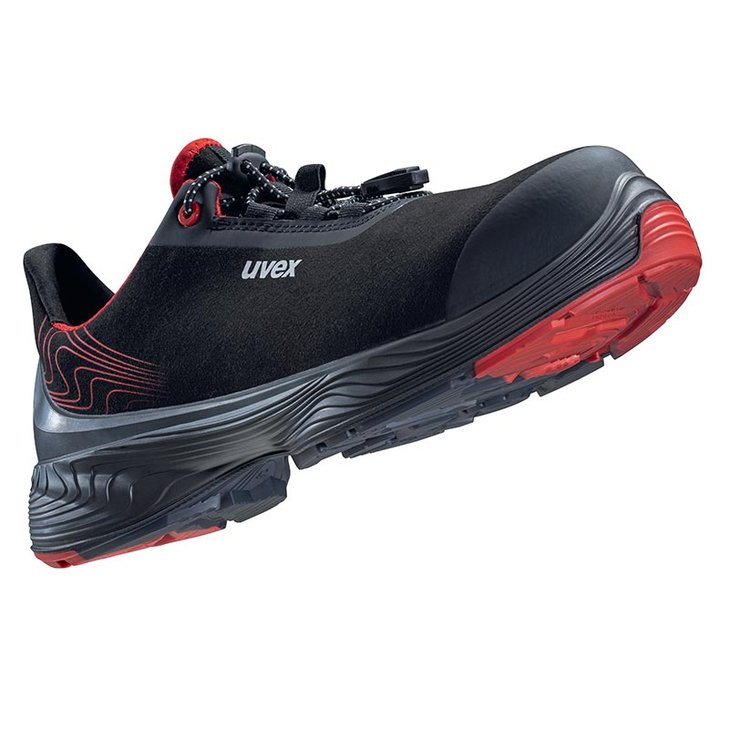
4. Flexibility and natural movement
Restricting natural motion can be counterproductive. Research shows that the body’s own stabilising systems - including muscles, ligaments and tendons - play a crucial role in preventing injury. Footwear should therefore:
- Allow natural foot movement
- Provide support without excessive rigidity
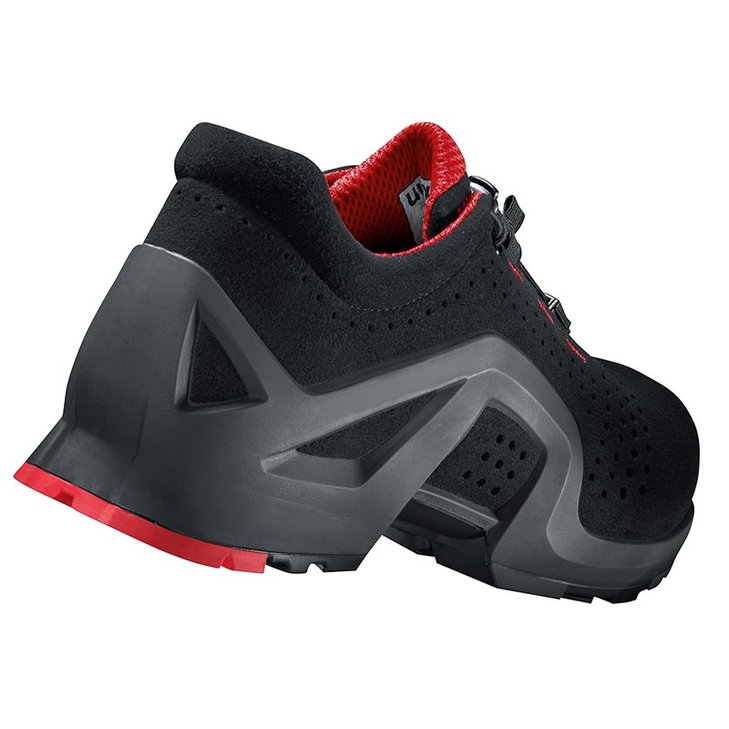
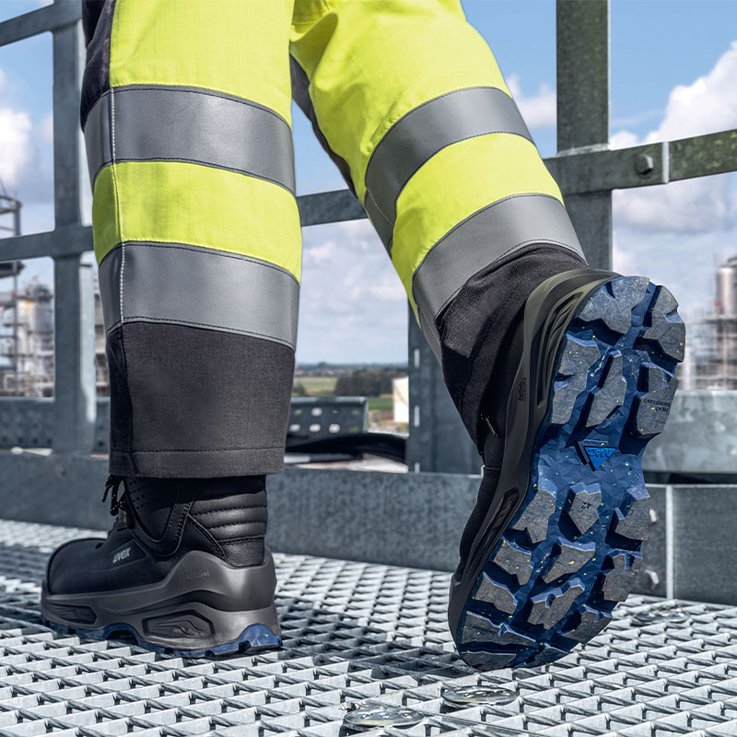
5. Sole construction and torsional stability
The design of the sole plays a major role in how the foot adapts to uneven surfaces. Key features include:
- Torsional stability: helps the foot adjust to uneven ground
- Midfoot support: improves balance and control
- External heel support: enhances stability
For example, uvex safety footwear incorporates stabilising elements such as supportive heel cups and engineered sole systems to help maintain control without restricting mobility.
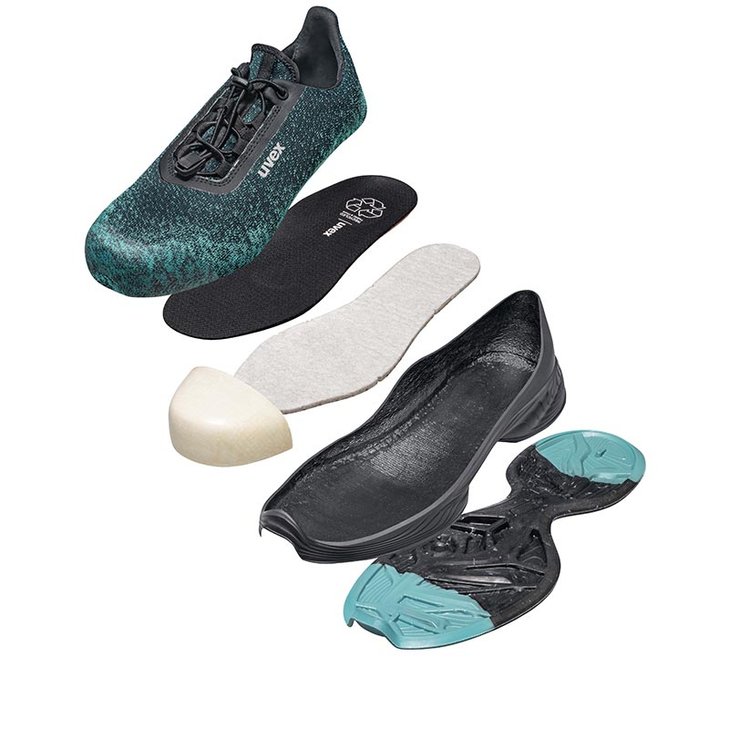
6. Non-metallic penetration-resistant midsole
By enabling a more natural rolling motion, textile midsoles reduce restriction in the foot’s movement while still delivering reliable underfoot protection.
This combination of protection and responsiveness can play a valuable role in minimising the risk of missteps and ankle twisting - particularly in dynamic or unpredictable environments.
Without these features, even high-quality safety footwear may not perform as intended. Poor fit can lead to delayed reaction to uneven ground, reduced proprioception (awareness of foot position), and increased fatigue - all of which contribute to a higher likelihood of trips and ankle injuries. Ultimately, a well-fitting shoe acts as the foundation for safe movement, supporting both comfort and stability without restricting natural motion.
The role of workplace design
While footwear can support stability, it cannot eliminate the risk of ankle twisting on its own.
Effective prevention requires a broader approach, including:
- Maintaining even, hazard-free surfaces
- Improving lighting and visibility
- Reducing trip hazards
- Designing safe access and egress points
- Encouraging awareness and safe behaviour
Employers have a responsibility to assess workplace conditions and implement measures that reduce environmental risk factors.

Key Takeaways
- Ankle twisting is often caused by uneven surfaces, sudden impacts or environmental distractions
- Walking is an unstable, automatic movement - meaning the body cannot always react in time
- No footwear can fully prevent ankle injuries, but the right design can reduce risk
- Fit, flexibility, shock absorption and sole design are more important than rigid ankle restriction
- Workplace design and hazard control remain the most critical factors in prevention

Looking for further guidance?
Choosing the right PPE can make all the difference when it comes to safety, comfort, and compliance. If you’d like tailored advice or want to trial uvex products in your environment, get in touch via our quick contact form or email marketing@uvex.co.uk.
FAQ's
No safety footwear can completely prevent ankle twisting. However, well-designed footwear can reduce risk by improving stability, cushioning impact and supporting natural movement.
High-cut boots can provide additional ankle support, but only if properly fitted and securely fastened. They should not be relied upon as the sole method of preventing injury.
Look for:
- Secure heel fit
- Good shock absorption
- Flexible yet supportive sole construction
- Torsional stability
- Lightweight, responsive materials
Not necessarily. Overly rigid footwear can restrict natural movement, which may reduce the body’s ability to stabilise itself. A balance of support and flexibility is essential.
Yes. Uneven surfaces, poor lighting and trip hazards are major contributors to ankle injuries. Addressing these risks is key to effective prevention.
Yes. Textile midsoles tend to be more flexible than steel, allowing more natural foot movement and better adaptation to uneven ground.