Prescription safety eyewear: Built for comfort and clarity
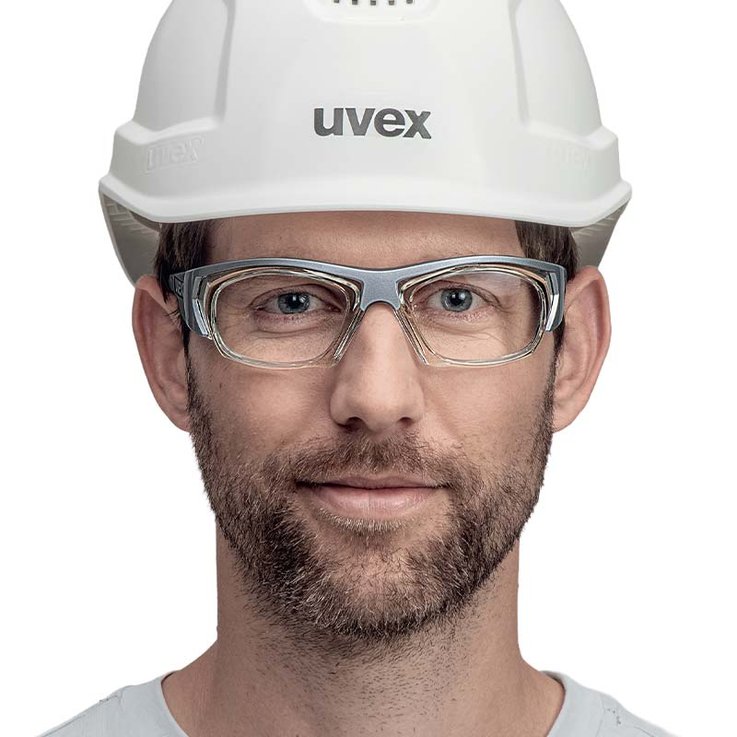
Prescription safety eyewear combines certified eye protection with individual vision correction, creating a single, integrated solution. Unlike standard safety glasses worn over personal spectacles, these are designed specifically for the wearer, ensuring a clear field of vision and certified protection throughout the working day.
This type of eyewear is most used in environments where employees need to wear protection for extended periods. In roles that rely on precision or sustained focus, such as manufacturing, engineering or laboratory work, clear and reliable vision is essential.
One of the key advantages of prescription safety eyewear is comfort. Because the glasses are tailored to the individual, they eliminate the need for layering, reducing pressure points and improving overall WEARABILITY. This has a direct impact on compliance, as workers are far more likely to wear protection that feels natural and unobtrusive. Over time, this can lead to improved compliance rates and reduced risk of eye injuries.
Certified prescription safety eyewear is tested in line with recognised standards, e.g. EN 166 and the newer EN ISO 16321. These standards define levels of impact protection, including resistance to high-speed particles. This ensures that, unlike everyday spectacles, certified safety eyewear provides verified protection against workplace hazards while maintaining precise vision correction.
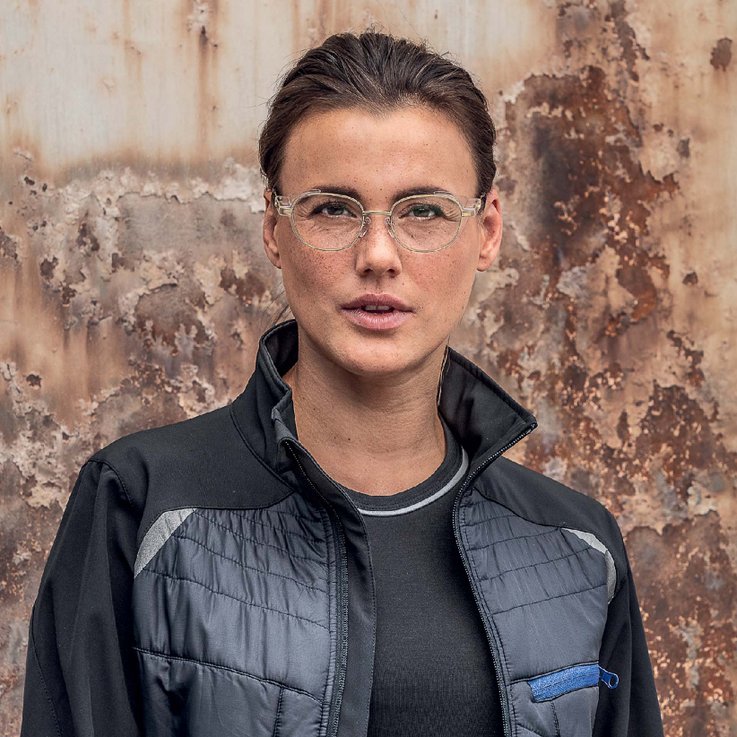
Why standard high-street glasses are not suitable for workplace protection
A common misconception is that everyday prescription glasses can double as safety eyewear. However, standard high-street spectacles are not designed to meet the impact or coverage requirements needed in hazardous environments.
Most everyday lenses are made from materials such as CR39 plastic. While suitable for vision correction, CR39 does not offer the same level of impact resistance as materials commonly used in safety eyewear, such as polycarbonate. Polycarbonate lenses are significantly more impact-resistant and are widely used in certified safety eyewear due to their ability to withstand high-speed particle impact.
In addition to material differences, standard glasses do not provide sufficient coverage of the orbital eye area. They typically leave gaps around the sides, top, and bottom of the frame, allowing particles, dust, or splashes to reach the eye from multiple angles.
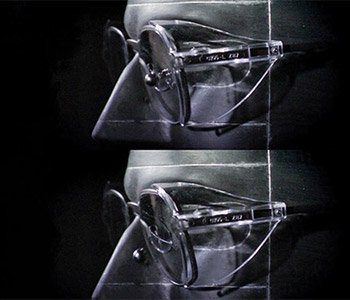
CR39 vs. Polycarbonate
Which is the right choice for your safety eyewear?
Discover the key benefits of each lens material and find the right solution for your vision and protection needs.
Overspecs (OTG): a practical, flexible solution
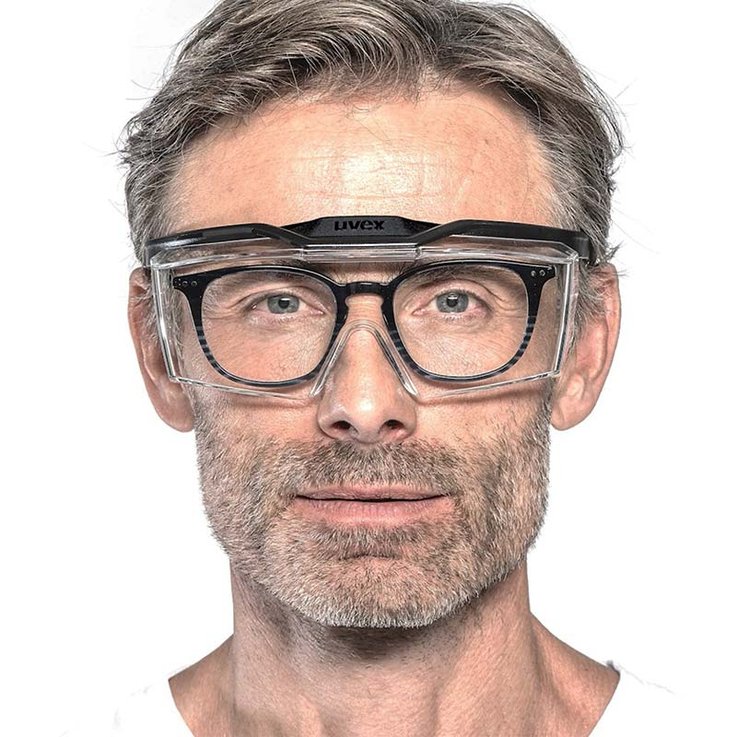
Overspecs, often referred to as OTG (over-the-glasses), are designed to be worn over existing prescription eyewear. They provide a simple way to add a layer of protection without replacing the user’s everyday glasses.
This makes them a highly flexible option in environments where adaptability is required. For example, overspecs are often used for visitors, contractors, or teams where issuing individual prescription safety glasses may not be feasible. They also offer a quick solution when immediate compliance is needed without the delay of bespoke manufacturing.
Like other forms of certified eye protection, overspecs are tested to EN 166 or EN ISO 16321 standards, meaning they can provide controlled levels of impact resistance against high-speed particles. However, because they are worn over existing glasses, overall performance depends on fit, stability, and compatibility with the underlying spectacles. While they can meet impact requirements, they do not always offer the same optimised fit or coverage as dedicated prescription safety eyewear.
From an operational perspective, overspecs are cost-effective and easy to distribute across a wide range of users. While some users may perceive overspecs as bulkier than an integrated prescription safety eyewear solution, this is not always the case. uvex overspecs are designed so that the side arms sit comfortably over existing prescription spectacles, rather than directly on top of them, helping to reduce pressure points and improve WEARABILITY.
As a result, overspecs are extremely useful in the right context and can be a practical choice for short-term, occasional or shared use. For longer-term wear, the best option should be assessed against the task, the wearer’s prescription eyewear, and overall comfort requirements.
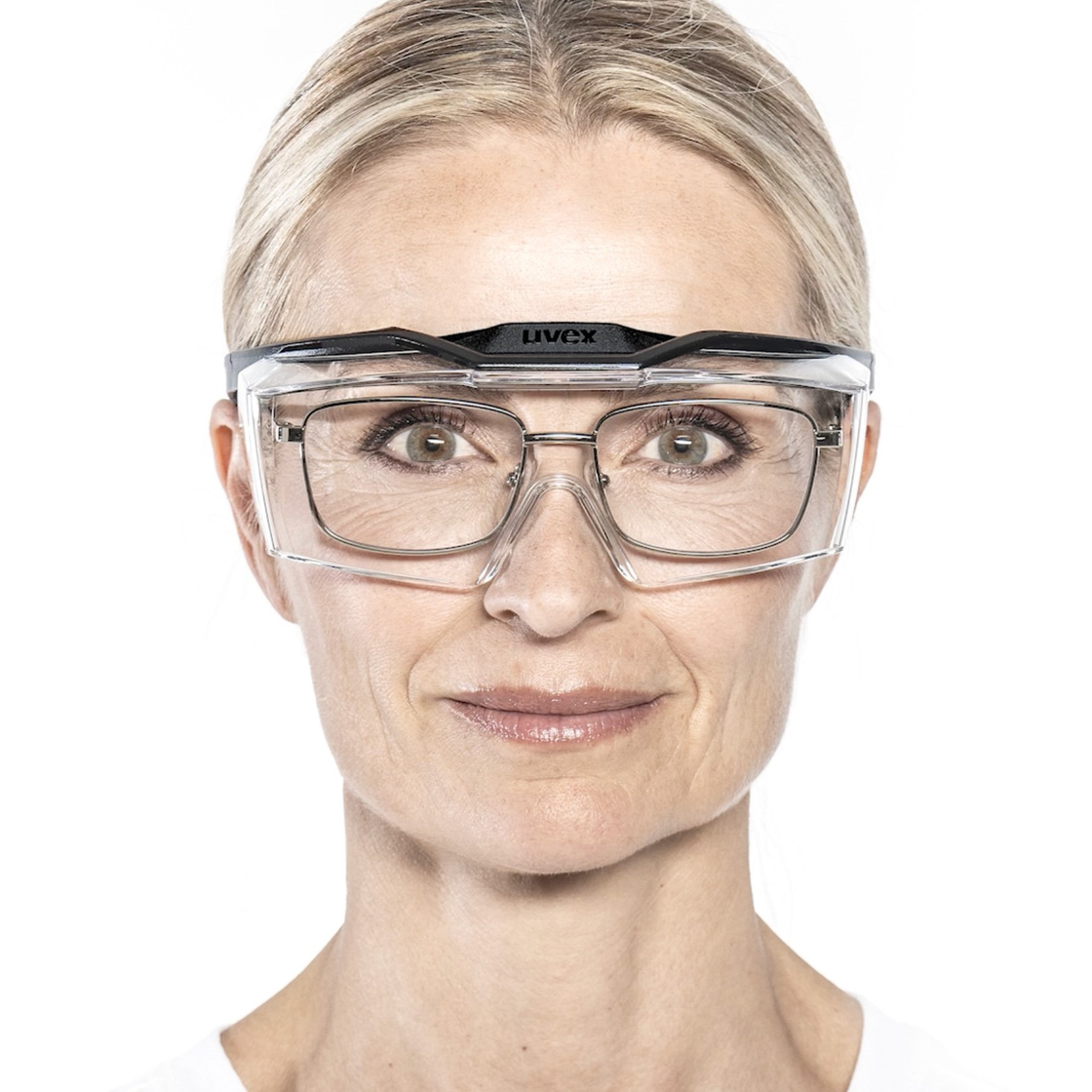
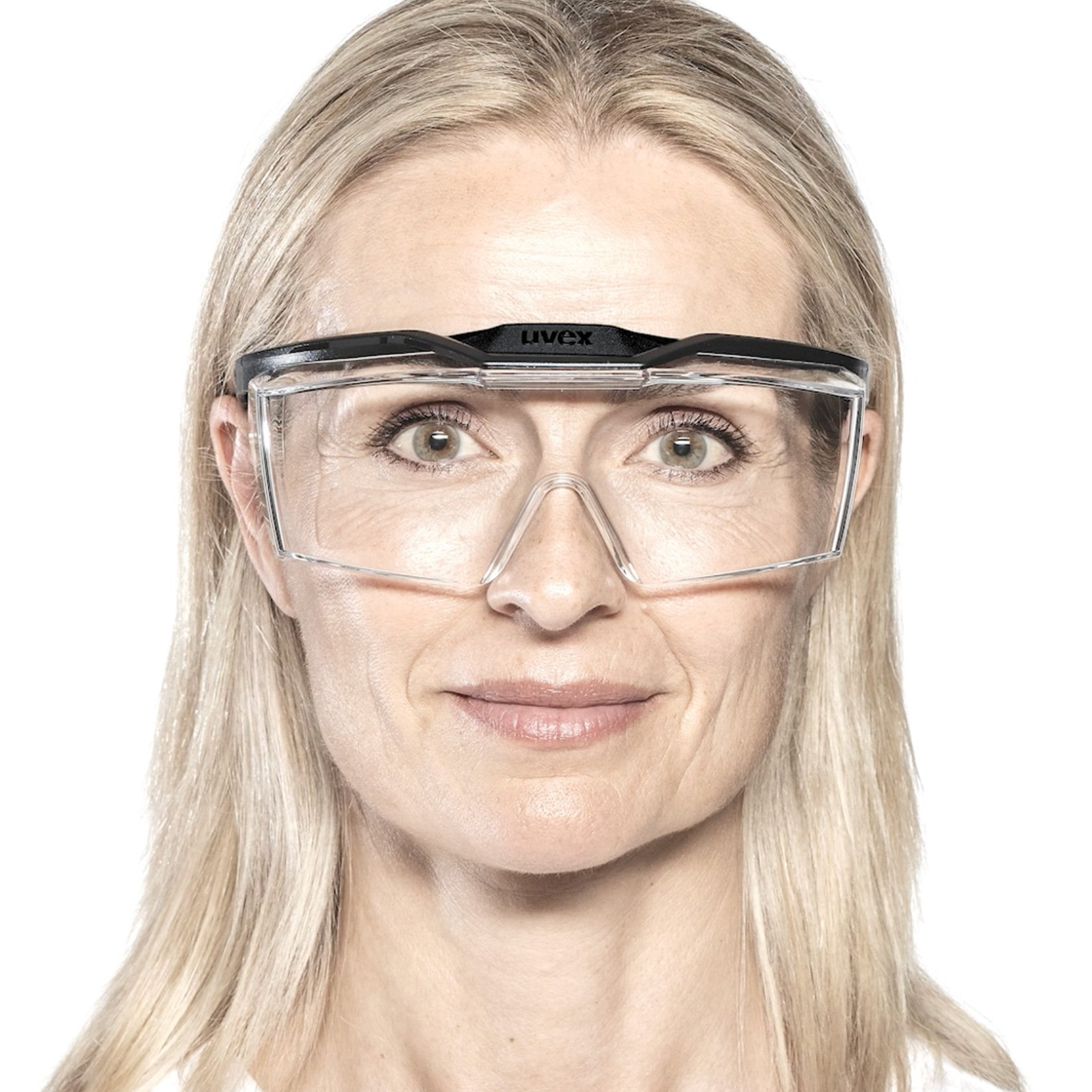
Overspecs from uvex
Safety goggles: protection for higher-risk environments
Safety goggles provide a high level of protection in environments where there is a risk of impact, dust or liquid exposure. By forming a seal around the eye area, they help prevent hazards from reaching the eyes from multiple angles.
They are commonly used in industrial processing, construction and laboratory settings, where sealed protection is essential. Goggles should also be certified to higher impact ratings under EN 166 and EN ISO 16321.
Many designs also allow for compatibility with ordinary prescription glasses, ensuring that vision correction can still be accommodated. For example, uvex offers prescription inserts which can be riveted inside the goggle frame to offer enhanced visual clarity.
Safety goggles that accommodate glasses
How do you choose the right eye protection?
Choosing the right eye protection is not about selecting a single product; it is about understanding the key factors that influence safety, comfort, and long-term compliance. By assessing the working environment and user requirements, you can identify the most appropriate solution.
When evaluating your options, consider:

Level of risk
Environments with dust, chemicals, or liquids typically require sealed protection (goggles), while lower-risk tasks may only require impact-resistant glasses or overspecs.

Duration of wear
For continuous use, comfort is critical. Prescription eyewear is often best suited for long-term wear, while overspecs are ideal for short-term use.

Vision requirements
Workers who require vision correction benefit from integrated solutions that combine clarity and protection.

Fit and compatibility
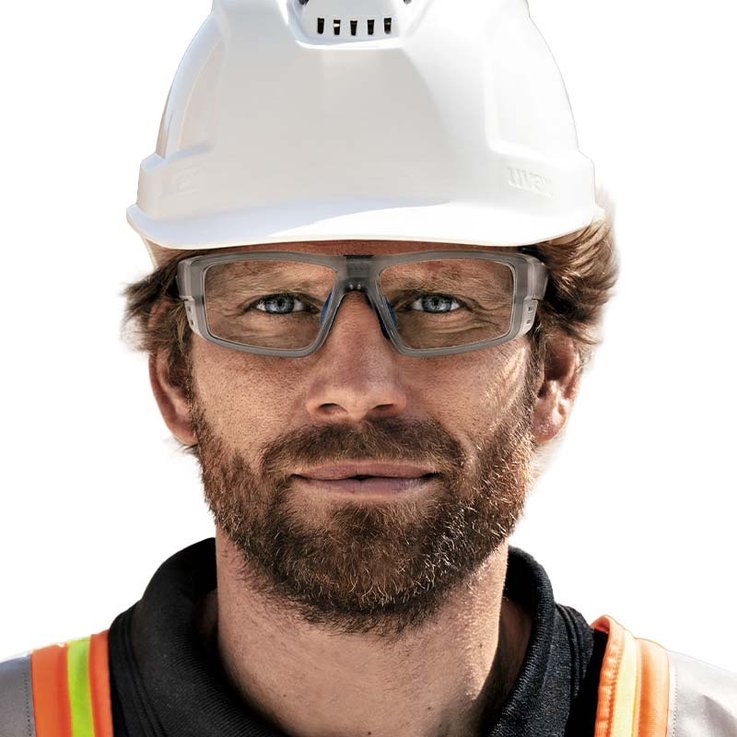
Eye protection must integrate with other PPE, such as helmets or respiratory equipment, while maintaining a secure and comfortable fit.
In practice, many workplaces adopt a combination of solutions to meet different needs. Aligning eye protection with both the task and the wearer ensures a more effective, compliant, and user-accepted approach to safety.
Finding the right balance
Choosing between prescription safety eyewear, overspecs, and goggles is not about identifying a single “best” option, but about selecting the right solution for the right situation.
Each type of eye protection serves a clear purpose. Prescription safety eyewear offers long-term comfort and clarity, overspecs provide flexibility and convenience, and goggles deliver enhanced protection where it is needed most.
By understanding these differences, organisations can implement a more effective eye protection strategy, one that supports compliance, improves comfort, and ultimately reduces risk.

Looking for further guidance?
Choosing the right PPE can make all the difference when it comes to safety, comfort, and compliance. If you’d like tailored advice or want to trial uvex products in your environment, get in touch via our quick contact form or email marketing@uvex.co.uk.
FAQ's
Yes, many safety goggles are designed to fit over prescription eyewear or can be used with dedicated prescription inserts.
Are overspecs suitable for everyday use? Overspecs can be used daily, but they are generally less comfortable than prescription safety eyewear for prolonged wear.
Goggles are typically required in environments where there is a risk of impact (including high-speed particles), dust, liquid splashes, or chemical exposure. In these cases, a sealed design and higher impact ratings under EN 166 or EN ISO 16321 may be necessary.
For workers who require vision correction and wear PPE regularly, prescription safety eyewear often provides the best combination of comfort, clarity, and compliance.