What is silica dust?
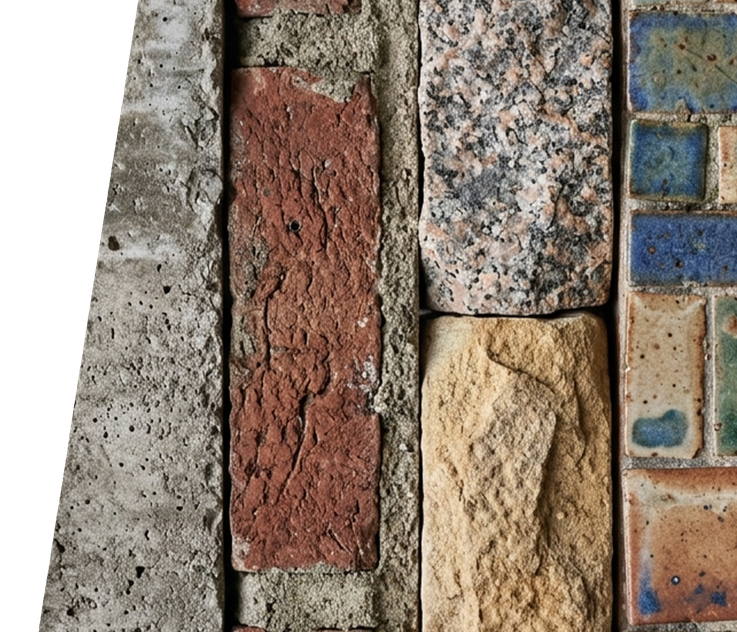
Silica is a natural mineral found in materials such as:
- Concrete
- Brick and mortar
- Sandstone and granite
- Tiles and ceramics
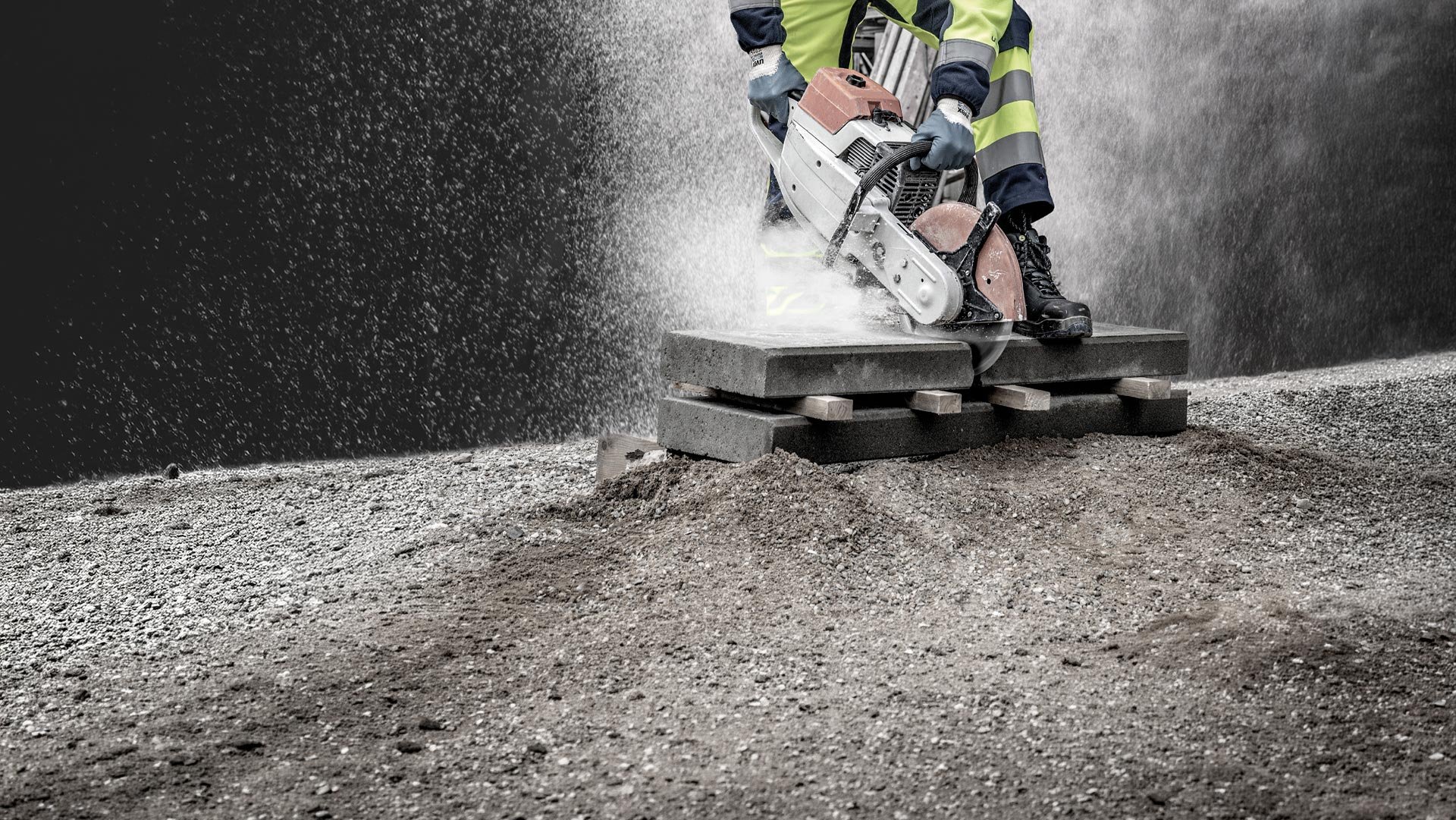
When these materials are cut, drilled, ground, or disturbed, they release fine airborne particles known as respirable crystalline silica (RCS).
These particles are:
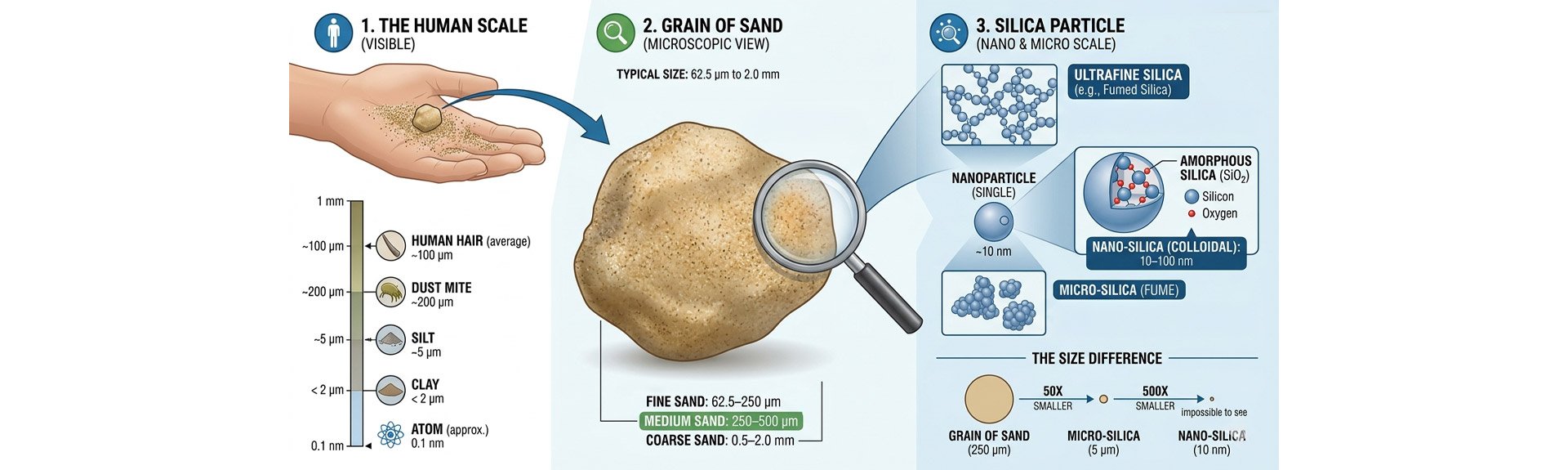
- Up to 100 times smaller than a grain of sand
- Invisible under normal lighting
- Able to penetrate deep into the lungs
Because they cannot be seen, workers may be exposed to dangerous levels without realising it.
Why is silica dust dangerous?
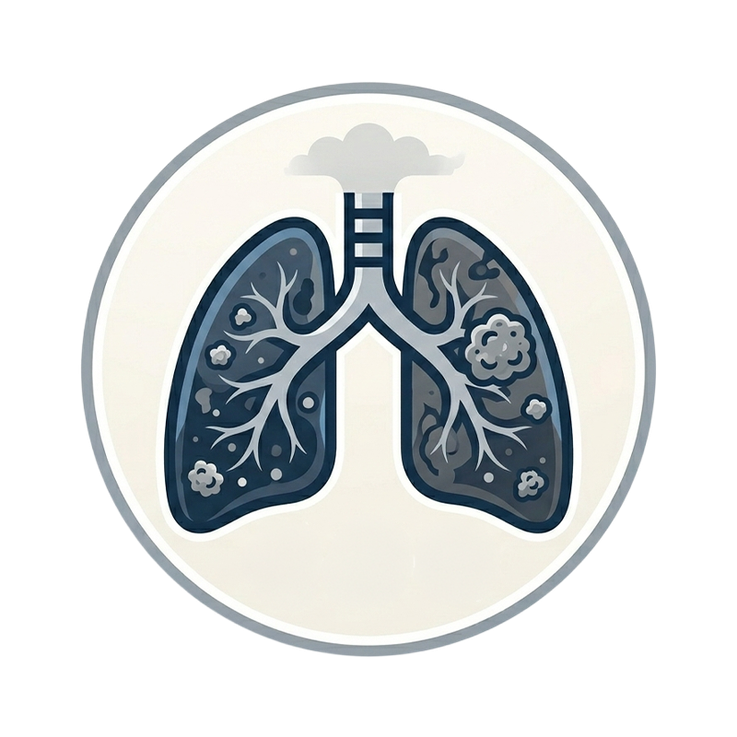
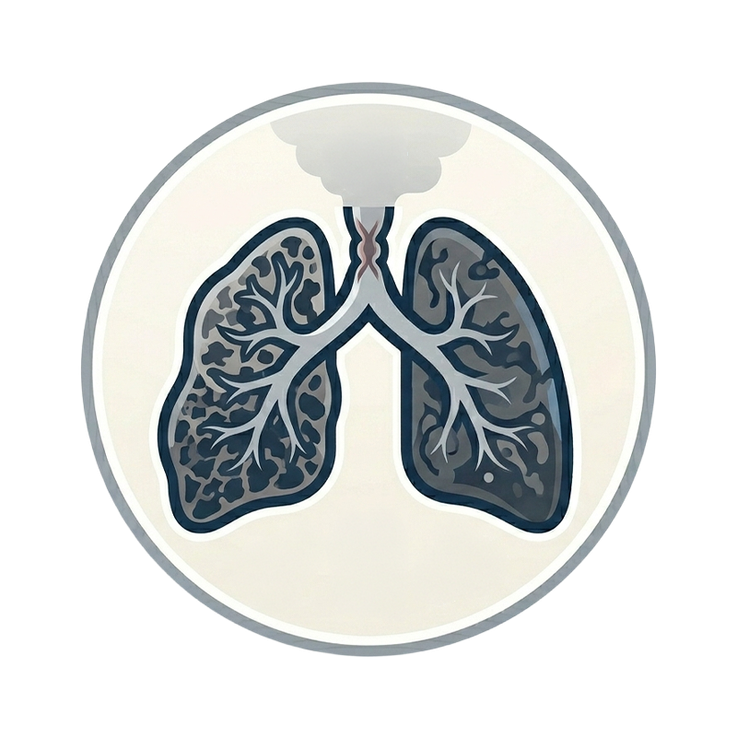
Breathing in respirable crystalline silica can cause serious and irreversible health conditions, including:

1. Silicosis
A progressive lung disease caused by scarring of lung tissue:
- Reduces lung capacity
- Causes breathlessness and chronic coughing
- Can continue to worsen even after exposure stops
2. Lung cancer
Crystalline silica is classified as a Group 1 human carcinogen, meaning it is a proven cause of cancer in humans.
- The body’s immune cells cannot easily destroy or clear these hard, toxic particles.
- Hundreds of cancer cases linked to occupational exposure every year in the UK
3. Chronic Obstructive Pulmonary Disease (COPD)
Including bronchitis and emphysema:
- Causes long-term breathing difficulties
- Is linked to thousands of deaths annually from workplace exposures
The scale of the problem in the UK
- An estimated 600,000 workers are exposed to silica dust each year in the UK
- Silica exposure is linked to over 500 construction worker deaths annually
- Around 12,000 deaths per year are associated with past exposure to dusts and chemicals at work, including silica
These figures highlight a critical issue: exposure is widespread - but often underestimated.
construction worker deaths annually
Where are workers most at risk?
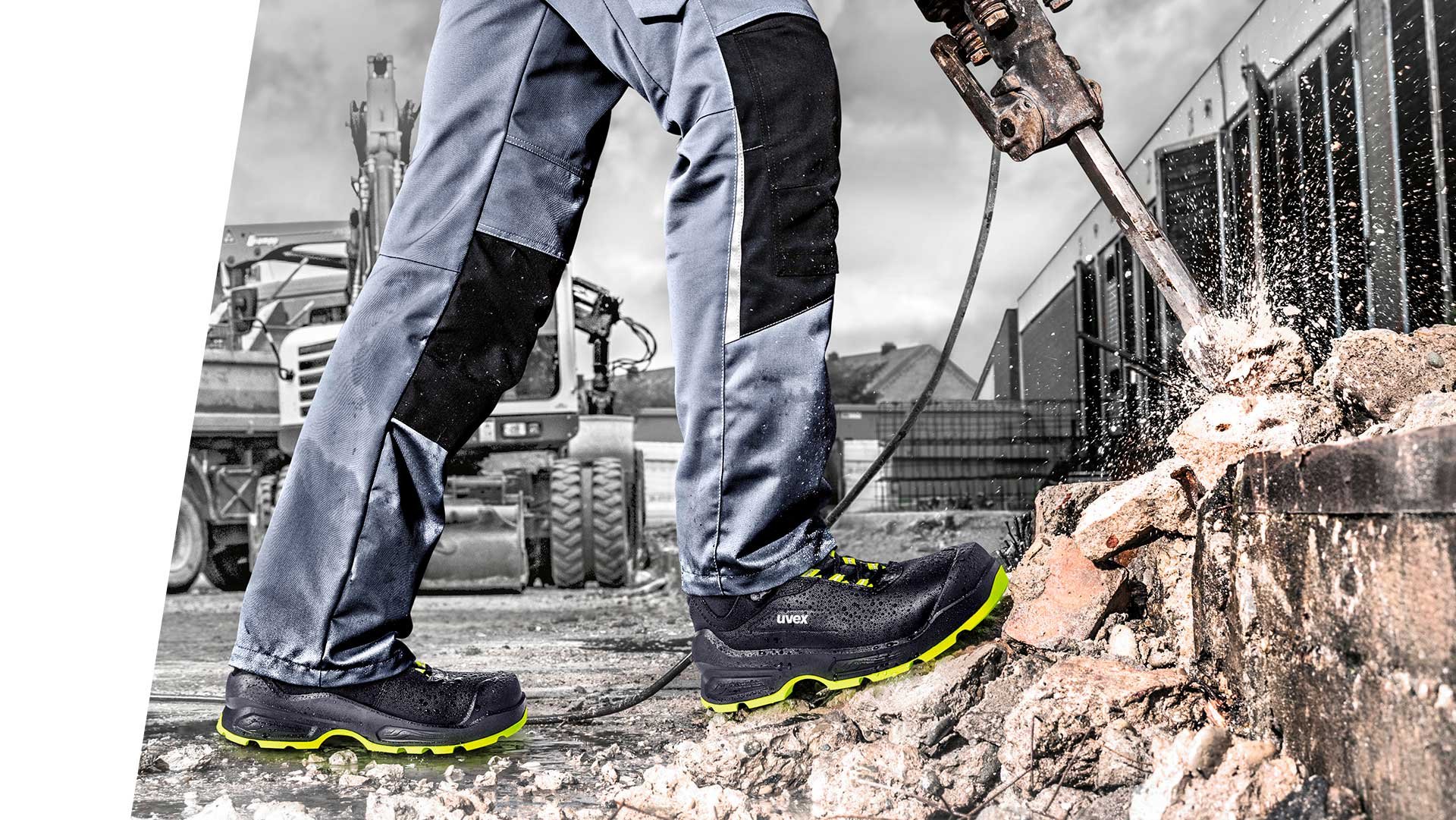
Silica dust is generated during many common tasks, including:
- Cutting or chasing concrete
- Grinding or sanding surfaces
- Drilling into masonry
- Demolition and site clearance
- Dry sweeping dust
High-risk sectors include:
- Construction and demolition
- Quarrying and mining
- Manufacturing and fabrication
- Stonework and engineered stone processing
Understanding exposure limits
Under the Control of Substances Hazardous to Health (COSHH) Regulations, the UK Workplace Exposure Limit (WEL) for silica dust is:
- 0.1 mg/m³ calculated as an 8-hour time-weighted average
However, this is not a ‘safe level’, but the maximum legal limit. Employers must reduce exposure as far below this level as reasonably practicable.
How to control silica dust risk
HSE guidance follows the hierarchy of control, meaning respiratory protection should not be the first line of defence.
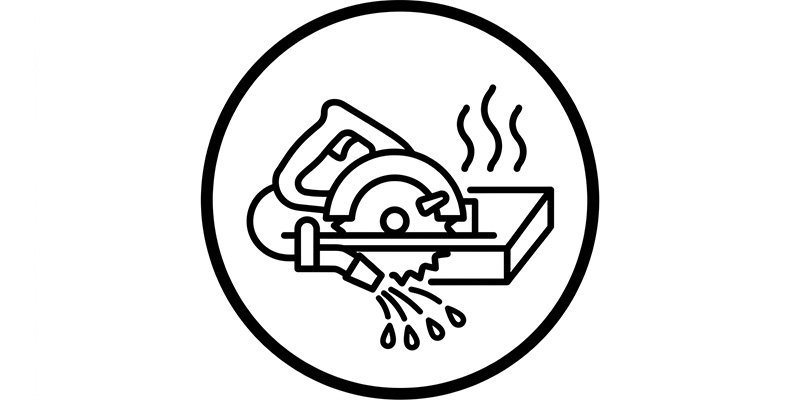
1. Eliminate or reduce dust at source
- Use low-silica materials where possible
- Avoid dry cutting
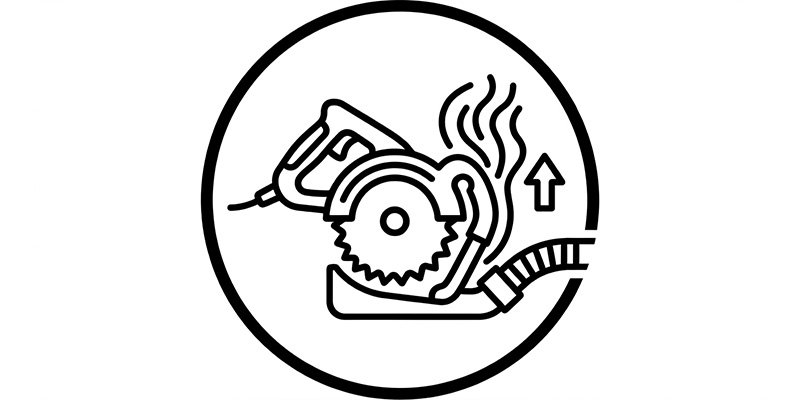
2. Engineering controls
- Water suppression systems
- On-tool extraction (LEV)
- Dust capture and filtration
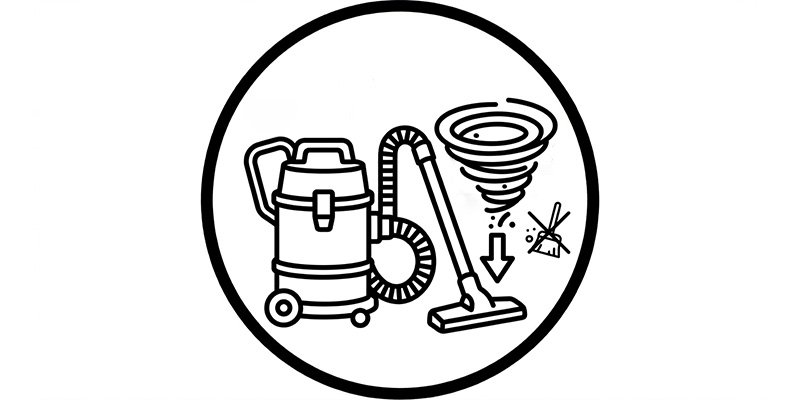
3. Safe working practices
- Segregate dusty tasks
- Use vacuum systems instead of dry sweeping
- Limit exposure time
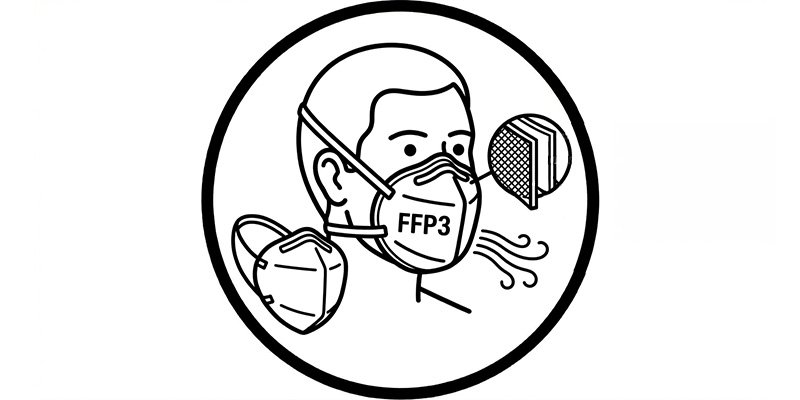
4. Respiratory Protective Equipment (RPE)
Where risks cannot be eliminated:
- Provide suitable, fit-tested RPE
- Train workers on correct use and maintenance
Why RPE is still critical
Even with the best engineering controls, silica dust can still be present.
Properly selected RPE:
- Protects against inhalation of fine particles
- Supports compliance with COSHH requirements
- Helps reduce long-term health risks
However, RPE must be:
- Correctly selected for the hazard
- Properly fitted (face fit testing)
- Maintained and replaced as needed
Key takeaway
Silica dust may be invisible - but its risks are not. With hundreds of thousands of workers exposed each year, employers must take a proactive approach to control, protect, and educate. By combining engineering controls, safe working practices, and appropriate respiratory protection, silica-related diseases can be prevented.

Looking for further guidance?
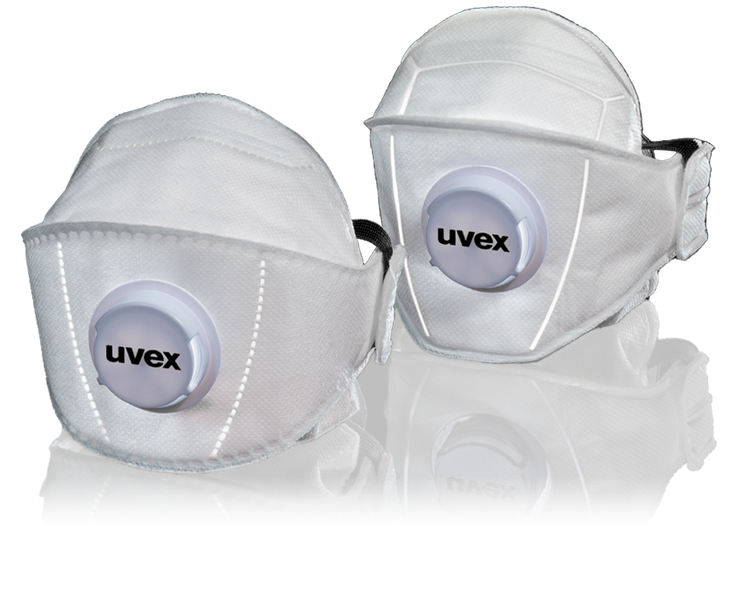
Choosing the right PPE can make all the difference when it comes to safety, comfort, and compliance. If you’d like tailored advice or want to trial uvex products in your environment, get in touch via our quick contact form or email marketing@uvex.co.uk.
FAQ's
Respirable crystalline silica (RCS) is the finest fraction of silica dust, small enough to penetrate deep into the lungs when inhaled. It is generated during activities such as cutting, grinding, or drilling materials like concrete and stone.
Silica dust is extremely hazardous when inhaled over time. It can cause silicosis, lung cancer, and COPD, all of which are serious and often irreversible conditions.
Workers in construction, demolition, quarrying, stonework, and manufacturing are at the highest risk - particularly when carrying out tasks that generate dust such as cutting, drilling, or grinding
The Workplace Exposure Limit (WEL) for respirable crystalline silica in the UK is 0.1 mg/m³ over an 8-hour period. However, exposure should always be reduced as far below this limit as possible.
No - RPE should be the last line of defence. Employers must prioritise eliminating or controlling dust at source using engineering controls and safe working practices, with RPE used where risks remain.
Yes. Tight-fitting respirators must be face fit tested to ensure a proper seal. Without a good fit, protection levels can be significantly reduced.