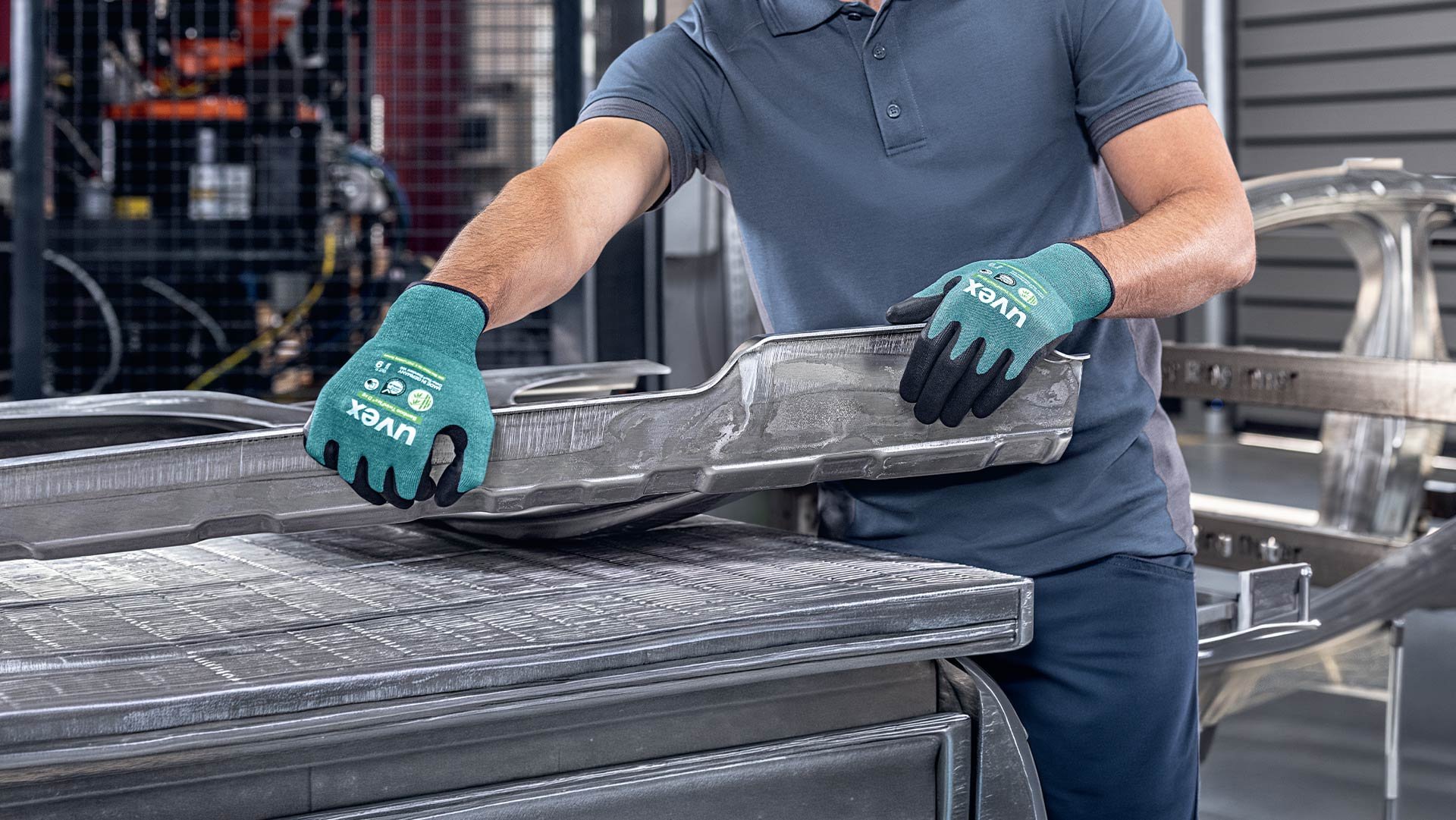
PPE is designed to protect - not introduce new risks
The role of PPE is to protect the wearer from workplace hazards. But if the materials or manufacturing processes introduce additional concerns, the product may not deliver the level of protection expected.
In the UK and across Europe, PPE is subject to legal and regulatory requirements. These include conformity markings, CE for the EU and UKCA for Great Britain, as well as chemical safety controls such as REACH. Together, these frameworks help ensure PPE meets relevant safety requirements and does not contain restricted substances above permitted limits.
However, product quality and transparency can vary. When assessing lower-cost PPE, it is worth checking for:
- Consistent material quality
- Clear information on coatings, treatments, and composition
- Accessible certification and test documentation
- Evidence that performance claims can be substantiated
If a product appears to offer high levels of protection at a much lower price, it is reasonable to ask how the performance is being achieved and whether it is supported by reliable evidence
Shortcuts in testing come with real consequences
Another hidden cost of cheaper PPE is how it is tested or in some cases, whether performance claims are supported by robust evidence at all.
In the UK and Europe, PPE is assessed against strict EN standards which set performance requirements and test methods for protective equipment. For many PPE categories, compliance also involves independent conformity assessment and certification.
These processes provide a recognised and objective basis for assessing performance. However, not all products on the market offer the same level of transparency. Where claims rely only on internal or manufacturer-led testing, it can be harder for buyers to verify consistency, product quality, and likely performance in use.
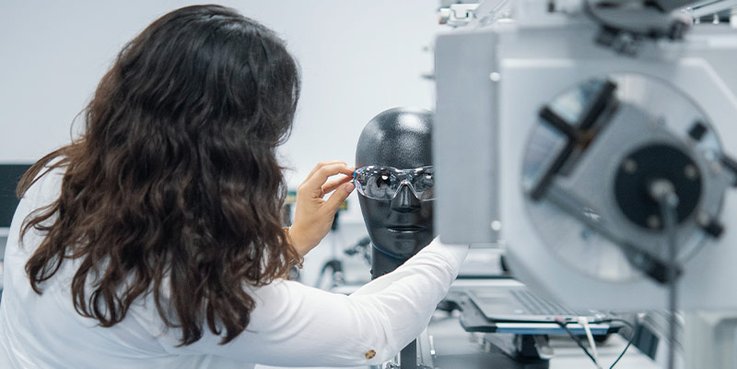
At uvex, products are tested to recognised European standards and, where applicable, supported by independent certification or verification, helping ensure that performance claims are robust and credible.
As an added check, buyers can also look for suppliers that are members of the BSIF Registered Safety Supplier Scheme. The BSIF Shield helps identify suppliers that have committed to supplying genuine, compliant PPE and can provide informed advice, giving buyers greater confidence in product quality and due diligence.
Can your PPE supplier prove their claims?
It’s one thing for PPE to carry markings - it’s another to provide full transparency behind them.
When selecting PPE, organisations should look for:
- Certification to relevant EN standards
- Clear documentation of testing results
- Traceability and consistency in manufacturing
If this information is not easily available, it becomes harder to verify whether the product will perform as expected in real working conditions. In safety-critical environments, assurance matters just as much as specification.
Standards and directives
EU declarations of conformity
Comfort and WEARABILITY drive compliance
Even the most advanced PPE is ineffective if it is not worn correctly.
Comfort, fit, and usability play a vital role in wearer compliance. Poorly designed PPE can lead to shorter wear times, incorrect use, and a higher risk of accidents. Uncomfortable or ill-fitting equipment can also cause fatigue and reduce productivity.
That is why uvex focuses on ergonomic design, lightweight materials, and wearer comfort, helping to encourage consistent use throughout the working day. With the wearer in mind, our PPE is designed to support people in the tasks they carry out.
When PPE fits well and feels comfortable, consistent wear becomes a natural outcome rather than a challenge.

Fit

Comfort

Performance

Style
The real cost: injuries, replacements, and downtime
The highest cost of cheap PPE isn’t the price you pay upfront, it’s what happens after. Lower-quality equipment may wear out faster, need replacing more often, and offer less consistent performance leading to increased risk of injury. This can lead to higher long-term costs, disruption, reduced productivity or even litigation.
In contrast, high-quality is typically designed for greater durability, more consistently performs, helps reduce incidents. When correctly selected and used, it can help reduce replacement frequency and support safer, more efficient working.
Cheap PPE may appear to save money initially, but it can result in higher overall spend, greater risk, and less reliable protection. Choosing quality PPE delivers better value over time because when safety is compromised, costs quickly rise.
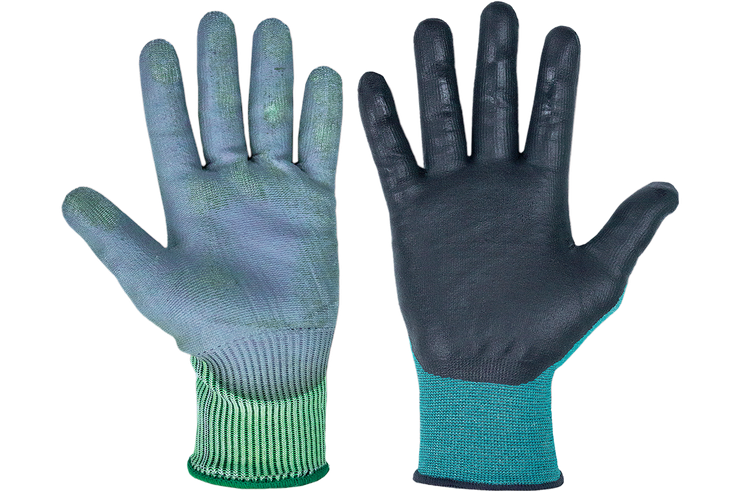
Cost comparison: cheap vs quality PPE
Factor | Low-cost PPE | High-quality PPE (uvex) |
Lifespan | Short (often single-shift use) | Extended use |
Replacement frequency | High | Reduced |
Injury risk | Higher | Lower |
Consistency | Variable | Reliable |
Total cost over time | Higher | Lower |

Looking for further guidance?
Choosing the right PPE can make all the difference when it comes to safety, comfort, and compliance. If you’d like tailored advice or want to trial uvex products in your environment, get in touch via our quick contact form or email marketing@uvex.co.uk.
FAQ's
Is cheap PPE more expensive in the long run?
Yes, it can be. While initial costs are lower, frequent replacement and increased risk often make it more expensive over time.
What does ‘cost in use’ mean for PPE?
It refers to the total cost across the product lifecycle, including durability, replacement rate, and impact on safety and productivity.
How can I tell if PPE is high quality?
Look for certification to recognised standards such as EN 388, UKCA/CE markings, and evidence of independent testing. Also, look out for products manufactured by companies belonging to BSIF RSSS.
Why is comfort important in PPE?
Comfort improves compliance. PPE that is worn correctly and consistently provides better protection and reduces workplace risk.