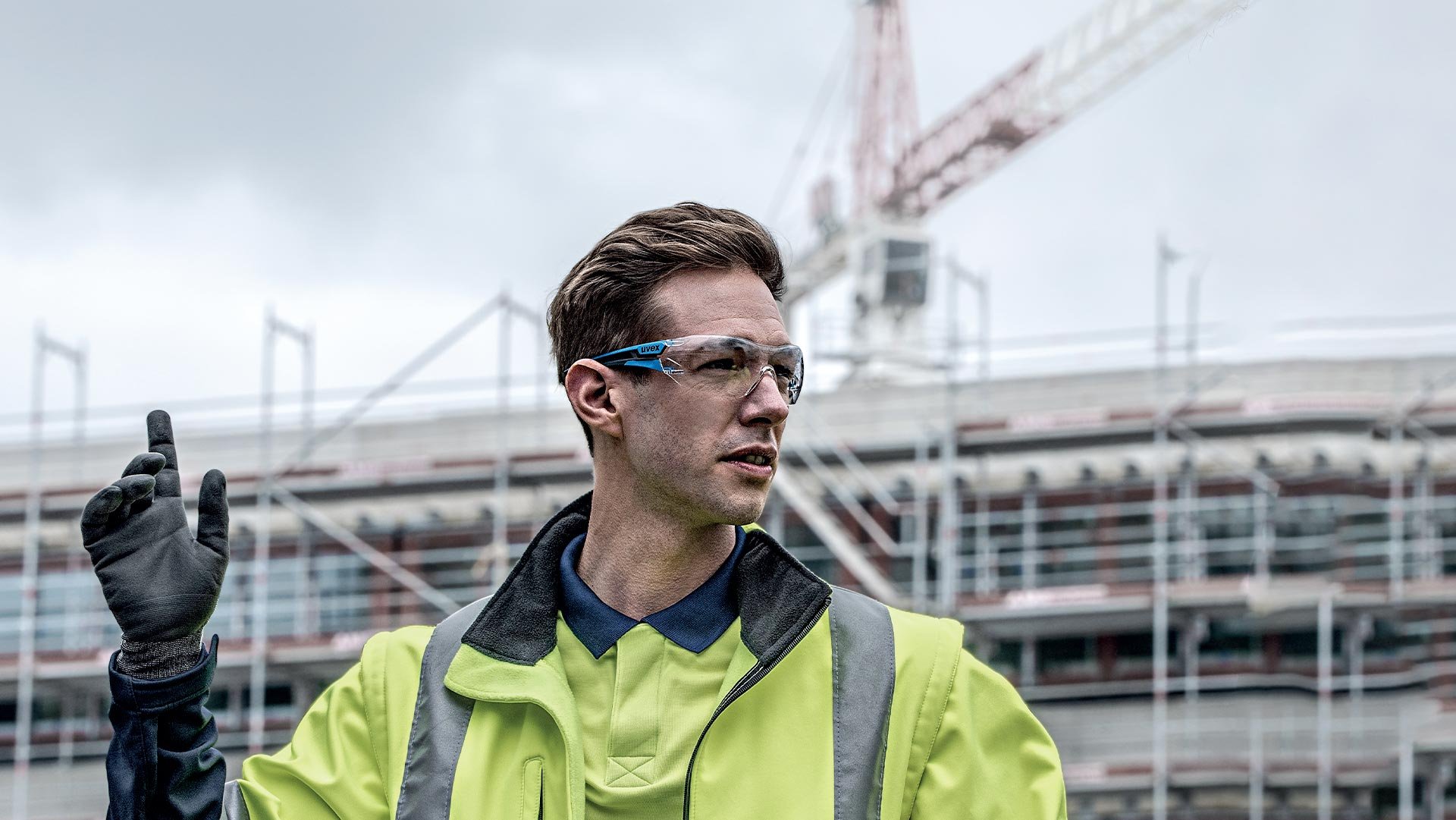
Why is a proper fit so important?
A secure and well-balanced fit ensures that safety eyewear can perform as intended. Gaps, slipping, or pressure points can all reduce effectiveness and wearer compliance. Key risks of poor fit include:
- Reduced protection – Gaps around the frame can allow dust, debris, or liquids to enter
- Increased movement – Glasses that slip or move can disrupt vision and protection
- Discomfort and fatigue – Tight pressure points can lead to headaches or irritation
- Lower wearer compliance – Uncomfortable PPE is more likely to be removed during tasks
Ultimately, properly fitted eyewear helps ensure protection is maintained at all times.
What makes safety eyewear fit properly?
A well-fitting pair of safety glasses should feel secure without causing discomfort. Several key factors contribute to achieving the right fit:
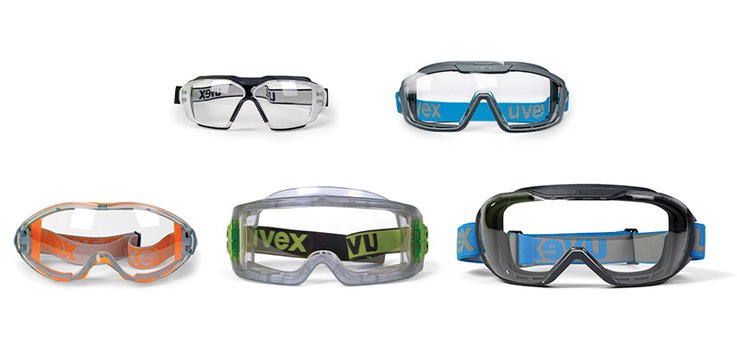
Frame size and coverage
The frame should:
- Sit close to the face without gaps
- Provide full coverage of the eye area
- Not touch eyelashes or restrict blinking
Different face shapes and sizes mean that a one-size-fits-all approach is rarely effective.
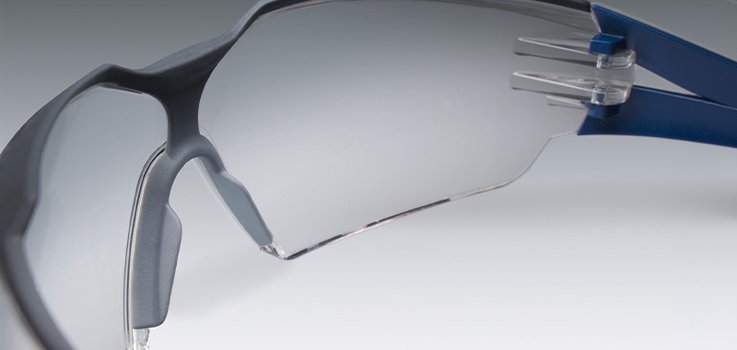
Nose bridge fit
The nose bridge plays a crucial role in comfort and stability:
- Should distribute weight evenly across the nose
- Must not pinch or create pressure points
- Should prevent the eyewear from sliding down
Adjustable nose pads can help achieve a more personalised fit.
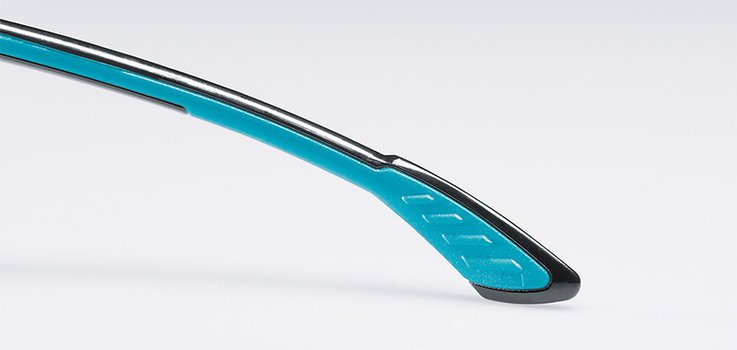
Temple length and grip
Side arms (temples) should:
- Sit comfortably over the ears without digging in
- Provide enough grip to keep glasses in place
- Avoid excessive pressure behind the ears
Flexible or soft temple ends can improve long-term comfort.
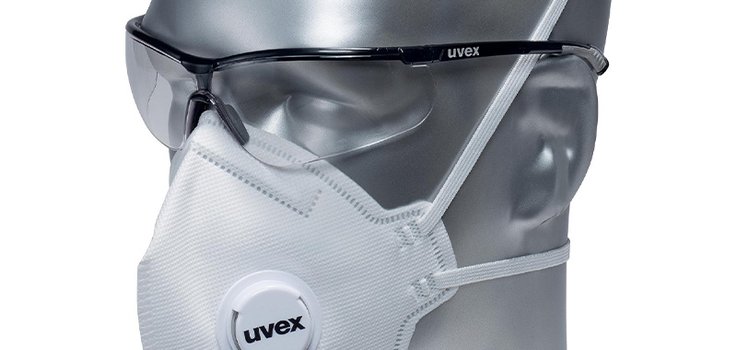
Compatibility with other PPE
Safety eyewear is often worn alongside other PPE, such as helmets or hearing protection. A proper fit ensures:
- No interference between PPE items
- A stable and consistent position on the face
- Continued comfort throughout the working day
Integrated solutions or compatible designs can help reduce pressure and improve usability.
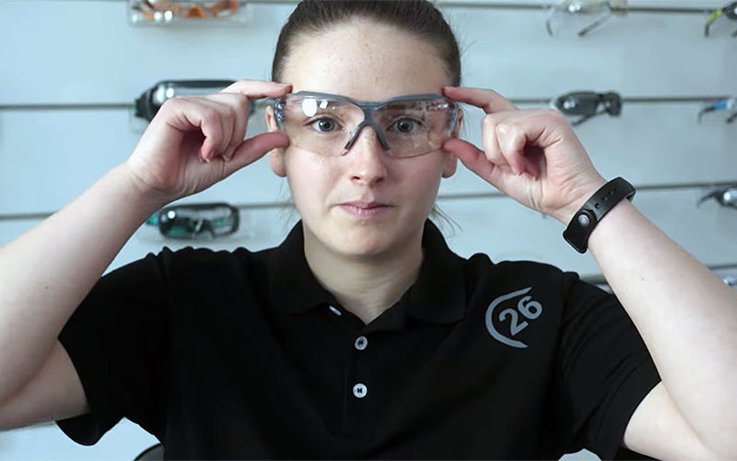
How to check the fit of safety eyewear
A simple fit check can help ensure optimal performance:
- Position – Glasses should sit securely on the nose without sliding
- Coverage – Ensure there are no large gaps around the eyes
- Comfort – No pinching, rubbing, or pressure points
- Stability – Glasses should stay in place when moving your head
If any of these factors are compromised, an alternative size or style may be required.
Supporting wearer compliance through comfort
Comfort plays a key role in encouraging consistent PPE usage. Lightweight materials, ergonomic designs, and soft contact points can all improve wearer acceptance. uvex safety eyewear is designed with:
- Ergonomic fits for different face shapes
- Lightweight materials for all-day wear
- Adjustable features for personalised comfort
By prioritising both protection and comfort, businesses can help ensure their workforce remains protected at all times.
Finding the right fit for your workforce
Every workforce is diverse, and PPE should reflect that. Offering a range of sizes, styles, and adjustable features helps ensure that everyone can find suitable eye protection. Taking a tailored approach to fit can help:
- Improve comfort and productivity
- Increase PPE compliance
- Reduce the risk of eye injuries
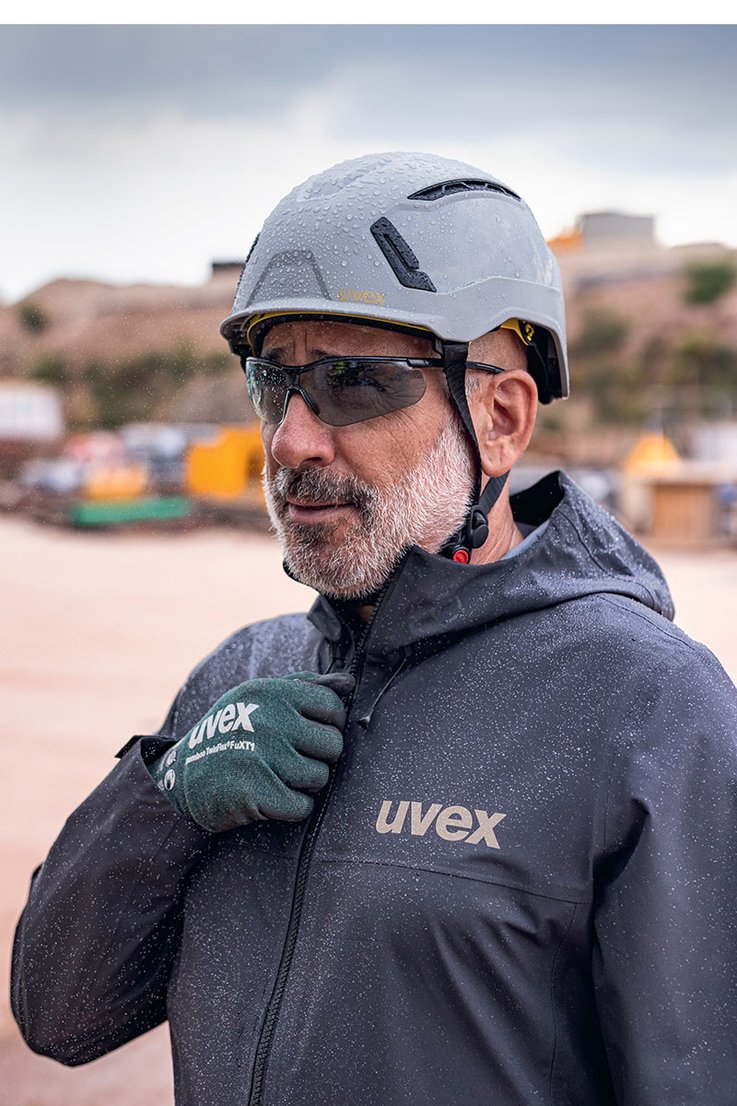
See how we have helped businesses overcome their safety eyewear challenges
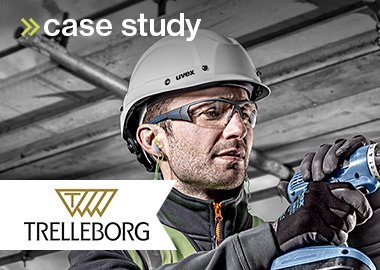
Trelleborg made safety eyewear mandatory after recognising the potential risk to staff and wanted eye protection that was comfortable, durable, looked good and offered value for money. After trialling a number of brands, uvex eyewear fitted the bill on all counts.
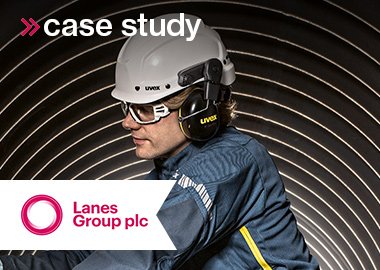
Lanes had been experiencing a high level of PPE wastage because the spectacles continually misted up and easily became scratched, as they did not have anti-mist or anti-scratch coatings. Now, uvex safety spectacles last 16x longer than the safety specs previously used.
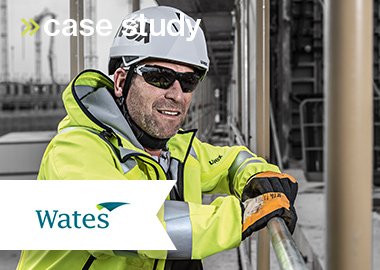
The Wates Group hoped that eye injuries would be a thing of the past after introducing a mandatory eye protection policy. In the five years that followed, 73 workers suffered eye injuries despite the policy, making it clear that just supplying the equipment was not enough.
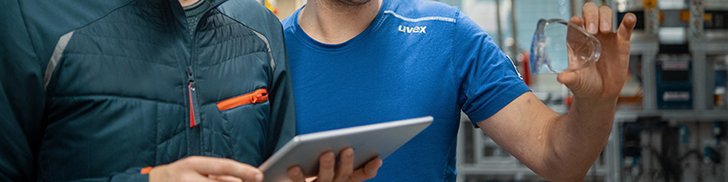
Looking for further guidance?
Choosing the right PPE can make all the difference when it comes to safety, comfort, and compliance. If you’d like tailored advice or want to trial uvex products in your environment, get in touch via our quick contact form or email marketing@uvex.co.uk.
FAQ's
Safety glasses should sit securely on your nose and ears without slipping or pinching. They should provide full coverage around the eyes with minimal gaps, while remaining comfortable enough to wear for extended periods.
Poorly fitting safety eyewear can reduce protection by allowing hazards to enter around the frame. It can also cause discomfort, leading workers to remove their PPE and increasing the risk of injury.
Yes, adjustable features such as nose pads and flexible temples can help create a more personalised fit. This improves comfort, stability, and overall wearer compliance.
The right size depends on the individual wearer. Consider face shape, head size, and compatibility with other PPE. Trying different styles and using fit checks is the best way to ensure a secure and comfortable fit.