
Head protection featuring Mips® technology

Advanced safety helmets designed to help reduce rotational motion

Head protection in the workplace needs to account for more than straight-on impacts. In real working environments, impacts often happen at an angle, whether from a falling object striking the helmet off-centre or from a slip, trip or fall where the helmet hits a surface obliquely. uvex safety helmets featuring Mips® technology are designed to help reduce rotational motion transferred to the head in certain angled impacts, while still delivering the comfort, fit and practicality expected from industrial head protection.

What is Mips®?

Mips® stands for Multi-directional Impact Protection System. It is a helmet safety technology developed to provide additional protection in certain impact situations by helping to reduce harmful rotational motion that might otherwise be transferred to the wearer’s head.

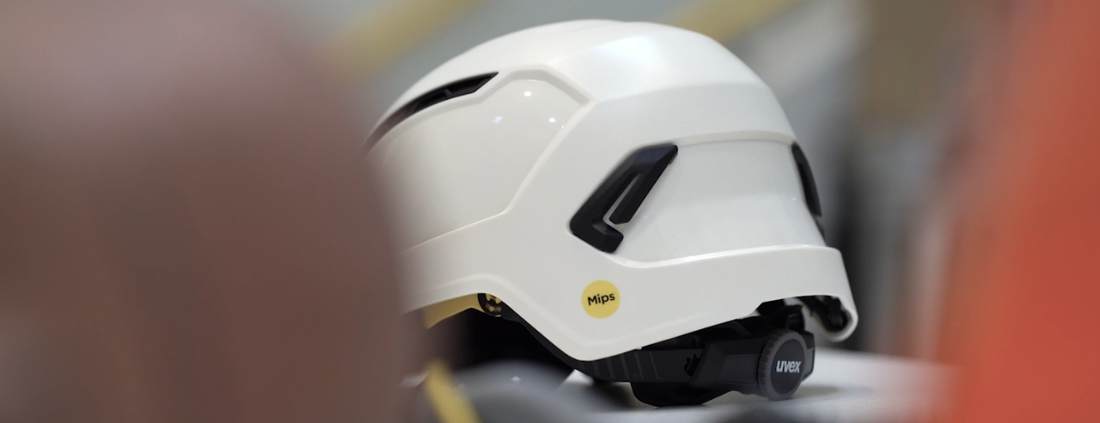
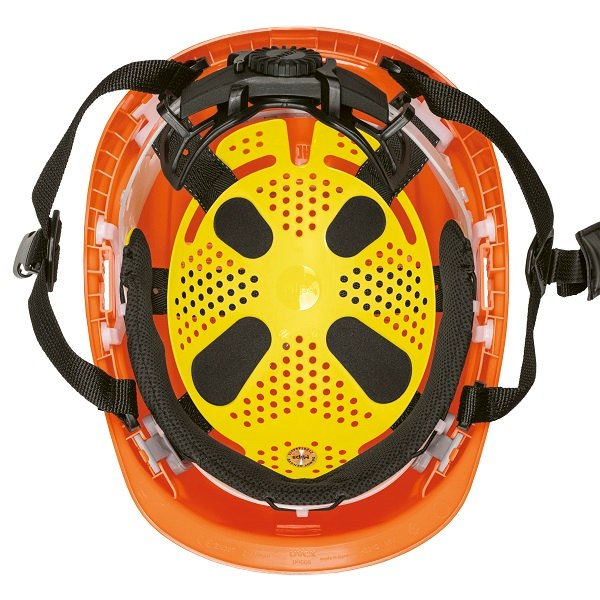
In practical terms, the Mips® system is an integrated low-friction layer inside the helmet, positioned close to the wearer’s head. In certain angled impacts, this layer is designed to move slightly relative to the helmet shell, helping to redirect rotational energy away from the head

Mips logo

Why rotational impact protection matters

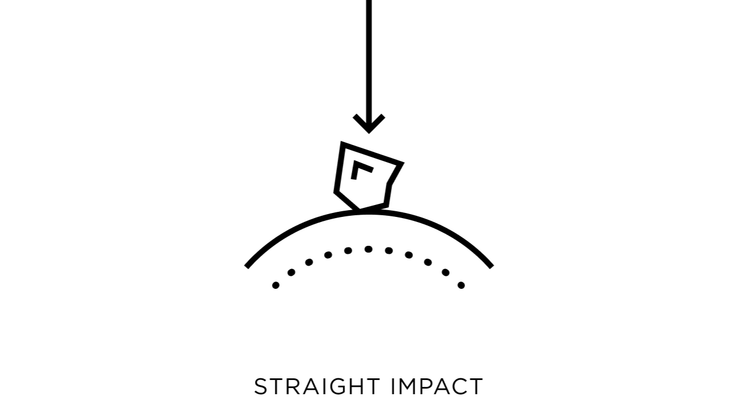
Conventional industrial safety helmets are designed and tested primarily for straight and relatively central impacts, in line with recognised standards such as EN 397. However, many real-world accidents do not happen in a perfectly vertical, central way. Impacts can occur laterally, off-centre or at an angle, creating rotational motion in addition to linear force.

Examples can include:

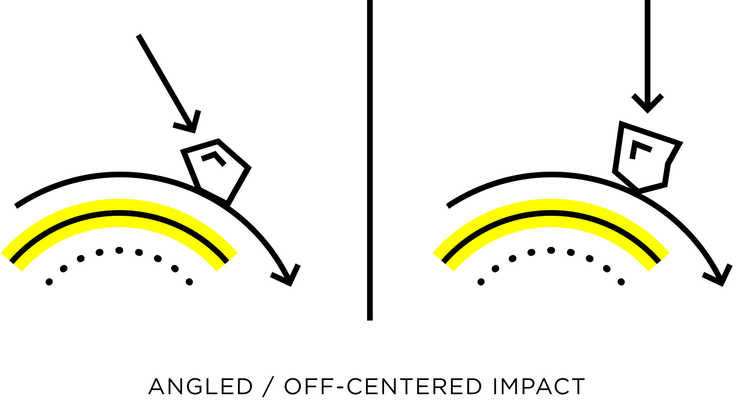
  • A falling object striking the helmet away from the centre line.
  • An object hitting the helmet on an angled trajectory.
  • A slip, trip or fall on uneven, muddy or slippery ground, where the helmet impacts a kerb, edge or surface at an angle.

These are the kinds of situations where rotational forces may occur, which is why additional protection against rotational motion can be valuable in demanding industrial and construction environments.

WATCH Video: How the system reduces rotational forces acting on the helmet

How Mips® technology works in a safety helmet

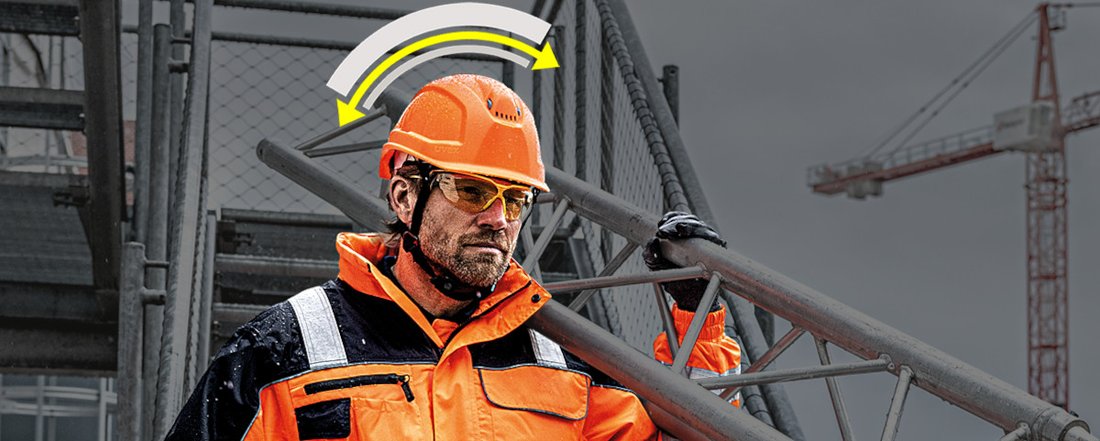
A helmet with Mips® technology includes an inner low-friction layer that is designed to move 10–15 mm relative to the head in certain angled impacts. This small amount of movement can help redirect rotational motion away from the head rather than allowing the full rotational force to be transferred directly to the wearer.

This means the Mips® system is not replacing the helmet’s normal protective function - it is complementing it. The helmet still provides the impact absorption expected from industrial head protection, while the Mips® layer is designed to add protection in certain oblique impact scenarios

The video explains how Mips can reduce acting forces

Why choose uvex safety helmets with Mips® technology?

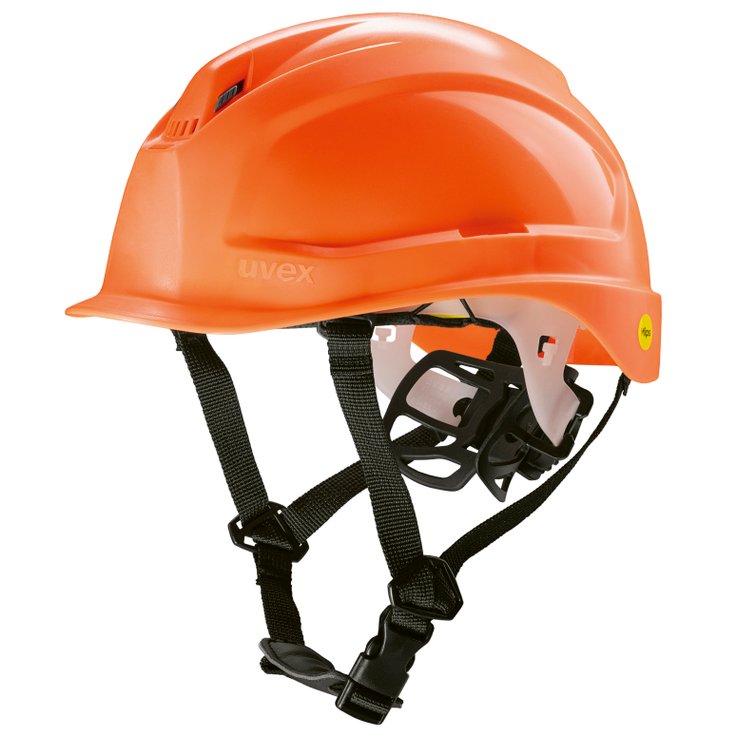
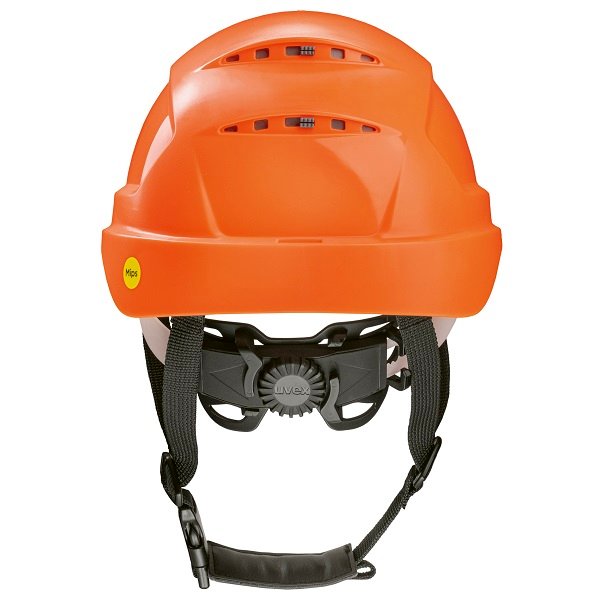
uvex combines advanced helmet design with wearer comfort, fit and compatibility for demanding industrial use. In addition to the benefits of Mips® technology, selected uvex helmets are designed with practical features such as adjustable suspension harnesses, ventilation, accessory compatibility and secure fit systems to support all-day use on site.

Depending on the model, uvex helmets with Mips® offers features such as:

  • Integrated Mips® brain protection system for industrial safety helmets.
  • Adjustable fit systems for a secure and comfortable fit.
  • Ventilation features to help support wearer comfort.
  • Compatibility with accessories such as ear defenders, visors, torches or goggles, depending on the helmet model.
  • Compliance with standards such as EN 397.
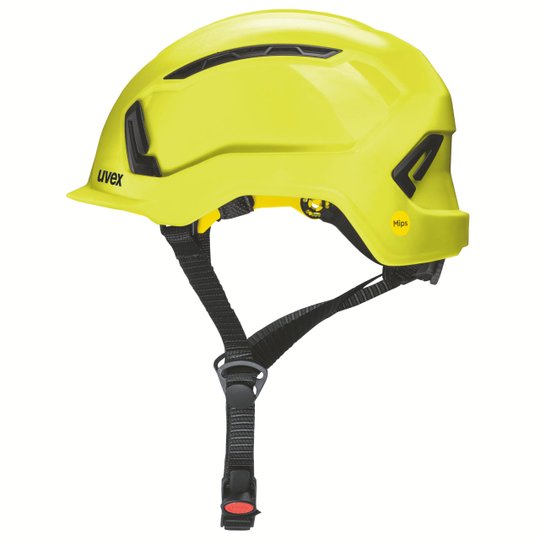
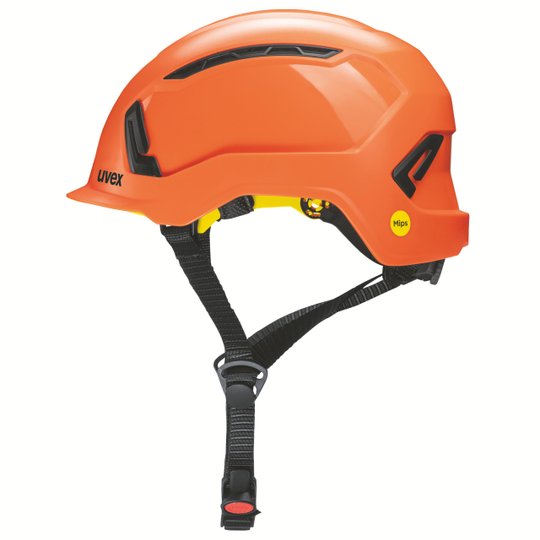
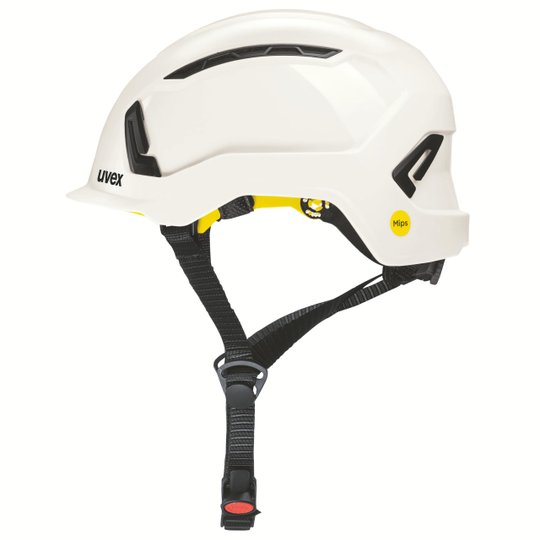
uvex pheos SKR Mips
safety helmets equipped with Mips
safety helmets with Mips from uvex

Comparison: safety helmets with and without Mips® technology

Feature
Standard safety helmet
Safety helmet with Mips®
Designed for straight and relatively central impactsYes. Conventional helmets are designed and tested for linear impacts.Yes. Mips® helmets still provide the impact protection expected from a conventional helmet.
Additional support for certain angled impactsLimited. An angled impact can create rotational motion that may be transferred to the head.Yes. The low-friction layer is designed to help reduce harmful rotational motion in certain angled impacts.
Internal movement designed to redirect rotational energyNo.Yes. The Mips® layer is designed to move 10–15 mm relative to the head in certain impact situations.
Suitable for industrial and construction applicationsYes, depending on model and certification.Yes, depending on model and certification. Mips® technology is available in construction and industry helmet categories.

Conventional helmets

  • Conventional helmets are designed and tested for straight and relatively central impacts, which clearly complies with standard EN 397. However, the reality is that in most cases, the impact is either lateral or has an oblique acting force, which results in a rotational impulse that can of course be transferred to the head.
  • Conventional helmets are excellent at absorbing the impact but to a large extent, they will pass on the rotational force.
Mips - straight impact

Safety helmets with Mips®

  • The Mips® system complements the impact absorption of a conventional helmet with its ability to also deflect rotational forces from the head.
  • If the helmet is struck at an angle or on the side, the low-friction layer ensures the outer shell absorbs most of the rotational force, while the inner shell receives significantly less - reducing the impact on the wearer.


Mips - angled impact
uvex setzt Mips in Schutzhelmen ein.

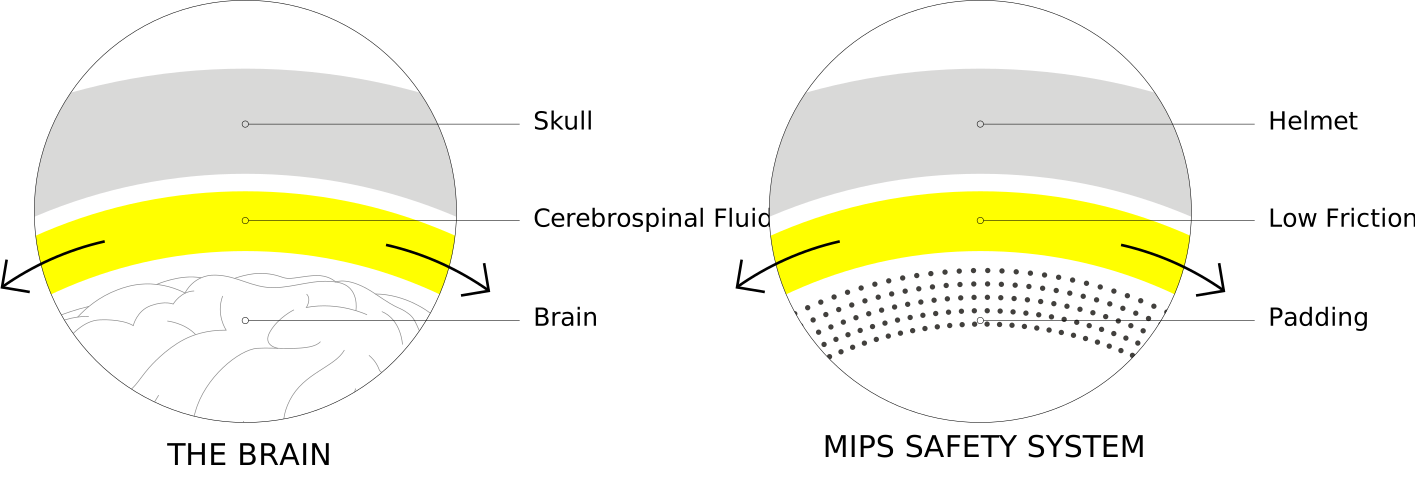
Safety system that mimics the brain

The brain typically reacts more sensitively to rotational movement than linear movements because it has a similar shear strength to water or gel. When rotational movement causes different parts of the brain to move in an offset way to each other, the tissue can be stretched, which causes concussion and other brain injuries.

Rotational movement is a common cause of concussion and more serious brain injuries from an oblique impact to the head. The Mips system consists of a low-friction layer that is fixed on the inside of the helmet. This low-friction layer is constructed in such a way that it slides slightly in the helmet in the event of an accident, so that forces can be directed away from the head. It should therefore help to reduce the risk of brain injuries.

Mips mimics the brain

Cerebrospinal fluid is our natural protective system that allows the brain to move in a way that is offset to the skull.


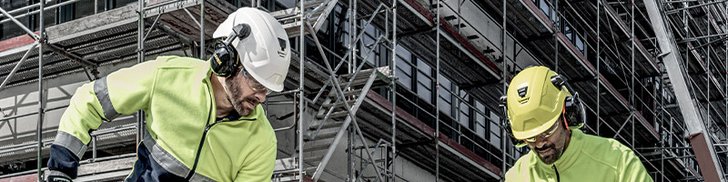
Built for real working environments

In construction, utilities, infrastructure, industrial maintenance and other high-risk sectors, accidents rarely happen in ideal test conditions.

Workers may be moving around uneven surfaces, working at height, navigating tight spaces or operating close to structures, tools and materials that introduce unpredictable impact angles.

uvex safety helmets featuring Mips® technology are designed to give wearers and safety managers an additional level of reassurance where angled impacts may be a concern.
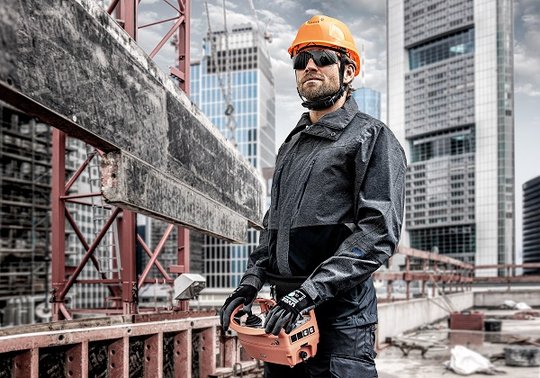
Mips: uvex pheos safety helmets

When you equip yourself and your team with innovative Mips® helmets, you provide a considerable level of extra safety by significantly reducing the risk of head and brain injury.

Buy Mips® helmets online

Got a question? We’re here to help

We collect, store and use your data solely to process your request. For more information, please see our Privacy policy.

* Please fill in the fields marked with an asterisk. The data is only used for answering your inquiry.
Contact the uvex team

Looking for further guidance?

Choosing the right PPE can make all the difference when it comes to safety, comfort, and compliance. If you’d like tailored advice or want to trial uvex products in your environment, get in touch via our quick contact form or email marketing@uvex.co.uk.

FAQ's

How does Mips® work in a helmet?

The system uses a low-friction layer inside the helmet that is designed to move slightly relative to the head in certain angled impacts. This movement can help redirect rotational energy away from the head.

Are Mips® helmets only for sports?

No. Mips® technology is used across multiple helmet categories, including construction and industry helmets as well as sports helmets.

Does a Mips® helmet still meet industrial safety requirements?

Yes, depending on the specific model. uvex Mips® helmets are available in industrial ranges that can meet standards such as EN 397, and some models can also meet additional requirements or multiple standards depending on their design. Always check the product page or declaration of conformity for the exact certification details.

What is the difference between a standard safety helmet and one with Mips®?

A standard helmet is primarily designed and tested for linear impact protection. A helmet with Mips® adds a low-friction layer designed to help reduce rotational motion in certain angled impacts, while still providing the expected protective performance of the helmet itself.